


Infrastructure
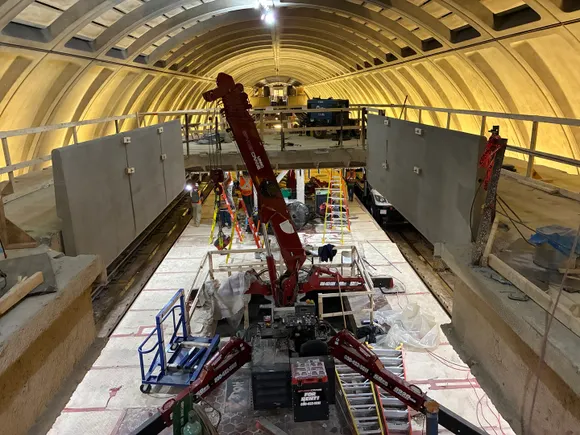
Clark Construction advanced structural upgrades for the Washington, D.C. Metro system within a 56-day sprint last summer, delivering work at the Bethesda and Grosvenor-Strathmore stations on time and on budget, according to an Oct. 29 news release. The project involved specialized demolition, track replacement, and a new mezzanine at Bethesda to connect with the future Purple Line. The contractor described the projects as 'a unique puzzle,' citing challenges such as outdated site plans, record summer heat, and space constraints that required just-in-time material deliveries and 24/7 work. The Grosvenor-Strathmore modernization is complete, while Bethesda work is slated for 2027 completion.

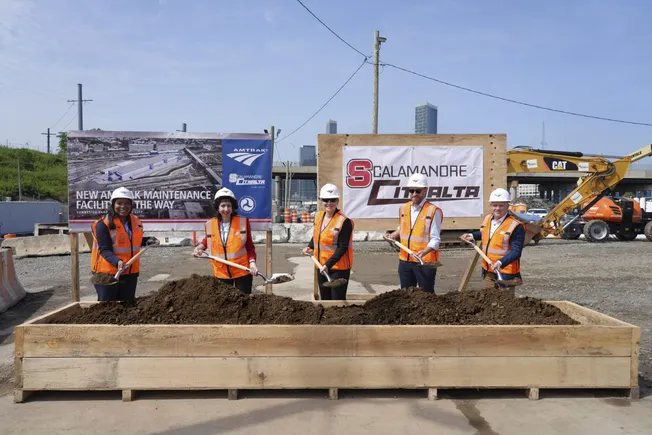
Amtrak announced on August 28 the start of a $1 billion maintenance facility construction project at Sunnyside Yard in Long Island City, New York. The project is funded by a federal grant from the Federal Railroad Administration through Congress and is expected to be completed by 2030. It will build a dual-track maintenance and inspection facility along with supporting service tracks to accommodate the new Airo train sets.
The US Federal Bureau of Investigation and the Department of Justice announced the dismantling of a cyberattack platform operated by the Chinese government-backed hacking group QTFY, which used tools such as QScan and QTRouter to conduct long-term espionage activities against multiple US government departments and critical infrastructure.
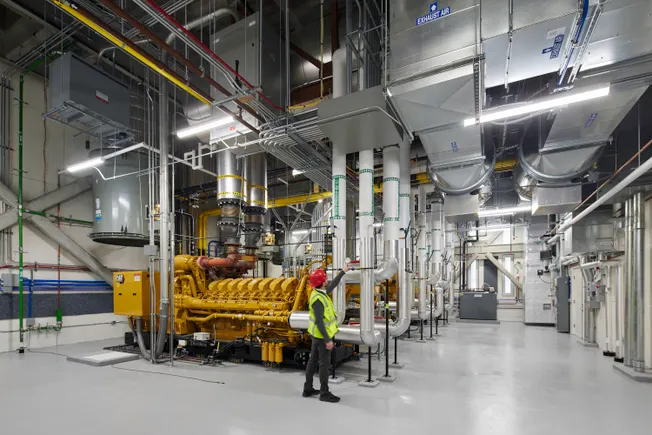
JE Dunn Construction announced on August 26 that it has added a power generation business unit under its Advanced Technology Group and promoted Ryan Wilson internally to vice president and market leader. Wilson joined the company in 2018 and previously served as a senior project manager, focusing on power, industrial, and manufacturing sectors. The new unit will focus on power generation project opportunities arising from AI infrastructure, manufacturing reshoring, and aging power grids, with the company having completed over 220 power generation projects to date.

The Texas Transportation Commission has approved the Texas Department of Transportation's 2027 Unified Transportation Plan, which invests $138 billion over the next decade in road and other infrastructure repairs. The funding pool includes $95 billion in projected existing state and federal revenues, and $43 billion for development and routine maintenance. Governor Greg Abbott stated in Thursday's announcement that this investment will strengthen roads, reduce congestion, enhance safety, and support community development.
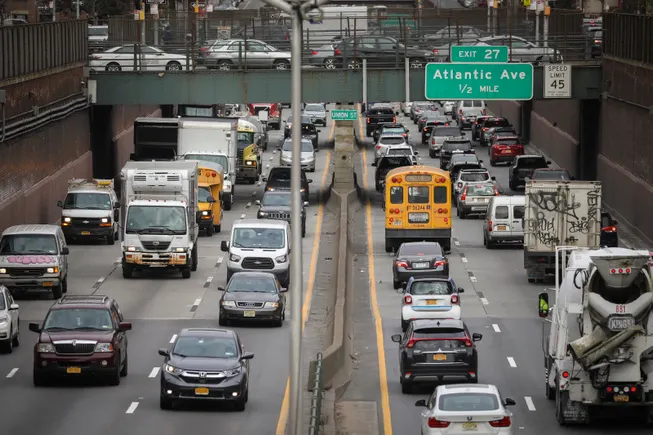
New York City announced it will invest $4 billion to repair the aging concrete and three cantilever structures of the central BQE section. The project is planned to start in 2030, with temporary detour structures set up during construction. Environmental review will begin this fall, and the environmental impact report is expected to be completed by summer 2028.
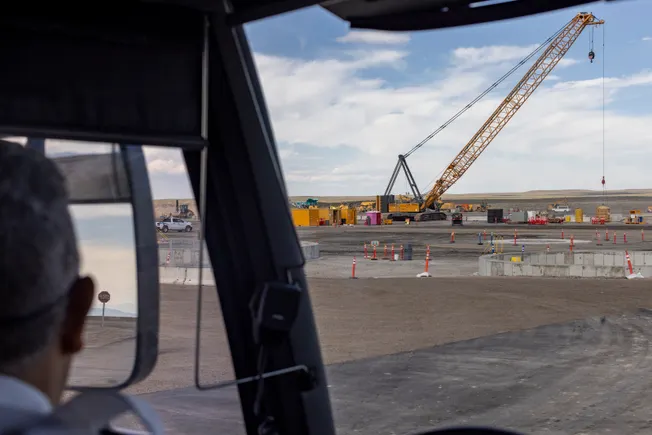
In an interview with Construction Dive, Mike Rinehart, president of Kiewit Nuclear Solutions, revealed that the company's nuclear revenue has doubled annually since 2022, with over 10 commercial nuclear projects and 12 Department of Energy projects under construction. He believes that electricity demand from tech companies and the federal government is driving a nuclear renaissance, and the company's nuclear business is expected to exceed $1 billion annually.
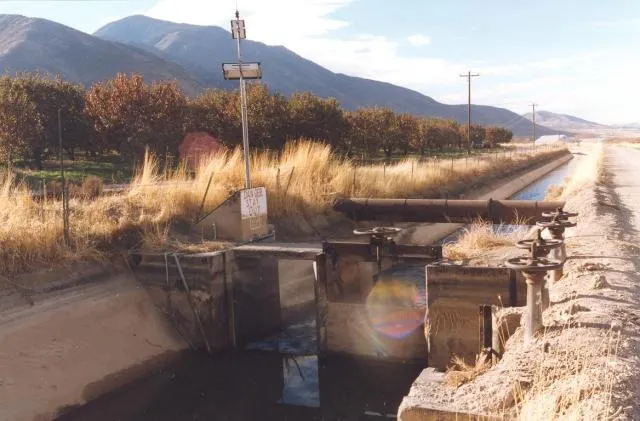
The Central Utah Water Conservancy District has selected a joint venture of Jacobs and Bowen Collins & Associates to provide engineering services for the Strawberry Highline Rehabilitation Project. The project, with a total investment of approximately $750 million, will convert the open channel built in 1916 into a modern pressurized pipeline system, along with supporting facilities such as pump stations. The project is pending final approval, and the U.S. Department of the Interior has allocated $100 million. If legal requirements such as environmental compliance are successfully completed, construction could begin as early as 2027 and the system could be operational by 2032.
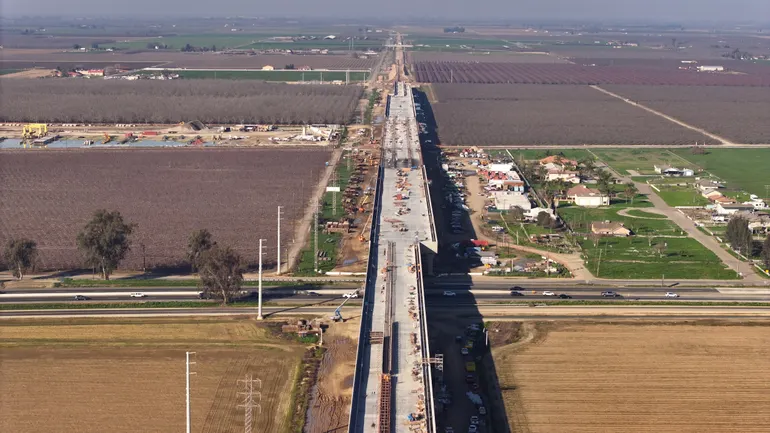
A July 31 report by the California High-Speed Rail Authority's Inspector General warned that if borrowing against the anticipated $1 billion per year cap-and-trade funds through 2046 is not possible, project funds could be exhausted by December 2027. The report highlighted issues with the Authority's optimistic assumptions and cost estimates, and mentioned challenges such as terminated federal funding and higher private financing costs.