


Economy

Private nonresidential construction spending increased 1.1% month over month in September, according to the U.S. Census Bureau. Data center construction surged 8.6% and accounted for virtually all of the increase, per Associated Builders and Contractors analysis. Anirban Basu, ABC chief economist, noted that excluding data centers and power, spending actually fell. Over the past year, data center spending soared 90%, while all other private nonresidential categories combined declined 7.8%, according to AGC. Ken Simonson of AGC warned that surging data center and power demand is masking cutbacks elsewhere and straining supply chains amid tariffs and conflicts. Basu expects AI-related projects to sustain momentum.
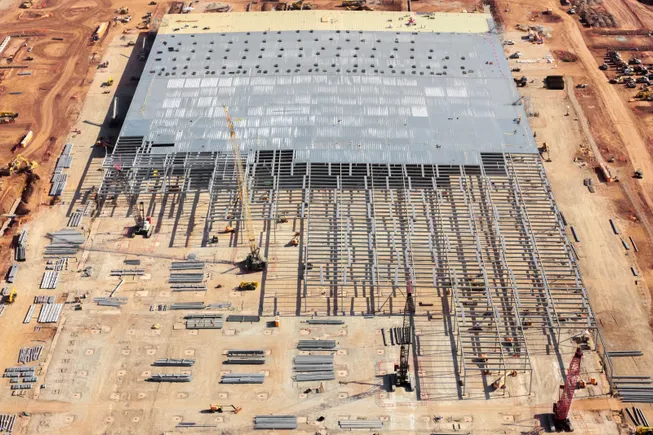
7月美国建筑支出数据出炉:总支出环比下滑0.5%,非住宅支出增长全靠数据中心支撑,剔除后已连续两月下降。经济学家指出,电力、公路等项目虽仍增长,但均面临政策与市场不确定性。

In a speech on Friday, Federal Reserve Chairman Kevin Walsh pledged to bring inflation down to the 2% target and noted that current financial conditions are not restrictive, hinting that future rate hikes may be needed. Market expectations for a September rate hike have risen sharply, but EY Chief Economist Gregory Daco believes traders are overreacting and expects the Fed to keep rates unchanged for the rest of the year.

The U.S. core PCE price index rose 0.2% month-over-month and 3.3% year-over-year in July, with inflation holding steady. Fed officials are divided on whether to raise rates, but market expectations for holding rates steady in September have increased. Consumer confidence has declined for two consecutive months, personal consumption spending growth has slowed, and the cooling economy supports the central bank's wait-and-see stance.

Canada has fulfilled its promise by imposing retaliatory tariffs ranging from 15% to 50% on a range of U.S. goods starting September 8, covering steel, dairy products, home appliances, agricultural equipment, electronics, seafood, and pulp and paper. The Canadian Finance Ministry adjusted the list on Wednesday, removing seafood and fish products. Meanwhile, the Canadian government announced a CAD 7.5 billion support plan to help affected workers and businesses.

U.S. President Trump signed a proclamation on Thursday imposing 100% tariffs on certain drone systems and their components, citing that these products pose a national security threat to the United States. The new tariffs take effect on September 3 and apply to drones with a maximum takeoff weight exceeding 55 pounds and systems with thermal imaging capabilities. Other smaller drones and non-defense components will be subject to a 25% tariff. Drones from U.S. allies such as EU member states, Japan, Liechtenstein, South Korea, Switzerland, and Taiwan will be subject to a 15% rate, while UK-made drone systems will be taxed at 10% when meeting specific origin conditions.

U.S. construction input costs rose 7.4% year-over-year in July, with only a slight 0.1% month-over-month increase, mainly due to lower energy prices. However, economists warn that cost pressures will intensify in the future as fuel and some material prices rebound.

The U.S. civilian labor force participation rate for those aged 55 and over dropped to 36.9% last month from 38.1% in the same period last year. RSM US Chief Economist Joe Brusuelas stated that this 'historic' labor market contraction strengthens the business case for companies to adopt AI. He expects that as baby boomers retire and immigration policies tighten, the U.S. labor supply will continue to shrink, keeping demand for AI investment strong.

The Dodge Momentum Index showed that construction planning momentum increased 6.9% month-over-month in July, with data center projects standing out and offsetting slowdowns in other commercial categories. Institutional planning surged 13.1% month-over-month, with significant contributions from education and public buildings. Year-over-year, the overall index rose 11.7%, but excluding data centers, commercial planning fell 16.2% year-over-year.
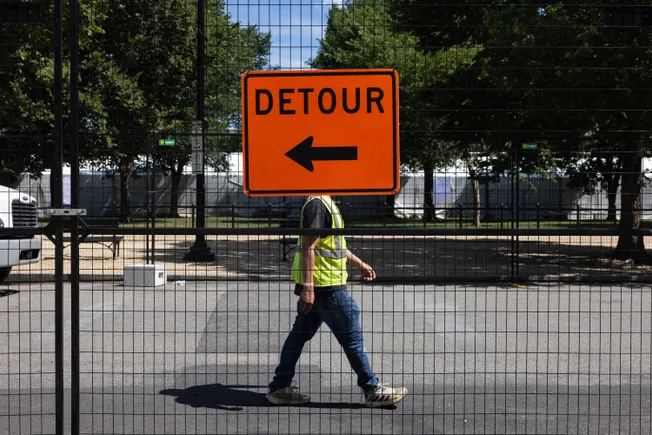
Construction job openings rose 36% year-over-year to 305,000 in June, but the hiring rate declined, indicating contractors face difficulties filling specific positions. Experts attribute this to skill mismatches, a wave of retirements, and tightened immigration policies.