


Latest news
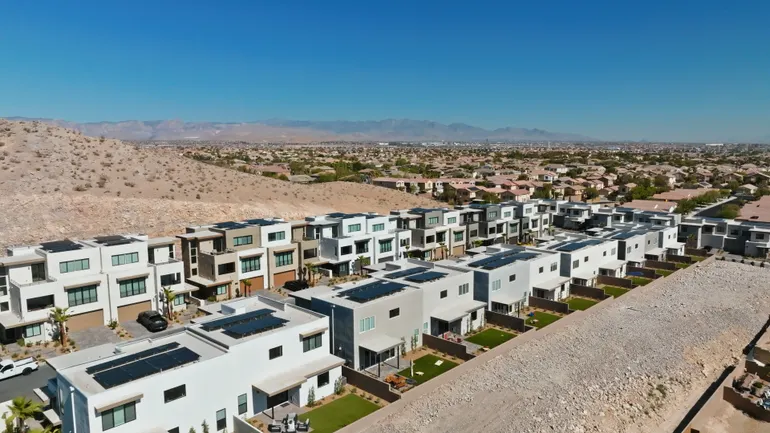
Tesla has filed documents with Texas, planning to invest $10.1 billion to build a solar cell manufacturing plant in Fort Bend County, named "Project Crystal Sun," which will produce photovoltaic cells and assemble solar modules, expected to create 9,712 full-time jobs, and seeking state tax incentives.

On July 28, a federal court in Texas ruled that race-based provisions in the minority and small business contracting programs of the City of Houston and the Midtown Management District are unconstitutional and permanently enjoined their enforcement. The ruling, based on the Supreme Court's 2023 logic in education affirmative action cases, may trigger more challenges to state and local MWBE programs. Meanwhile, federal DBE programs have eliminated race and gender presumptions through an interim final rule, while states such as New York and Illinois are still expanding or maintaining their own MWBE programs. Contractors face conflicting compliance requirements in mixed-funding projects and need to adopt prudent strategies.

The Missouri legislature passed Bill HR 2474 in May, which was signed into law by Governor Mike Kehoe on July 13, lowering the threshold for progressive design-build (PDB) from $7 million to $2.5 million and opening it to all state agencies. This model emphasizes early collaboration, but lawyers remind contractors to clarify key terms such as design responsibility, cost transparency, and performance guarantees.
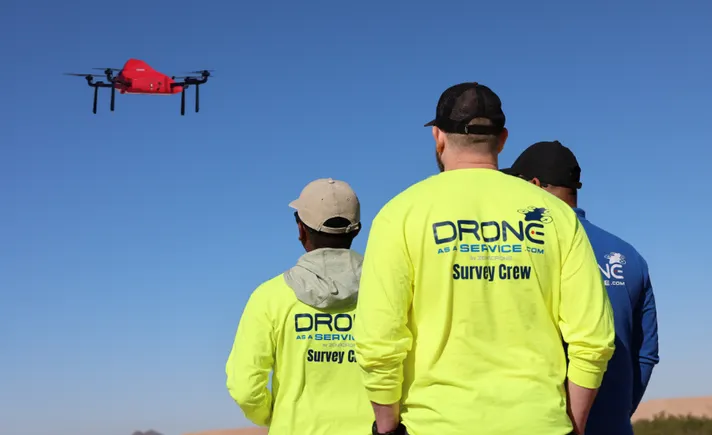
The growth of the U.S. construction industry is accompanied by labor shortages and profit pressure, and on-site monitoring still largely depends on manual inspections or low-frequency measurements, creating information blind spots. Drone technology can accelerate data collection and enhance safety, but building an in-house fleet requires investment in hardware, training, and compliance costs. Drone as a Service offers end-to-end aerial surveying subscription services, transforming site conditions into decision-making data, helping to detect errors early, reduce personnel exposure risks, and unify information sources for all parties.

Field forms have long ceased to be mere compliance documents; they are now key data sources that record the actual work process. A new guide from GoFormz points out that N/A entries and anomaly records in forms often hide risk signals that deserve the most attention from management, yet most companies still process this information with a delay of 3 to 5 days.
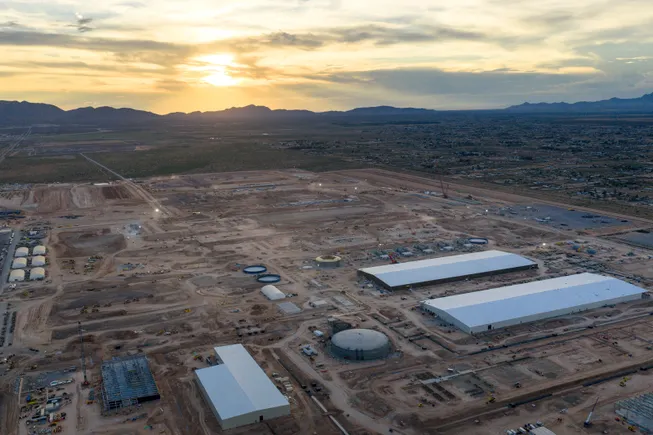
The latest report from Dodge Construction Network reveals that total U.S. new construction starts in July recovered 25.6% month-over-month, reaching a seasonally adjusted annualized rate of $1.79 trillion, largely fueled by the concentrated commencement of large projects such as data centers and semiconductor plants. However, Chief Economist Eric Gaus noted that the market exhibits a "fragmented" pattern: sectors like healthcare and hotels saw significant declines, while utilities and non-residential buildings performed strongly. Year-to-date, cumulative starts in non-residential and non-building sectors remain significantly higher than the same period last year.

Turner Construction disclosed a data breach affecting at least 6,098 individuals, with leaked information including Social Security numbers, salaries, and bank accounts. The ransomware group Payouts King claimed responsibility for the attack and stated it obtained 27.2 TB of data. The company has offered identity protection services, and multiple law firms have launched investigations.
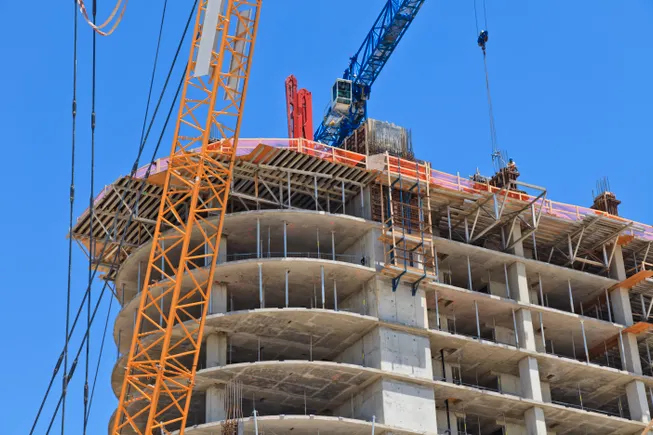
According to Lodging Econometrics' Q2 2026 U.S. Construction Pipeline Trend Report, the global hotel construction pipeline reached a record 15,976 projects, approximately 2.4 million guestrooms. The U.S. accounts for 37% of the global project total, followed by China. Brand conversion pipelines and the luxury, upper upscale, and upscale segments all hit historic highs.
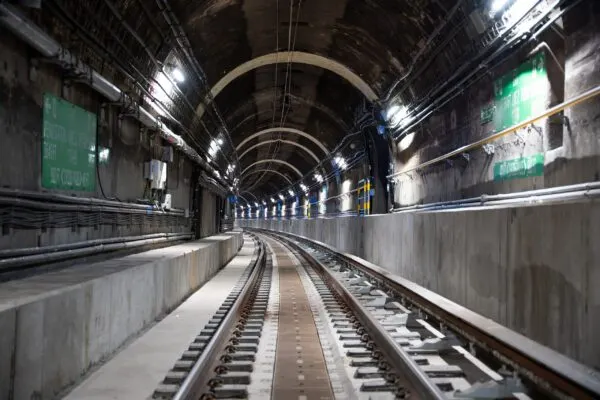
This week's construction industry updates: Skanska wins $1.2 billion contract to build four data centers; Amtrak completes first phase of East River tunnel repair and resumes service; Auburn University partners with Air Force to develop modular timber barracks; multiple companies announce executive personnel changes.

Construction technology company Gravis Robotics announced on Monday that it has secured a $200 million Series A funding round from global investment firm SoftBank. Founded in 2022 as a spin-off from ETH Zurich, a Swiss public university, the company's proprietary retrofit technology transforms heavy machinery on construction sites into autonomous robots. This funding round represents a significant investment in the construction technology sector and indicates that major institutional investors are focusing on the physical AI track.