


Latest news
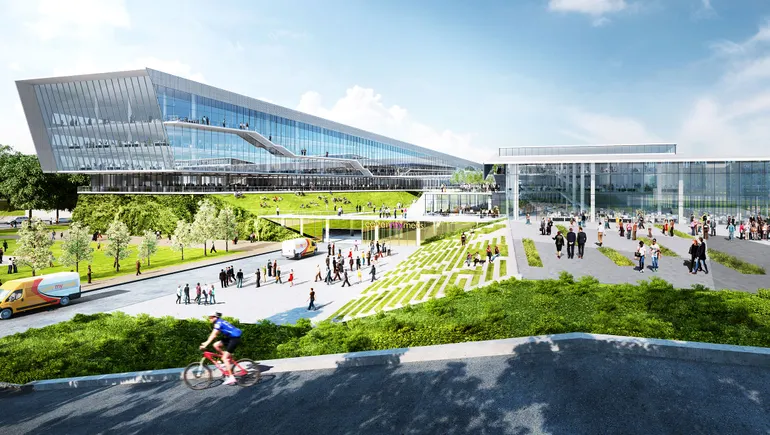
The pandemic has hit the non-residential construction market hard, with significant declines in spending in the hospitality, office, and retail sectors. However, some owners and developers, leveraging long-term investment perspectives and financial strength, are still proceeding with projects as planned. This article lists six representative projects that continue construction in difficult sectors, covering hotels, office buildings, mixed-use developments, and retail complexes.

Five Key Questions Employers Must Carefully Answer Before Implementing COVID-19 Vaccination Policies
On December 16, 2021, the U.S. Equal Employment Opportunity Commission (EEOC) issued guidance clarifying that employers may require employees to provide proof of COVID-19 vaccination without violating anti-discrimination laws such as the Americans with Disabilities Act. However, this guidance does not fully approve mandatory vaccination and leaves many unresolved questions. This article outlines five key questions employers must answer before adopting vaccine policies, covering exemption exceptions, vaccine mandate stages, paid leave and incentives, employee refusal to vaccinate, and future policy evolution.
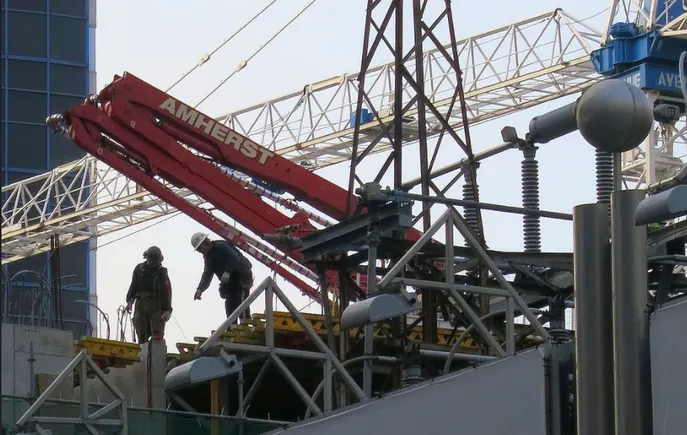
The construction industry was hit hard in 2020, but many economists and industry leaders are optimistic about 2021. Based on interviews with experts including Anirban Basu, Chief Economist at ABC, Tom Stringer, Managing Director at BDO, and Michelle Meisels, Head of Engineering and Construction at Deloitte, this article outlines six trends that will influence the direction of the industry in the new year: the survival crisis of subcontractors, the normalization of epidemic prevention on construction sites, building a workforce for demand rebound, the infrastructure investment agenda, the recovery of office and manufacturing warehouse projects, and the strategic upgrade of environmental sustainability.

As the end of 2020 approaches, construction contractors need to complete year-end financial closing and tax planning amid the pandemic's impact. Experts point out that accounting method choices, potential tax reforms under the Biden administration, tax treatment of the CARES Act and PPP loans, and the research and development tax credit all affect corporate tax burdens. This article integrates advice from multiple accountants, emphasizing the central role of cash reserves in decision-making.
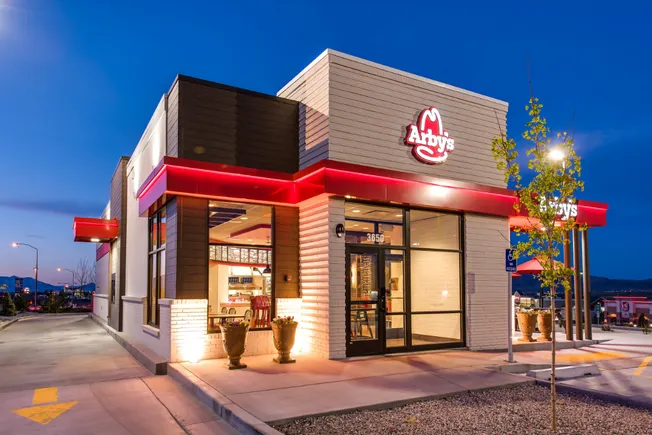
The pandemic has prompted fast food brands such as Arby's, McDonald's, and KFC to redesign their drive-thru lanes, enhancing efficiency and accuracy by adding more lanes, introducing digital menus, and adopting AI technology. Industry surveys show that 38% of franchisees have already added drive-thru capabilities, while multiple brands plan to launch new store models that reduce dine-in options.
As COVID-19 cases surge across the country, construction contractors are preparing for a potential new round of work stoppage orders. Industry executives and economists warn that winter construction may face more uncertainty.

With a surge in COVID-19 cases in the United States, the construction industry faces a new round of shutdown risks. Contractors and experts recommend seven preparatory measures, including accelerating current work, improving documentation, winterizing sites, keeping workers engaged, securing owner support, utilizing downtime to optimize projects, and preparing for the resumption boom.
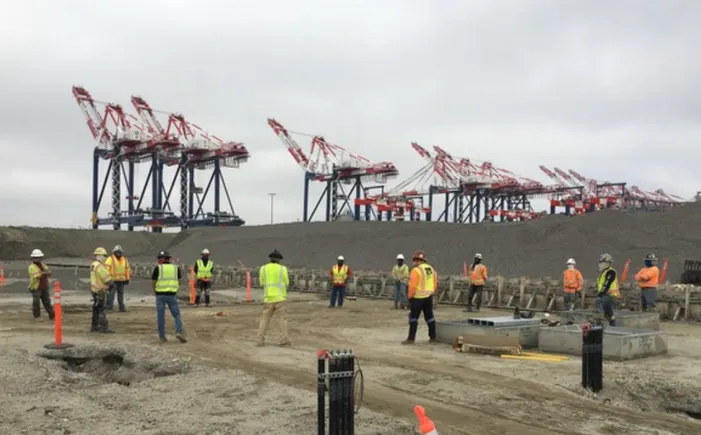
The effectiveness of COVID-19 prevention and control in the U.S. construction industry during the pandemic has been called into question. Although the industry generally believes that on-site epidemic prevention measures are effective, multiple studies and local public health data show that the construction industry ranks among the top in the number of outbreaks in several states, with workers facing significantly higher hospitalization risks than other industries. The lack of a national data tracking system makes it difficult to assess the true infection situation in the industry.
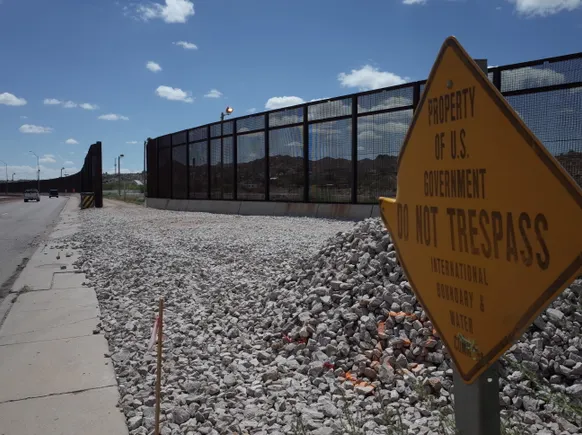
As the US election approaches, if Biden wins and fulfills his promise to stop border wall construction, will contractors who participated in the federal project still face obstacles in state and local public works bidding due to political stances? This article combines city bans, industry organization protests, and legal expert perspectives to analyze the legal boundaries of 'blacklist' policies and practical paths for contractors to repair their reputations.
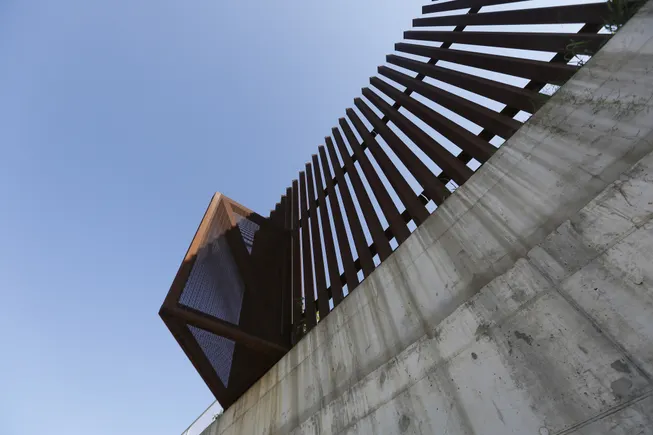
If Joe Biden is elected president and fulfills his promise to 'not build another foot of wall,' contractors and subcontractors on the U.S.-Mexico border wall will face a complex situation of contract termination. Based on legal expert analysis, this article interprets the compensation process under 'termination for convenience' clauses, subcontractor risks, and uncertainties about where funds will go.