


Latest news
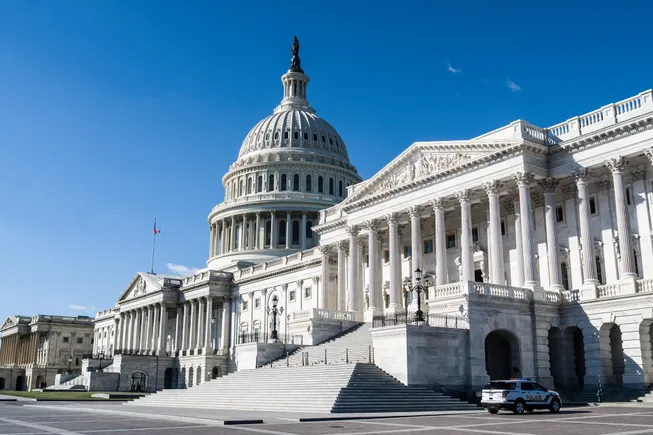
The tax debate surrounding the Biden administration's infrastructure and social spending plans has largely focused on the effective tax burden of large corporations. However, 84% of U.S. nonresidential construction firms are pass-through entities, whose profits are taxed at individual income tax rates. While the bipartisan $1.2 trillion infrastructure agreement does not touch corporate tax rates, the subsequent $3.5 trillion proposal could raise the top individual tax rate to 39.6% and phase out the 20% qualified business income deduction for high-income earners, significantly impacting the effective tax burden of most contractors.
According to Construction Dive's analysis, in 2020, the 19 largest profitable construction companies had an average effective federal tax rate of only 16.8%, below the statutory rate of 21%. This article explores five main legal tax reduction strategies these companies employ, including asset depreciation, stock compensation, research and development tax credits, loss carryforwards, and the 179D energy-efficient deduction.


Although contractors are optimistic about project recovery in the second half of 2021, soaring material prices and supply chain delays have forced many projects to scale back. Industry economists expect the non-residential construction market to see significant growth only by 2022. Contractors are adopting technologies to track materials and adjusting construction sequences to mitigate impacts.
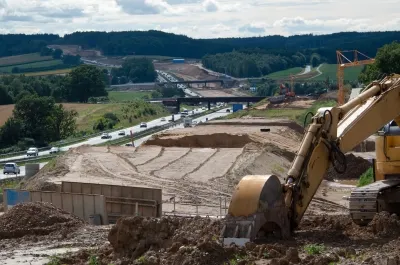
The Biden administration recently proposed a $2.3 trillion infrastructure plan and a $1.52 trillion discretionary spending proposal for fiscal year 2022, creating numerous public project opportunities for contractors. However, bidding on public projects differs significantly from private projects, and contractors need to understand key aspects such as qualification applications, contract language, construction control, bid transparency, bonding requirements, and compliance obligations in advance. This article synthesizes insights from multiple legal and industry experts to provide practical guidance for contractors looking to enter the public sector.
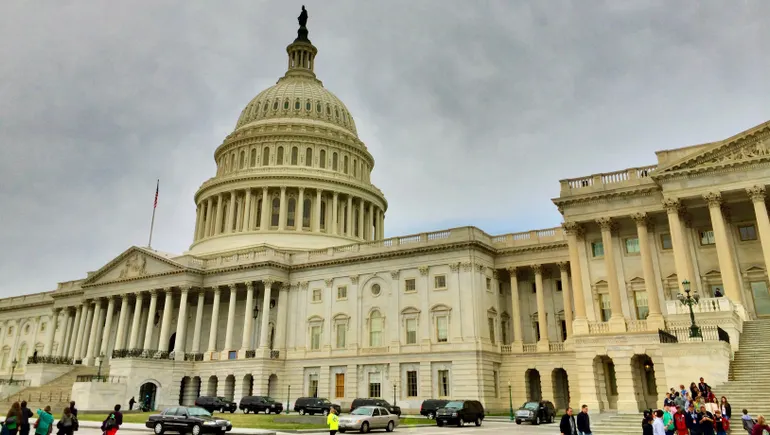
After passing the House of Representatives, the Protecting the Right to Organize Act (PRO Act) faces severe challenges in the Senate. Despite Senate Democratic Leader Schumer's efforts to seek support, the bill may be stalled due to Republican filibusters. This article outlines the bill's core content, key lawmakers' positions, lobbying actions by unions and employer groups, and possible legislative paths.

Despite contractors' high expectations for a recovery in 2021, record increases in material costs, longer delivery times, and tighter financing conditions are prompting some owners and developers to postpone or reassess projects. Industry data shows that construction input prices have risen at their fastest year-over-year pace in 35 years, while bid prices have only increased slightly by 0.5%, severely squeezing profit margins.
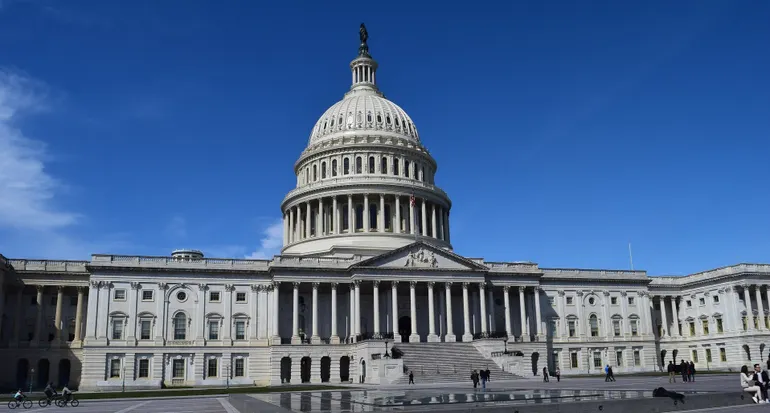
Democratic lawmakers reintroduced the Protecting the Right to Organize Act (PRO Act) on Thursday, a bill aimed at amending the National Labor Relations Act to redefine employers and employees, grant more rights to independent contractors, and potentially alter how unions negotiate with employers. Given the construction industry's unique multi-contractor and multi-subcontractor employment model, if the bill passes, general contractors may bear greater responsibility for all workers on site. Union organizations generally support the bill, while employer groups such as the Associated General Contractors of America (AGC) and the Associated Builders and Contractors (ABC) strongly oppose it. The bill faces Republican obstruction in the Senate, leaving its prospects uncertain, but some provisions could be enacted through other legislation or executive orders.

The United States has entered the mass vaccination phase for COVID-19, and the physical threat of the pandemic may recede, but the construction industry will continue to respond to the pandemic through design for years to come. This article outlines design trends and contractor response points for three major space types: offices, hotels, and multi-family residential.