


Latest news

This article provides an in-depth analysis of the structural flaws of password and identity authentication mechanisms in cybersecurity. Through interviews with multiple CISOs and security experts, it reveals core issues such as credential proliferation, identity abuse, and complex permission management, and explores the challenges and possible paths toward a passwordless future.

Israel is the world's third most active country for startups, and its construction technology sector benefits from tight community networks, government funding, and talent cultivated through military training. However, the local construction market is conservative and limited in scale, often forcing companies to expand overseas while balancing funding from innovation authorities and overseas R&D.
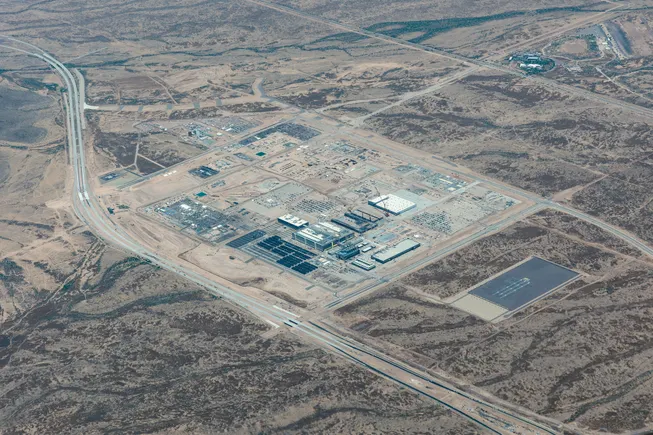
Chip giant TSMC's $40 billion plant in Arizona has been delayed to 2025 due to a lack of skilled workers. Nationwide, the concentration of large manufacturing projects has led to a severe shortage of construction labor, with the industry responding through wage increases, improved benefits, and calls for immigration reform.
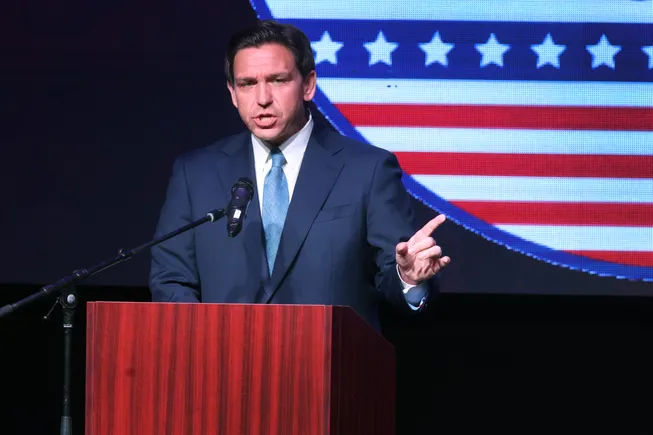
Florida Governor Ron DeSantis signed SB 1718, requiring private businesses with more than 25 employees to use the E-Verify system, shaking the construction industry. According to local experts, immigrants without legal work authorization have begun fleeing the state due to fear of deportation, with some construction sites experiencing work stoppages. The bill takes effect on July 1, with violators facing a $1,000 fine per day.

Amid a persistent labor shortage in the construction industry, AI and robotics are being re-evaluated—are they a threat to jobs or the key to solving the manpower crisis? Henning Roedel, robotics lead at DPR Construction, points out that the industry's problem is not layoffs but a lack of workers. Through technologies such as AI-assisted drilling and computer vision, companies have achieved productivity gains of 6 to 8 times. Experts predict that AI will replace 85 million jobs globally over the next two years, yet demand for construction labor remains low. Meanwhile, legal experts caution that AI applications require vigilance against employment discrimination risks, and the complexity of industry terminology may also become an obstacle to technology implementation.
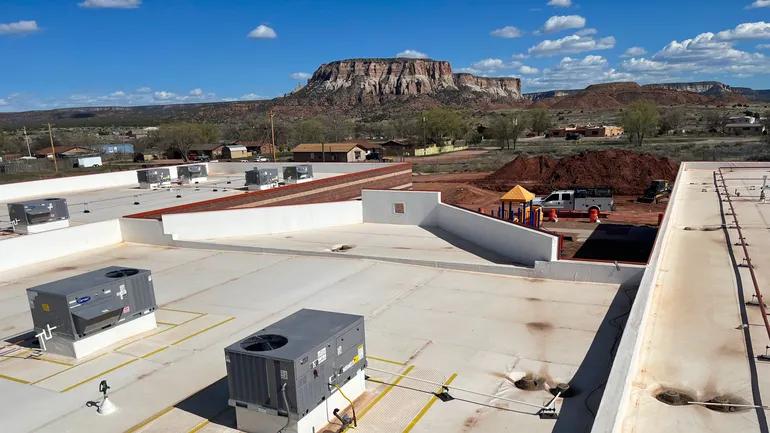
Shiwi Ts'ana Elementary School in Zuni, New Mexico, plans to begin construction on a $1.2 million outdoor learning space this summer, reflecting a broader trend of school districts nationwide using federal pandemic relief funds for facility upgrades. Although funds were approved in 2020-2021, project planning and execution have taken considerable time and face obstacles such as supply chain and labor shortages. The obligation deadline for ESSER III funds is September 30, 2024, and the expenditure deadline is January 28, 2025, prompting districts to accelerate their projects.
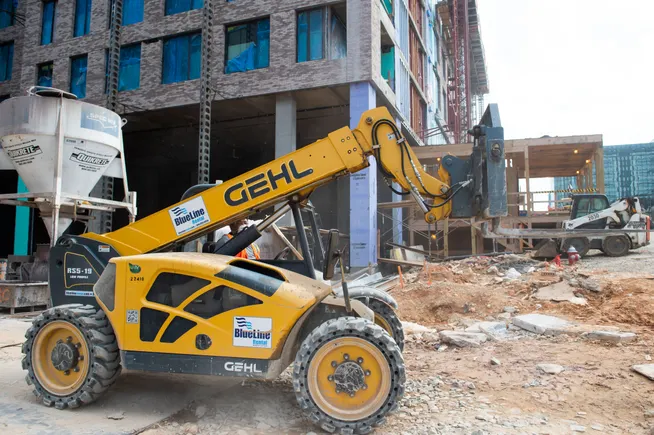
Industry insiders point out that rising interest rates and banking turmoil are driving up construction financing costs, leading to project delays or cutbacks, with construction activity expected to slow in the coming months.
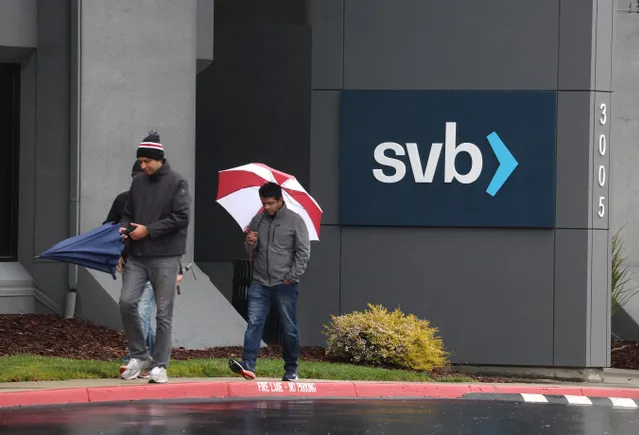
The failures of institutions such as Silicon Valley Bank and Signature Bank have not only impacted the commercial and real estate lending sectors but also triggered ripple effects on the multifamily housing industry. Based on insights from multiple industry executives, this article analyzes four major impacts: tightening regional bank credit, hindered financing for development projects, increased CMBS market volatility, and unclear interest rate direction, and points out that the industry is shifting from aggressive financing back to traditional prudence.
Following the collapse of Silicon Valley Bank, the technology startup ecosystem faces risks of short-term funding disruptions and long-term credit tightening. Enterprise IT departments are beginning to reassess supplier financial health, hidden dependencies, and contingency plans to address potential ripple effects that could impact the supply chain.
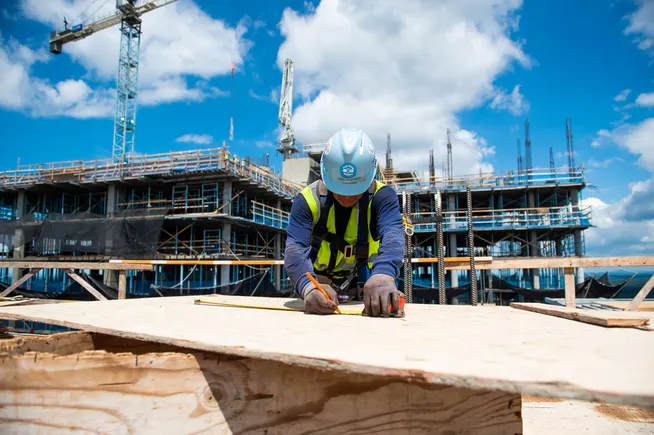
Almost all economists and contractors expect some degree of economic slowdown this year, and some have even incorporated a recession into their forecasts. But the key question is: how will this downturn be different? From labor shortages and commodity volatility to rising interest rates, industry leaders shared their observations and response strategies.