


Latest news
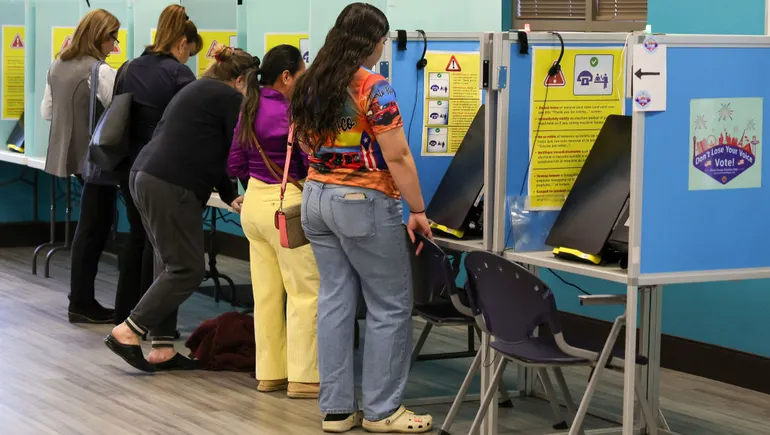
The latest index from the National Federation of Independent Business shows small business owner uncertainty at a record high. Construction industry professionals say election anxiety is dragging down overall construction activity, but public sector projects are still moving forward. The Federal Reserve's Beige Book and economists at multiple institutions have observed delays in private projects, while public areas such as infrastructure remain relatively immune.
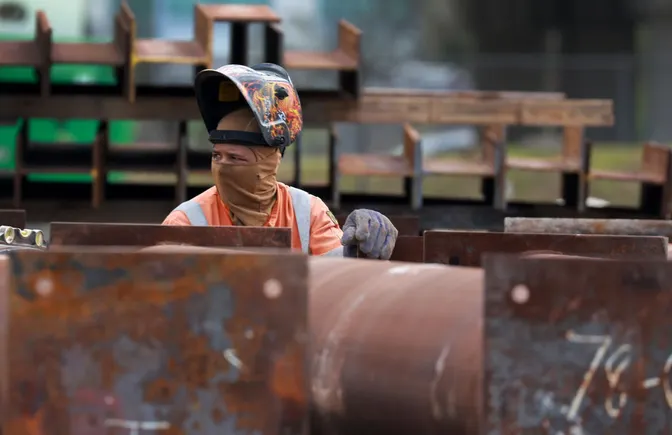
Approximately 23% of laborers in the U.S. construction industry are undocumented immigrants, and the sector faces labor shortages and challenges in legalizing status. As the 2024 election approaches, candidates from both parties hold divergent positions on immigration policy, with H-2B visa reform, DACA, and training programs becoming focal points.
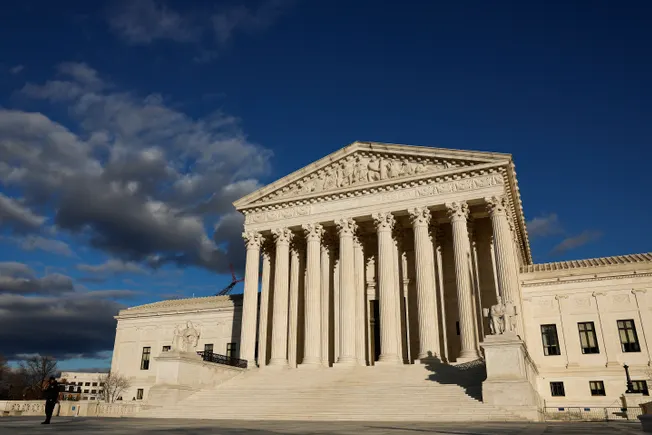
After the U.S. Supreme Court overturned the Chevron doctrine in June, construction-related regulations face challenges, potentially leading to increased environmental lawsuits and permit approval delays. Experts anticipate that the National Environmental Policy Act, the Endangered Species Act, and OSHA's heat standards will become focal points of litigation.
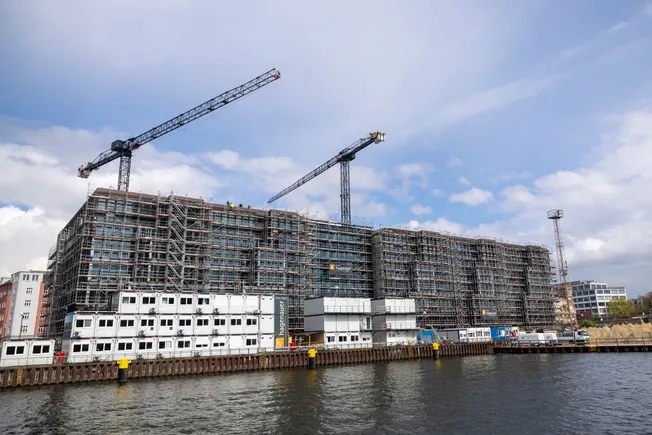
Under the dual pressures of rising costs and labor shortages, the U.S. construction industry still maintains its lead among major global economies, thanks to federal funding injections, the trend of industrial reshoring, and contractors' regional flexibility. Based on reports from multiple institutions, this article compares the construction performance of China, Germany, the United Kingdom, South Korea, and New Zealand, and analyzes the structural drivers behind U.S. growth.
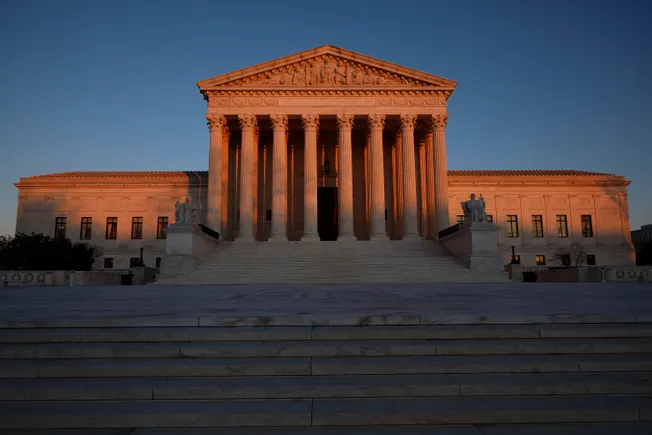
U.S. federal courts have begun applying the Supreme Court's landmark ruling on June 28 that overturned the Chevron deference doctrine. The ruling could shake up multiple Department of Labor regulations, but existing compliance obligations remain unchanged in the short term. This article outlines the ruling's long-term impact on employers and recommended responses.
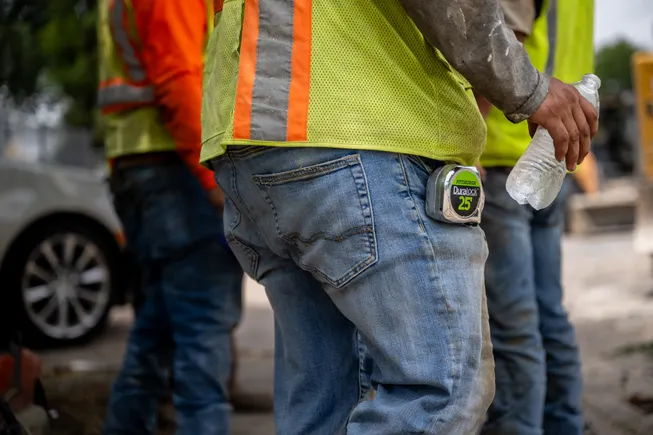
As temperatures across much of the western United States exceed 100 degrees Fahrenheit, construction contractors are activating summer heat prevention plans. Companies such as Skanska and Turner are responding to the heat by adjusting work schedules, setting up cooling stations, and enhancing training, emphasizing that safety investment is a necessary investment rather than a cost.
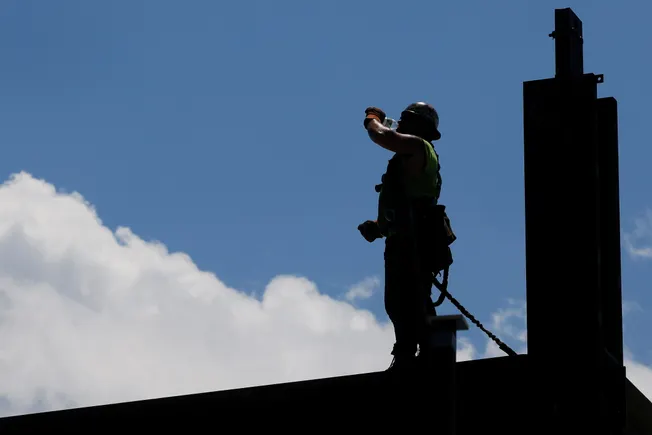
Recent heat-related regulations enacted or implemented in Texas, Florida, and Phoenix, U.S., will face their first real-world tests this summer. Texas and Florida prohibit local governments from mandating employer-provided water breaks, while Phoenix requires municipal contractors to develop heat safety plans. The article analyzes the regulatory background, points of contention, and progress on OSHA's federal standard-setting.
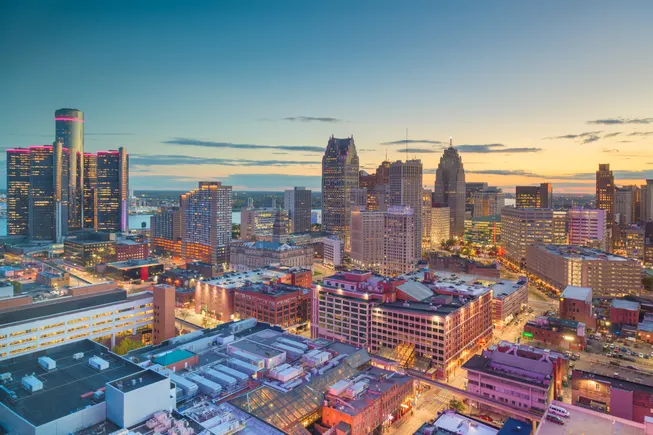
Persistent high interest rates continue to impact the construction industry, increasing financing pressure on private projects and leading to delays and fewer starts, while public projects remain active due to different funding mechanisms. Industry experts believe that rate stability could be key to the sector's recovery.
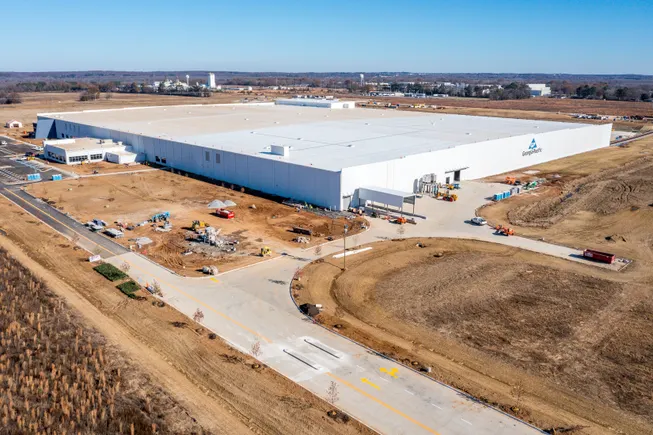
After hitting a record high in May 2023, the manufacturing construction boom has shown signs of cooling, but most contractors say they have not felt a downturn and instead expect activity to accelerate in 2024. Companies such as PCL, JE Dunn, and Clayco all have substantial backlogs and benefit from funding from the Inflation Reduction Act and the CHIPS Act. However, challenges such as labor shortages and long equipment procurement lead times remain, which could impact project schedules.
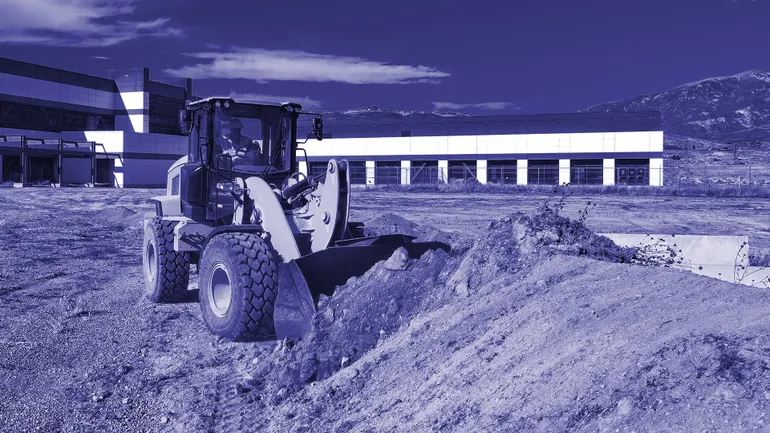
The U.S. manufacturing reshoring drives over $500 billion in investment, presenting a historic opportunity for contractors, but they must address challenges such as labor shortages.