


Latest news

The U.S. Department of Transportation announced on Monday the restart of the $5 billion NEVI EV charging fund and released simplified guidelines to cut red tape and waste. The new guidelines require states to submit plans within 30 days, allow them to determine charging station spacing independently, and reduce requirements on grid integration, renewable energy, and other matters. Industry groups welcomed the move, saying it provides regulatory certainty; the Sierra Club, however, criticized the government for still illegally withholding funds appropriated by Congress.

Rising costs of vehicle acquisition, insurance, maintenance, and management in the construction industry make Total Cost of Ownership (TCO) difficult to accurately calculate. Citing industry data and expert insights, this article points out that flexible fleet combinations (owned, leased, rented), managed maintenance programs, and predictive planning based on historical data can effectively reduce TCO, and introduces Enterprise's comprehensive mobility solutions.
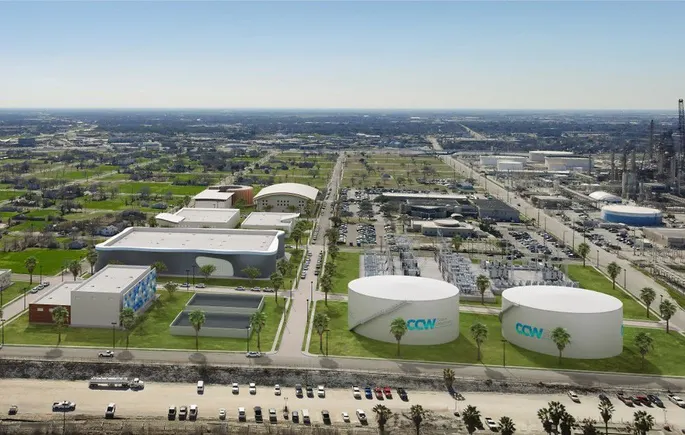
The Corpus Christi City Council voted last week to pause the $1.189 billion Inner Harbor seawater desalination treatment plant project until reconsideration on August 26. The project's cost has risen significantly from the initial $750 million, prompting council members to question cost-effectiveness and alternatives. Contractor Kiewit warned that delays would drive up costs and extend the timeline.
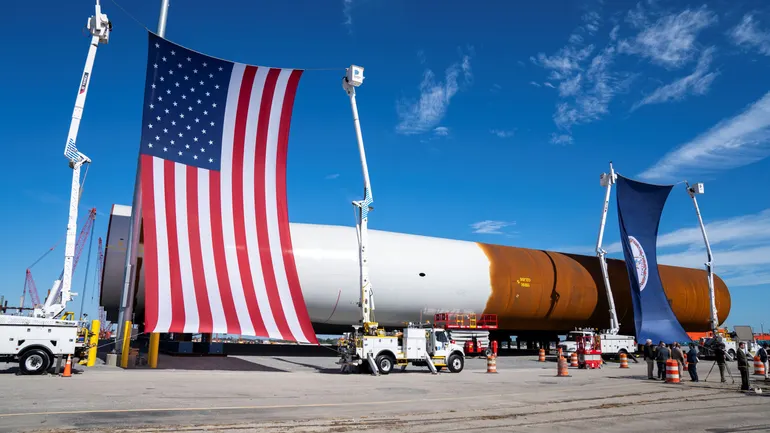
Dominion Energy revealed during its earnings call on Friday that its 2.6-gigawatt Coastal Virginia Offshore Wind project remains on schedule for completion by the end of 2026 and is eligible for tax credits under the Inflation Reduction Act. However, due to the impact of Trump's new tariff policies, project costs are expected to rise by $506 million, bringing total costs to $10.9 billion, with average monthly customer bills increasing by about 3 cents. CEO Bob Blue stated that despite doubled steel tariffs, through collaboration with suppliers and completion of regulatory analysis, the expected cost increase has been revised downward compared to the previous quarter.
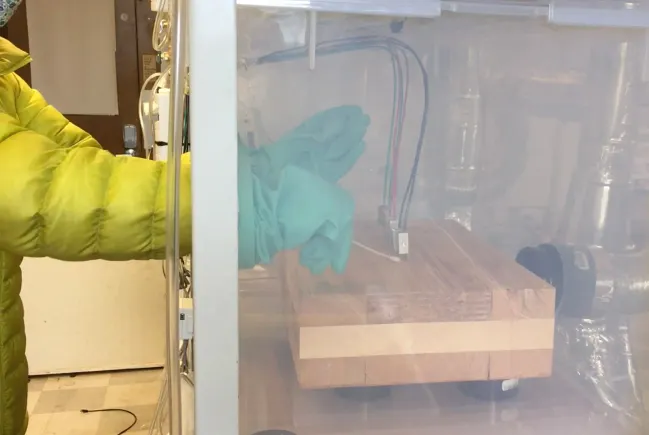
A new study from the University of Oregon found that after brief wetting, the surface of mass timber materials had lower bacterial counts than control empty plastic boxes, suggesting a potential to inhibit germs, providing new evidence for the use of wood structures in medical settings such as hospitals.

Gilbane Development Co. will lead the $1 billion affordable housing redevelopment project of Calvert Square and Young Terrace in Norfolk, Virginia, covering 55 acres and more than 1,000 housing units, with construction expected to start in 2027.

Wood Mackenzie's latest analysis shows that amid high electricity demand and slower-than-expected deployment of alternative energy, the global lifespan of coal power may be prolonged. In its 'high demand scenario,' coal power's peak could be delayed until 2030, four years later than in the base case. The report also warns that without investment in carbon capture and storage technology, carbon emissions from unabated coal power could increase by up to 2 billion tonnes, threatening the 2°C temperature control target.

Construction contractors are taking a pragmatic approach to venture capital, preferring to invest in startups that have achieved commercial maturity. Companies like DPR Construction, Suffolk Technologies, Webcor, and Turner Construction, through their internal investment arms, focus on technologies that address real industry challenges. Industry experts note that companies in later funding rounds demonstrate greater resilience and profitability, while the adoption of technologies such as AI is driving industry transformation.

As climate change intensifies, extreme weather events such as extreme heat are becoming more frequent, posing serious threats to workers. Based on expert interviews, this article analyzes how employers should develop and implement heat protection plans, including providing basic safeguards such as water, rest, and training, and emphasizes the importance of employee participation and systematic risk management.
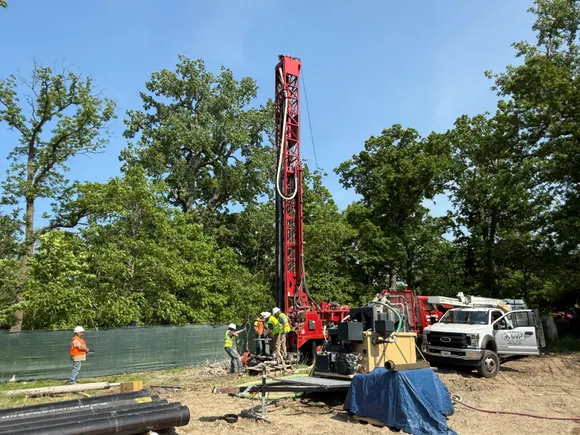
North Shore School District 112 in Illinois, USA, has installed the nation's first dynamic closed-loop geothermal heat pump system at the 130-year-old Ravinia Elementary School. The system uses groundwater for efficient heat exchange, has a small footprint, is expected to reduce carbon emissions by about 30%, and leverages local, state, and federal incentives to offset 50% of the $6.7 million project cost.