


Latest news

In response to the frequent extreme rainfall caused by climate change, New York City announced a $68 million investment in Brooklyn's Prospect Park to build the borough's first Bluebelt system. The project will upgrade lake drainage facilities, create new ponds and rain gardens to naturally mitigate flood risks, and complement the existing lakeshore restoration plan.
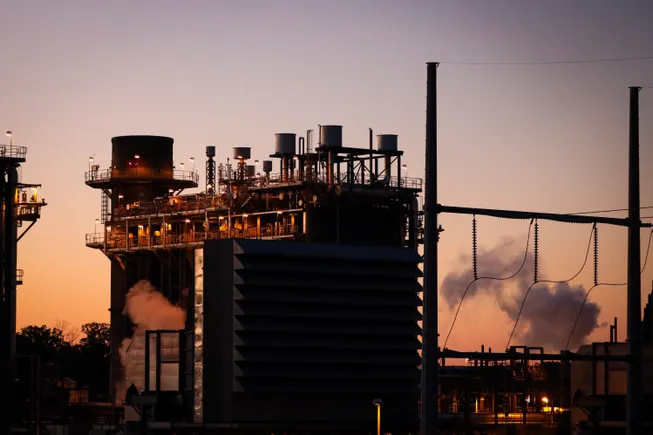
Twenty-five years ago, data center demand drove a boom in U.S. natural gas power plant construction, but after the dot-com bubble burst, demand fell short of expectations, leading to overcapacity. Today, AI electricity demand is again triggering a natural gas investment boom, but the industry structure and market environment have undergone profound changes. This article compares the two cycles and analyzes investment risks and regulatory responses.
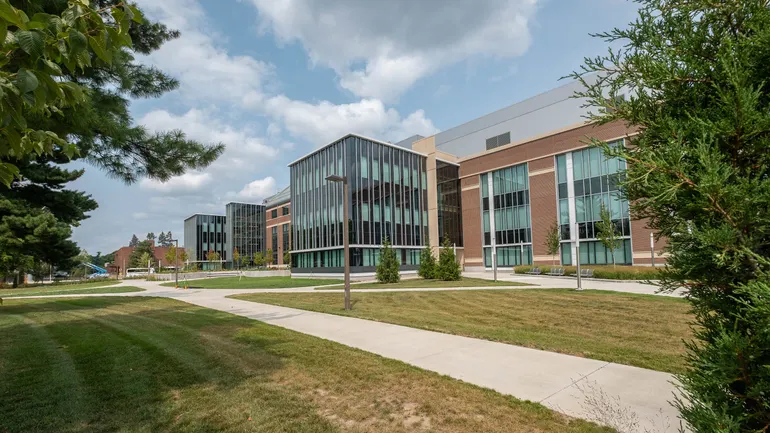
Michigan has introduced the Mass Timber Catalyst Program, offering grants of $25,000 to $75,000 and expert guidance for projects using this material, aiming to drive the green transformation of the construction industry.
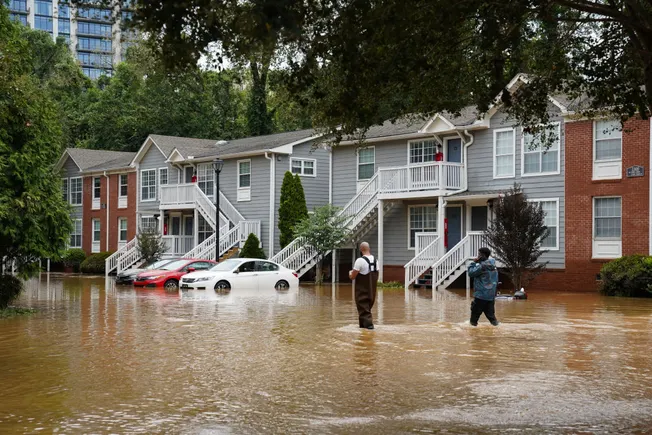
Over the past decade, ESG considerations have become increasingly prevalent in commercial real estate development. For multifamily developers and investors, ESG is not just about green building certifications but has become an important basis for investment evaluation, insurance negotiations, and risk management. This article explores the three dimensions of ESG, insurance and environmental risks, and how to protect asset value through due diligence and disclosure.
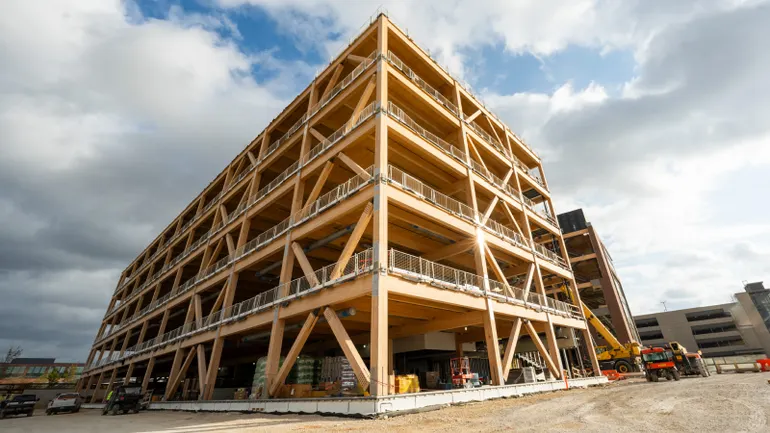
Mass timber construction is booming, with project numbers up more than fivefold since 2016. Ironworkers argue their expertise in heavy rigging and structural framing makes them ideal for these builds, though they acknowledge material differences and advocate for hybrid crews that combine trades for best outcomes.
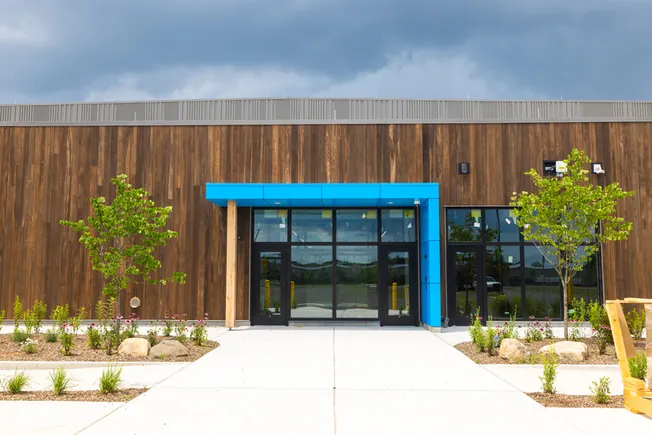
Amazon announced on Thursday the opening of a delivery facility in Elkhart, Indiana, whose structure extensively uses mass timber (a low-carbon building material) and integrates more than 40 sustainability initiatives. The company stated that the facility will serve as a 'laboratory' for sustainable construction and operations to test and promote related practices.
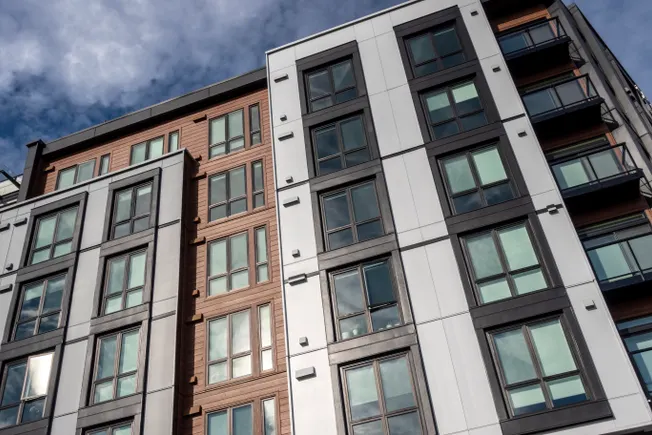
The multifamily housing industry had anticipated that reduced new supply in late 2025 and 2026 would drive rent increases, but economic uncertainties such as tariffs, slowing job growth, and declining consumer confidence have shifted operators' strategies toward prioritizing occupancy in 2025. This article synthesizes insights from multiple economists and REIT executives to analyze current market conditions and future outlooks.
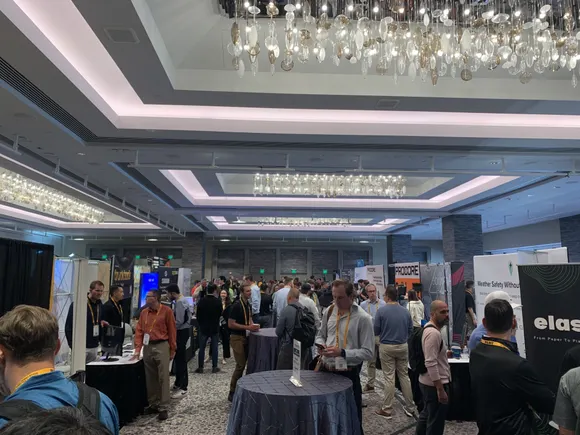
As 2026 passes its midpoint, the construction industry faces market divergence and technological change. To help professionals stay informed on industry trends, Construction Dive has compiled key conferences for the second half of 2026, including the NAWIC Annual Meeting, Autodesk University, and the LCI Congress, covering topics such as leadership, lean construction, green building, and technology applications.
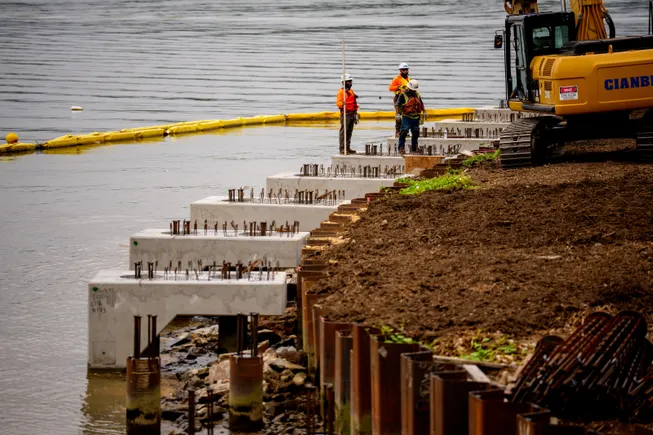
Five months after President Trump announced the "Liberation Day" tariff policy on April 2, 2025, the U.S. construction industry faces a significant surge in import tariffs on raw materials such as steel, aluminum, and copper. Industry opinions on the tariff impact are split into two opposing views: supporters argue that tariffs can drive manufacturing reshoring and promote industrial construction, while opponents emphasize the negative effects of rising costs, labor shortages, and policy uncertainty. Several industry economists and contractor executives have weighed in on the discussion, and the industry is actively adapting through diversified procurement and advance purchasing strategies.
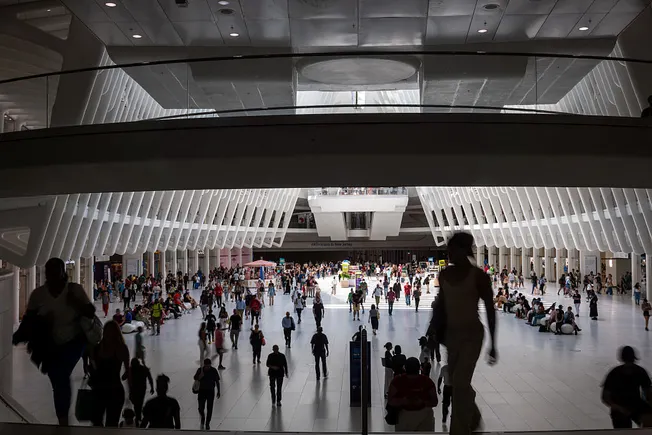
Halfway through 2025, the human resources field faces a wave of layoffs, adjustments to DEI programs, and difficulties in AI application. This article synthesizes multiple perspectives to analyze the balancing challenges HR faces among cost reduction, employee experience, and technological innovation.