


Latest news
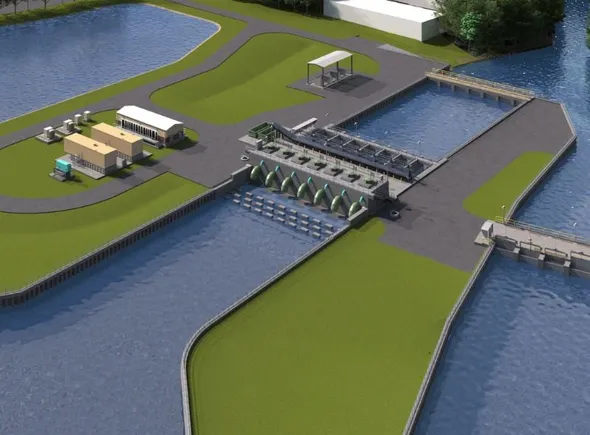
U.S. water projects experience notable growth in the first half of 2026, complementing the data center construction boom. Municipalities are actively preparing upgrades to address future water supply pressures and may gain support from a pending $30.5 billion water infrastructure bill. This article summarizes recent water projects and related developments across the nation.
FlatironDragados announced multiple executive appointments on July 20: Richard Grabinski as President of the US region, Dale Nelson as Chief Operating Officer, and new leadership in Canada. These moves aim to optimize the project portfolio, enhance delivery predictability, and continue the strategic adjustments following the 2024 merger.
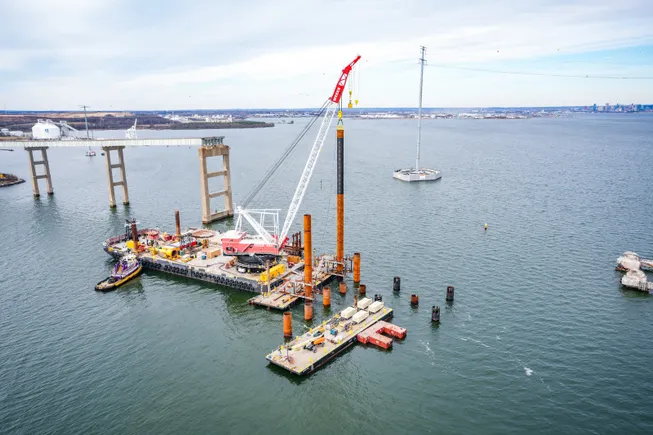
The Maryland Transportation Authority (MDTA) issued the Request for Qualifications (RFQ) for the construction of the main span and water approach spans of the Francis Scott Key Bridge on July 21, formally launching the two-step competitive selection process for design-build teams. This contract is the largest among the Key Bridge reconstruction projects, encompassing the cable-stayed main span, concrete bridge towers, vessel collision protection systems, and water approach spans on both the north and south sides. Interested firms must submit their Statements of Qualifications by August 19.

Promotion to a senior executive is a critical moment in one's career, but new leaders often overlook the importance of self-awareness and honest communication. This article uses real cases and practical frameworks to analyze how new leaders can build team trust by acknowledging their shortcomings and actively seeking feedback.
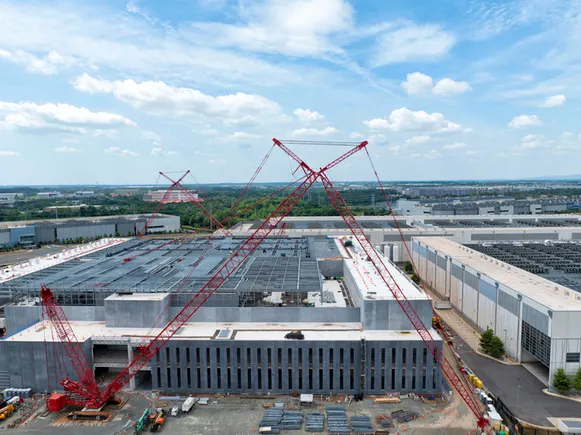
The Kansas Health Institute (KHI) released a report noting that energy and water consumption by data centers for AI and digital uses continues to rise, posing challenges for policymakers and community planners. In 2024, U.S. data centers used approximately 183 terawatt-hours of electricity, accounting for over 4% of national electricity use, with projections of a 133% increase to 426 terawatt-hours by 2030. Regarding water, direct consumption was 17 billion gallons in 2023, potentially doubling to quadrupling by 2028. The report also notes that data center growth is delaying coal plant closures and facing power generation shortages, with New York State already implementing a one-year construction moratorium.
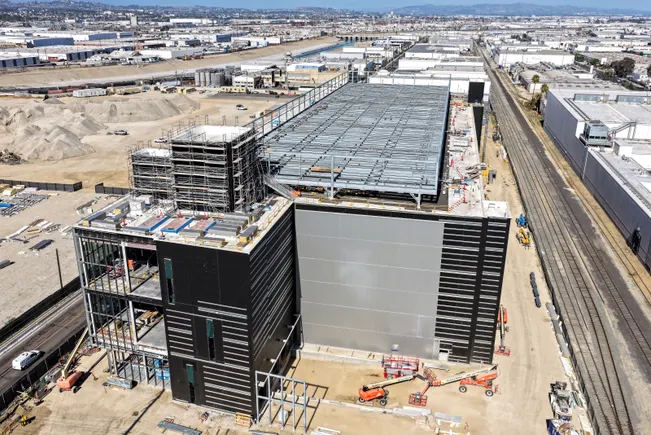
After several billion-dollar projects broke ground in May, U.S. construction activity slowed notably in June. Dodge Construction Network reported that total starts fell 19.9% month-over-month in June, with the annualized rate dropping to $1.42 trillion. Nonresidential building starts declined 9.1% month-over-month, with manufacturing plunging 62.9%; non-building projects (including infrastructure) fell 37.7% month-over-month. However, commercial building edged up 1.2% month-over-month, and total nonresidential starts in the first half still rose 6.2% cumulatively.
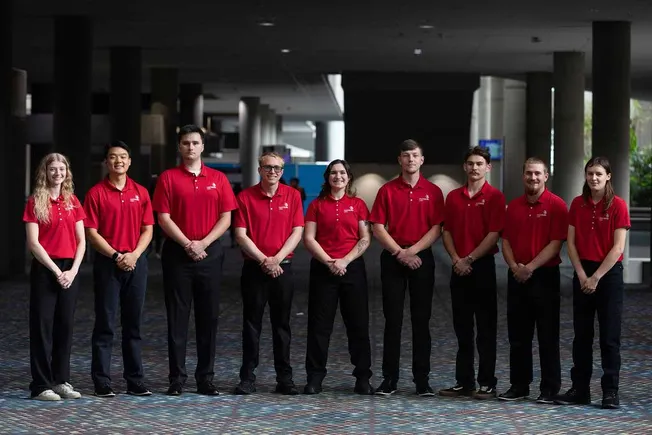
22-year-old Tristan Coates will represent the US in the carpentry category at the WorldSkills Competition in Shanghai in September 2026. He won the gold medal in the SkillsUSA National Carpentry Competition in 2022 at age 18 and currently runs his own construction company, Coates Builder Improvements.

U.S. Citizenship and Immigration Services (USCIS) announced on Friday that the H-1B visa program has reached its fiscal year 2027 cap. The program has a regular cap of 65,000 petitions, plus 20,000 exemptions for holders of advanced U.S. degrees. Although the Trump administration attempted to tighten policies by raising thresholds and imposing fees, some measures have faced legal challenges. Large employers such as Amazon and Apple still heavily use this visa.
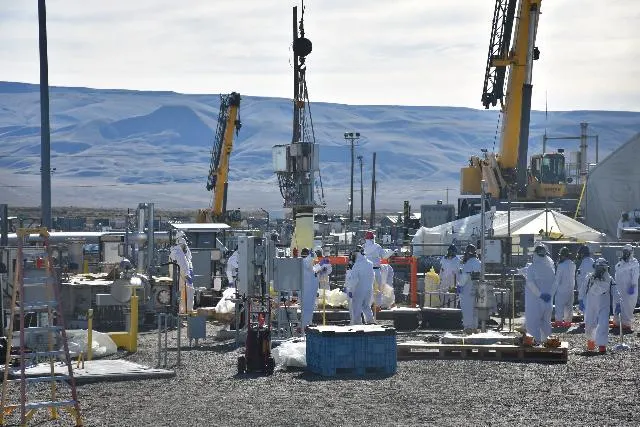
Madalyn Jennings, the only female apprentice electrician at the Hanford Vitrification Plant in Washington state, filed a lawsuit in federal court in June against former supervisor George "Buster" Elgin and Bechtel-related companies, alleging sexual harassment and retaliation that led to her termination.

On July 15, McKinsey released the report 'How AI Is Reshaping the Future of the AEC Industry,' stating that AI automation is not an 'extinction event' for the construction industry, but it will fundamentally change how tasks are executed. The report notes that companies with proprietary data, decision-making workflows, and outcome-based billing capabilities will benefit. AI is expected to automate 39% of non-manual work in the construction industry and 50% of related tasks in the architecture and engineering fields. The report divides automation goals into three phases: short-term (within 18 months), medium-term (18 months to 4 years), and long-term (over 4 years), and recommends that companies prioritize 3 to 5 high-value workflows and clarify a 'buy, build, or partner' strategy.