


Latest news

U.S. President Trump signed a proclamation on Thursday imposing 100% tariffs on certain drone systems and their components, citing that these products pose a national security threat to the United States. The new tariffs take effect on September 3 and apply to drones with a maximum takeoff weight exceeding 55 pounds and systems with thermal imaging capabilities. Other smaller drones and non-defense components will be subject to a 25% tariff. Drones from U.S. allies such as EU member states, Japan, Liechtenstein, South Korea, Switzerland, and Taiwan will be subject to a 15% rate, while UK-made drone systems will be taxed at 10% when meeting specific origin conditions.
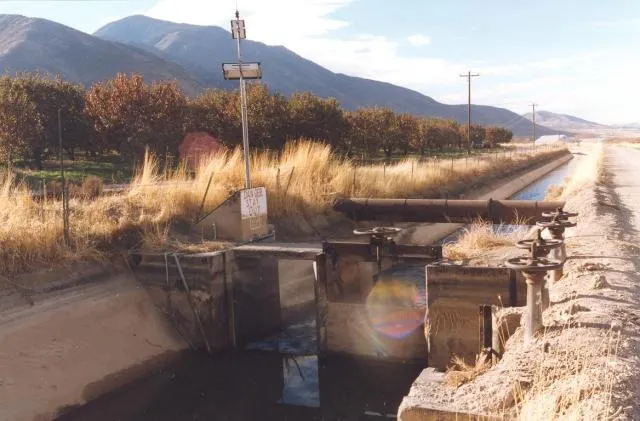
The Central Utah Water Conservancy District has selected a joint venture of Jacobs and Bowen Collins & Associates to provide engineering services for the Strawberry Highline Rehabilitation Project. The project, with a total investment of approximately $750 million, will convert the open channel built in 1916 into a modern pressurized pipeline system, along with supporting facilities such as pump stations. The project is pending final approval, and the U.S. Department of the Interior has allocated $100 million. If legal requirements such as environmental compliance are successfully completed, construction could begin as early as 2027 and the system could be operational by 2032.

With budget cuts at FEMA and NOAA, architecture, engineering, and construction firms face reduced federal support during the 2026 hurricane season. This article analyzes key funding changes, impacts on the industry, and proposes six recommendations to enhance operational resilience.
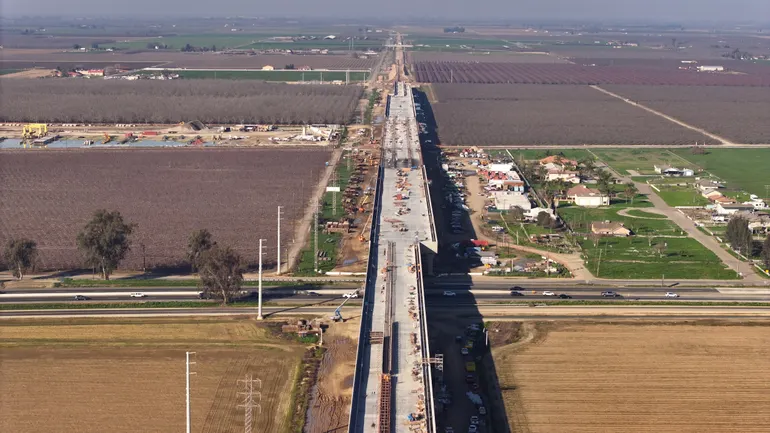
A July 31 report by the California High-Speed Rail Authority's Inspector General warned that if borrowing against the anticipated $1 billion per year cap-and-trade funds through 2046 is not possible, project funds could be exhausted by December 2027. The report highlighted issues with the Authority's optimistic assumptions and cost estimates, and mentioned challenges such as terminated federal funding and higher private financing costs.
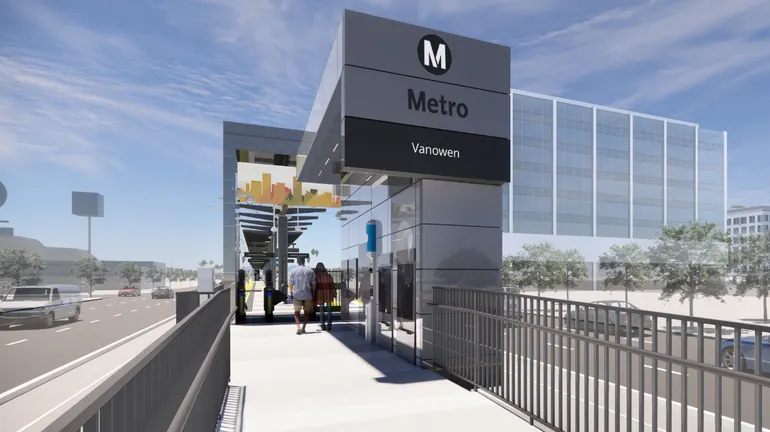
The Skanska-Stacy Witbeck joint venture has been awarded the East San Fernando Valley Light Rail Project contract by the Los Angeles County Metropolitan Transportation Authority, with a total contract value of $1.9 billion, of which Skanska's share is $957 million. The project includes a 6.7-mile at-grade light rail line, a 26-acre maintenance facility, and 11 new stations, with completion expected in December 2031.

With profit margins under sustained pressure, contractors must not only win bids but also strictly prevent profit leakage during construction. By integrating financial and operational data and leveraging AI to identify anomalies in real time, contractors can take action before issues escalate. Companies such as MAG Builders and Lam-Wood Systems have achieved transparent management of project progress and costs through the NetSuite platform, significantly enhancing control over profitability.
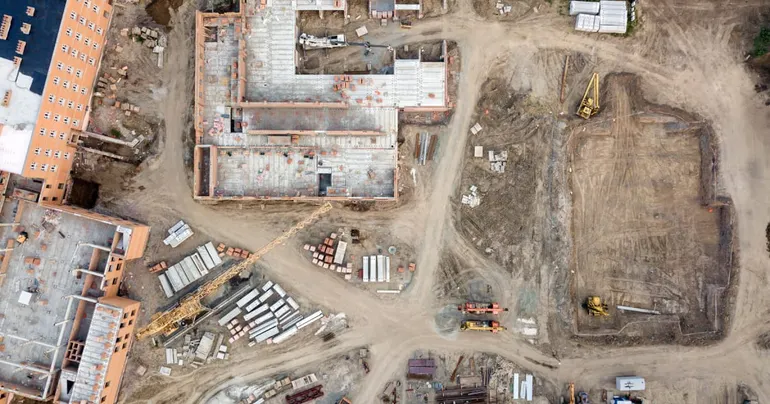
The construction industry has long faced the dilemma of data being disconnected from decision-making. Brasfield & Gorrie, with GIS at its core, integrates drone imagery and on-site data to create a single source of truth, significantly improving safety and operational efficiency. This model has been scaled across its multi-regional projects, demonstrating a new direction for data-driven construction.

Construction companies have made significant progress in technology adoption during the pre-bid phase, but the execution phase after winning the bid is becoming a new bottleneck. This article explores the key role of BIM in bridging the gap between bidding and construction, and how lifecycle continuity can improve overall productivity.
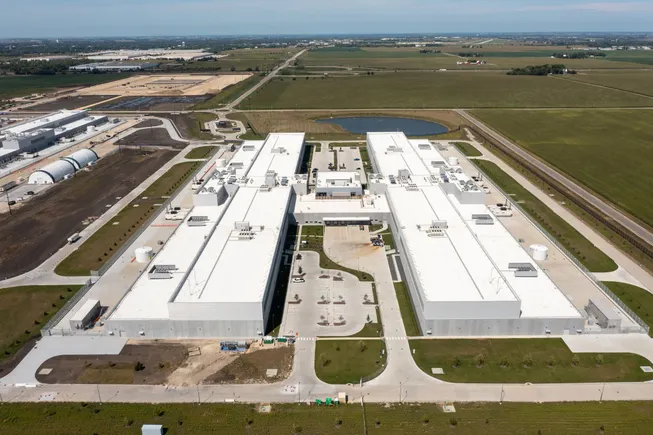
Balfour Beatty CEO Philip Hoare stated during the H1 2026 earnings call that data centers have become the hottest topic in the industry. Large publicly traded construction firms, while enjoying the concentrated boom brought by data center construction, also emphasized maintaining business diversification, covering transportation, aviation, energy, and infrastructure megaprojects. Data shows that companies with annual revenues exceeding $100 million had a backlog of 12.1 months in July, while smaller contractors had only 7 months.
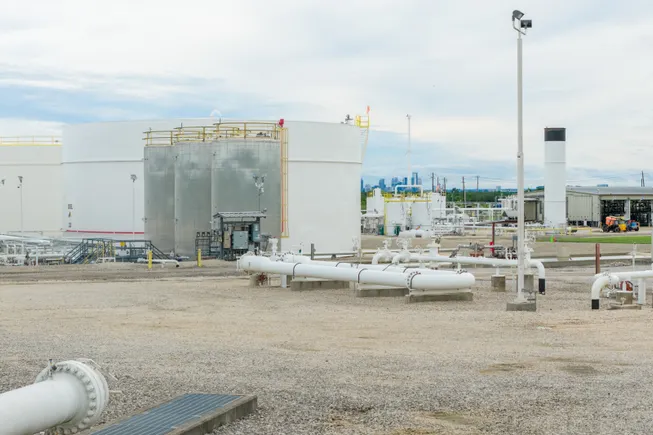
U.S. construction input costs rose 7.4% year-over-year in July, with only a slight 0.1% month-over-month increase, mainly due to lower energy prices. However, economists warn that cost pressures will intensify in the future as fuel and some material prices rebound.