


Latest news
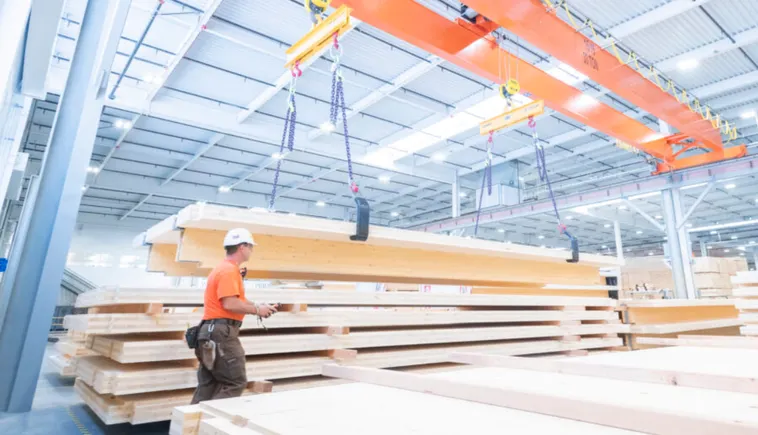
Katerra, a construction startup that received over $2 billion in investments from SoftBank and others, with a valuation once reaching $4 billion, filed for bankruptcy in June 2021. Its failure stemmed from excessive vertical integration, rapid expansion, and insufficient market acceptance. Industry observers believe that Katerra's lessons will prompt later entrants to advance modular construction and construction technology more cautiously, while funding in this sector still hit record levels in 2021.
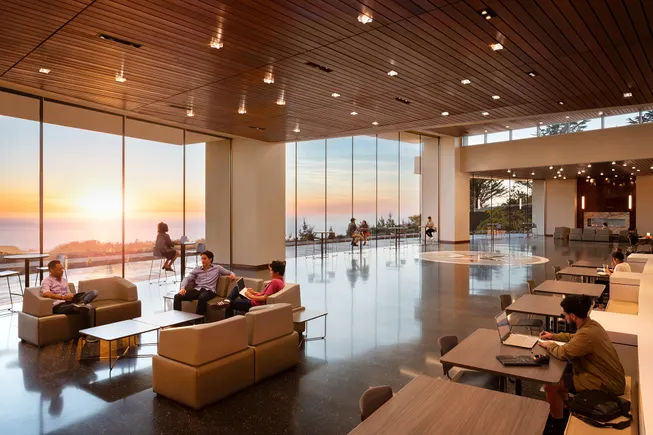
Diversity data in the construction industry has remained low for a long time, but some contractors are driving change by setting goals, adjusting subcontracting processes, and strengthening community partnerships. This article presents the specific practices and outcomes of XL Construction, Turner & Townsend, and PCL Construction.
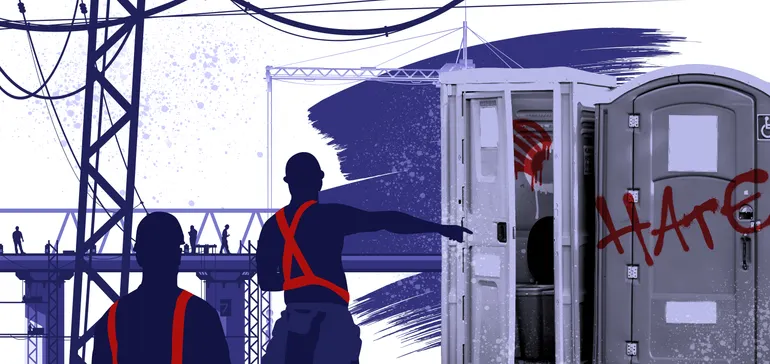
After more than 20 hate incidents on North American construction sites in the past 18 months, CEOs of six industry giants announced the launch of the inaugural Construction Inclusion Week on October 18, covering over 200,000 workers. They vowed to eliminate hateful behavior through firings and termination of subcontracts, and to promote industry diversity.

The remnants of Hurricane Ida caused widespread flooding across the northeastern United States, highlighting the direct threat of extreme weather to workers. Although most corporate leaders have not prioritized climate change, regulations and practices have already pushed employers to focus on issues such as heat illness prevention and emergency planning. This article combines case studies and expert opinions to analyze how climate change is reshaping worker safety strategies.
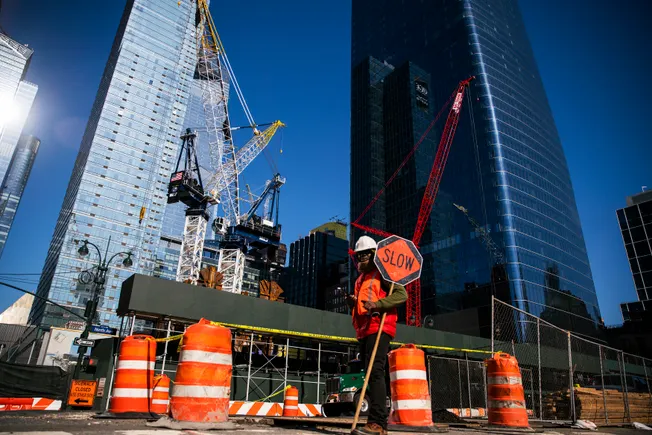
The COVID-19 infection risk in the U.S. construction industry presents vastly different pictures depending on data sources and statistical methods: some state data show relatively high proportions of infections and deaths in construction, while contractors generally report no cluster transmissions on sites. The absence of nationwide tracking data and inconsistent state-level statistical approaches make it difficult to determine the industry's true risk.
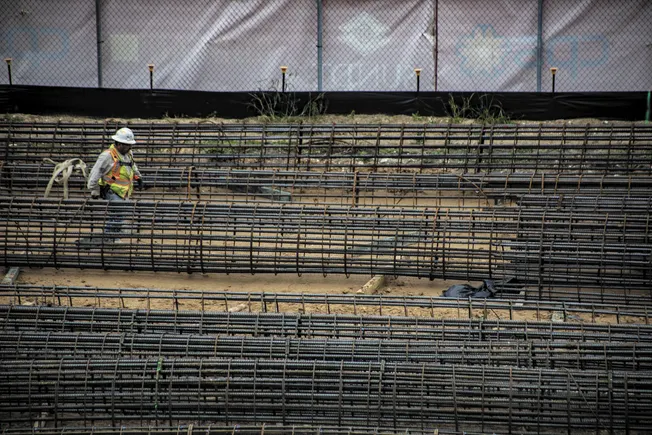
After the outbreak of COVID-19, the labor shortage in the construction industry evolved from a chronic problem into a full-blown crisis. According to data from the Associated Builders and Contractors, the industry needs to add 430,000 workers this year and 1 million more over the next two years. Facing intense cross-industry competition for talent, contractors are employing various strategies: some are raising wages to retain workers, others are reshaping corporate culture, and still others are expanding recruitment channels. This article interviews multiple industry insiders to analyze the current state of this talent war and the strategies being used to address it.

As the Delta variant drives a surge in COVID-19 cases in the U.S., the construction industry, after a brief recovery, is tightening pandemic measures again. Owners have begun mandating vaccinations for site workers, but vaccine hesitancy within the industry remains high, putting contractors under multiple pressures from labor shortages, on-site verification, and legal liabilities.
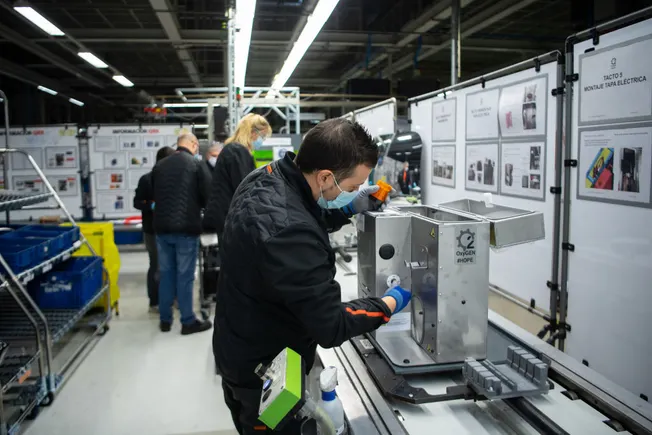
With the pandemic rebounding in parts of the U.S. and the Delta variant spreading, employers are reassessing return-to-work policies. Target has reinstated mask requirements, while companies like Tyson Foods and Microsoft have introduced vaccine mandates. Legal experts point out that consistent policy enforcement and clear communication are key to mitigating risks, while also carefully handling employee exemptions and terminations.

The United States only has the Family and Medical Leave Act, which provides 12 weeks of unpaid leave. Business leaders such as Shama Skinner of Thinx are calling on Congress to implement universal paid leave. Data shows that during the pandemic, women's labor force participation rate fell to its lowest since 1988, with childcare burdens leading to a large number of women leaving their jobs. Companies like Thinx offer 16 weeks of paid leave and a monthly childcare subsidy of $800 to improve retention rates. Experts recommend achieving 12 weeks of universal paid leave, covering gig workers, domestic workers, and farm workers.
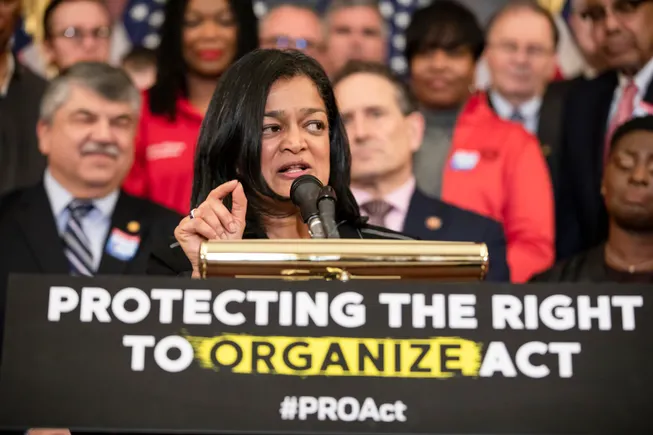
The U.S. Protecting the Right to Organize Act (PRO Act) is pending Senate consideration. The bill proposes amendments to the National Labor Relations Act and other laws, involving key issues such as the classification of independent contractors, preemption of state laws, penalty mechanisms, and collective bargaining procedures. Based on Senate hearing testimonies and insights from multiple experts, this article systematically interprets the ten major changes the bill may bring.