


Latest news

Based on HR Dive's predictions, this article outlines seven trends in human resources in 2022, including flexible work arrangements, autonomy in vaccine policies, employee care and telehealth, continuous and humanized performance evaluations, microlearning and on-demand learning, parental leave and pay transparency in DEI, and the resurgence of labor unions.

Digital twins, as 3D virtual replicas of the physical world, are being used by cities such as Boston, Chattanooga, and Las Vegas for planning simulations, traffic optimization, and building decarbonization. This article explores their application effectiveness, implementation barriers, and future prospects, citing insights from multiple experts and emphasizing the importance of data quality and human decision-making.
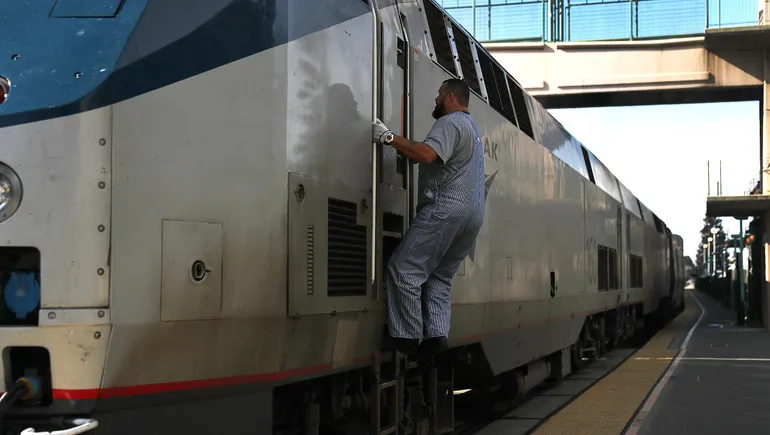
Amtrak Seeks to Expand Network Significantly by 2035, Riding on Federal Infrastructure Bill Momentum
Amtrak has released a vision plan to add more than 30 new routes and expand service on at least 20 existing routes by 2035, bringing 160 communities into the national rail network for the first time, if Congress passes the bipartisan infrastructure bill. The plan relies on federal funding and state cooperation, but the cooperation of freight railroads, funding feasibility, and the reality of demand remain contentious.
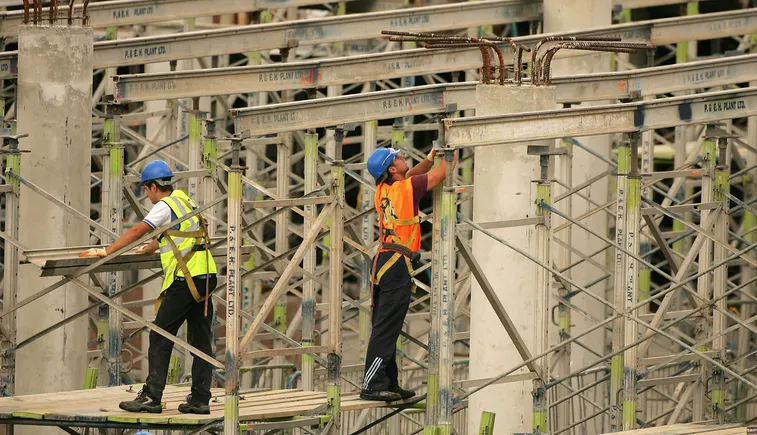
The pandemic has changed consumption patterns, leading food and beverage manufacturers to expand factories to meet home consumption demand. In 2021, there have been over 70 expansion projects, with industry investment recovering, but facing challenges such as material shortages and rising costs.

The construction industry faces a skilled labor crisis, with experts pointing to a lack of career awareness, retirement waves, and insufficient recruitment as main causes. Through insights from multiple industry leaders, the article explores how to retain workers and build professional pride by improving recruitment, leadership training, safety communication, cultural change, and technology application.

The construction industry is facing a skilled labor crisis, and attracting Millennials and Gen Z has become a challenge. This article analyzes key factors such as compensation perceptions, work flexibility, early talent cultivation, and technology adoption, and cites expert opinions to explore how the industry can adjust its strategies to attract young talent.
Construction Industry Career Crisis: Recruiters Target Young Workers Driving the 'Great Resignation'
The construction industry is facing a severe skilled labor shortage, and recruiters are turning their attention to young workers who are driving the 'Great Resignation.' Despite the industry's urgent need for talent, surveys show that construction ranks last among Generation Z's career choices. This article explores the industry's predicament, its causes, and corporate responses.
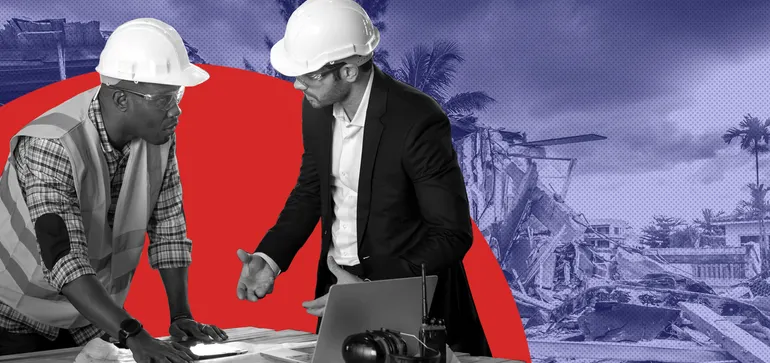
The construction industry is facing a severe skilled labor shortage, with 92% of contractors reporting difficulty in hiring. This article reviews employment data from the 2006 peak to the pandemic impact, analyzes deeper causes such as higher education orientation, vocational education funding gaps, working conditions, inadequate management training, and the retirement of baby boomers, and looks ahead to future recruitment strategies.
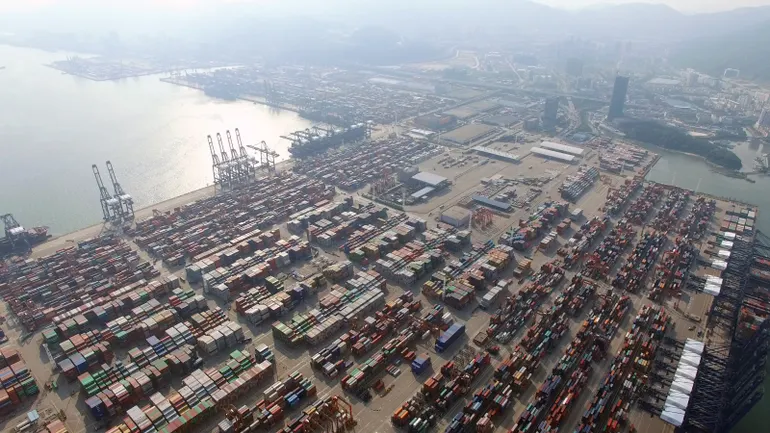
Multiple risks such as rising costs, trade wars, and the pandemic have prompted American companies to reassess their procurement strategies from China, shifting from single-source dependence to diversified layouts, but China's core position in the global supply chain is difficult to replace in the short term.

Material costs have been soaring since last spring, putting unprecedented pressure on contractors regarding project budgets and schedules. Industry experts point out that multiple factors, including the pandemic, supply chain disruptions, production limits in China, and the Texas winter storm, have combined to cause prices to spiral out of control. Contractors are responding through design optimization, early procurement, enhanced cooperation, and the adoption of price adjustment clauses, but risks remain high.