


Latest news
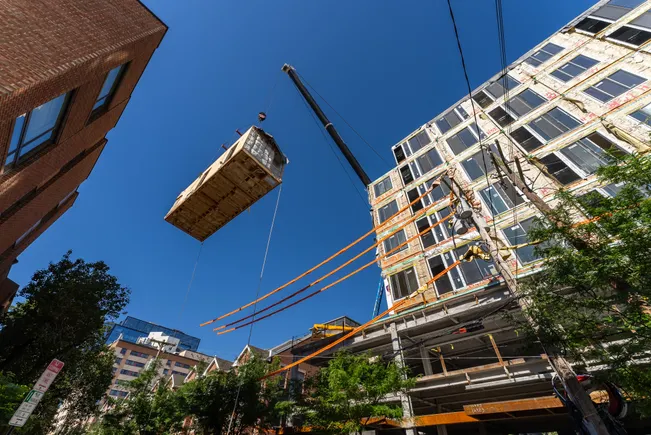
Modular construction is emerging as a new trend in U.S. multifamily housing development. According to the 2022 Modular Building Institute report, multifamily housing accounts for approximately 23% of commercial modular output, yet overall penetration is only 5.52%. Developers value its advantages such as shortened construction timelines and the ability to build in winter, but costs are not lower than traditional methods. Variations in transportation regulations, requirements for design standardization, and a shortage of skilled labor remain core variables facing the industry.

The Family and Medical Leave Act (FMLA) is one of the cornerstones of human resource management. Against the backdrop of the ongoing impact of the COVID-19 pandemic and the emergence of long COVID-19 issues, employers face more complex compliance challenges when managing the intersection of FMLA leave and paid time off (PTO). This article synthesizes the perspectives of three labor law experts and outlines five key practical recommendations.

The construction industry has been slow to adopt robotics, with only 55% of companies using robots, far behind automotive (84%) and manufacturing (79%). Experts believe that robots will become widespread on U.S. construction sites within the next 5 to 20 years, but costs, industry inertia, and labor impacts remain major obstacles.



Florida Governor Ron DeSantis signed the 'Stop WOKE Act' on April 22, 2022, which takes effect on July 1, 2022, restricting public and private employers with more than 15 employees from teaching specific concepts related to race, color, sex, and national origin in workplace training. Legal expert Cindy-Ann L. Thomas believes the act will lead many employers to take a 'strategic pause' on DEI training and may trigger up to two years of litigation.
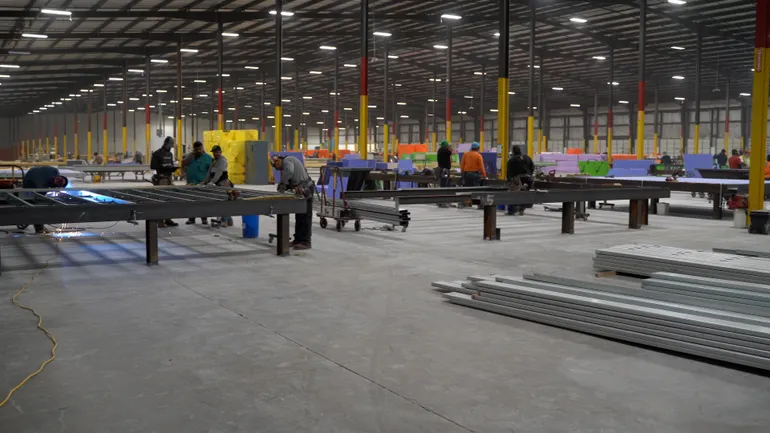
Modular construction was once highly anticipated, but in 2023 its share of new buildings in North America was only 5.5%. Contractors report that obstacles remain in design, manufacturing, transportation, and assembly stages, with a steep learning curve. Despite challenges, industry experts expect the market share to double to 10% over the next five years, with increasing applications particularly in healthcare and hospitality sectors.

Amazon nearly doubled its operational capacity over the past two years, with fulfillment center count growing by 30%. As the e-commerce boom cools, the company's CFO stated that fulfillment center spending will moderate, and future growth may align with other business segments. Experts believe Amazon will increase transportation investment to enhance delivery control and reduce costs.

With building material prices soaring and deliveries delayed, contractors are resorting to unconventional measures such as stockpiling, ghost orders, and temporary warehouses to keep projects on schedule. Industry data shows that nonresidential building input prices have risen by over 24% year-over-year, the highest since 1987. Experts predict that supply chain pressures will persist at least until the end of the year.

U.S. companies are confronting the most severe inflationary challenges in over 30 years. As of early February 2022, 76% of S&P 500 companies exceeded fourth-quarter earnings per share expectations, but CFOs generally anticipate that inflation risks will persist in the first half of 2022. This article details how companies such as Procter & Gamble, Amazon, General Electric, and 3M are countering inflation through four major strategies: price increases, cost reduction, efficiency enhancement, and hedging, and cites Federal Reserve Chair Jerome Powell's prediction that inflation will ease.