


Latest news
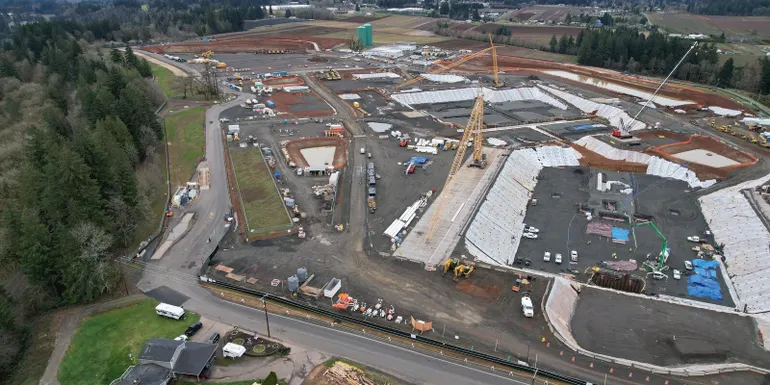
The Portland Water Bureau announced on June 25 that the Bull Run Filtration Project has been approved to resume work after a nearly five-month legal dispute shutdown. The $2.1 billion project aims to meet state and federal drinking water standards and remove Cryptosporidium. Previously, the Oregon Land Use Board of Appeals overturned Multnomah County's environmental approval, but a hearings officer re-approved the original land use permit on June 23.
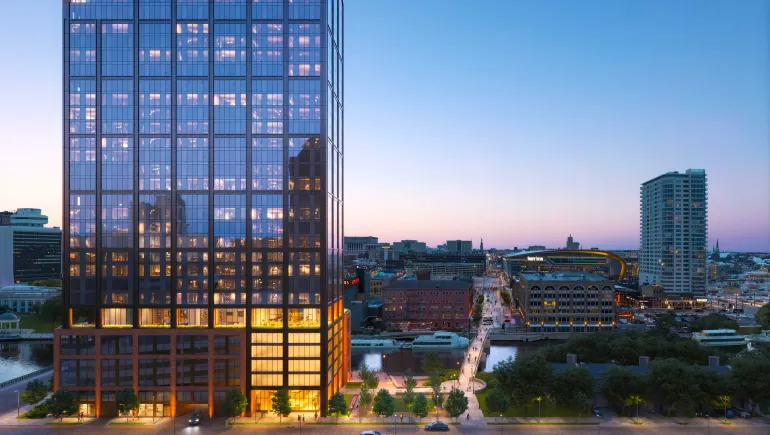
The Neutral Edison project has officially commenced in Milwaukee, Wisconsin, with plans to top out in 2026 and welcome residents in 2027. The project employs a hybrid structural system and requires approval through alternative code provisions to meet fire safety requirements. The project is financed with $133.3 million, and the design team includes Forefront Structural Engineers and Thornton Tomasetti.
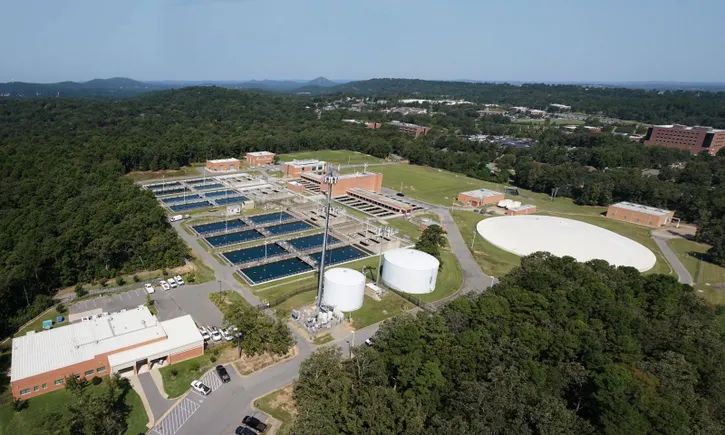
Arkansas's largest water treatment plant, the Jack H. Wilson Water Treatment Plant, has launched a $230 million first major overhaul aimed at enhancing water supply capacity and introducing modern treatment technologies.
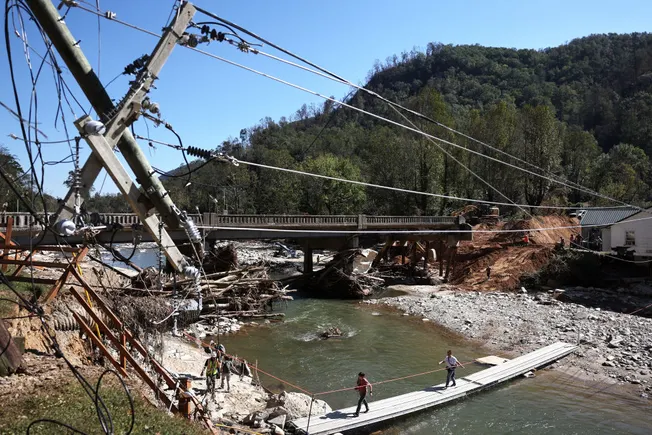
U.S. critical infrastructure faces pressures from aging, inadequate maintenance, and frequent extreme weather. At the Construction Innovation 2025 conference, experts called for a shift from 'restoring to original condition' to 'functional recovery,' using precision investment and technologies like AI and digital twins to improve the resilience and sustainability of infrastructure.
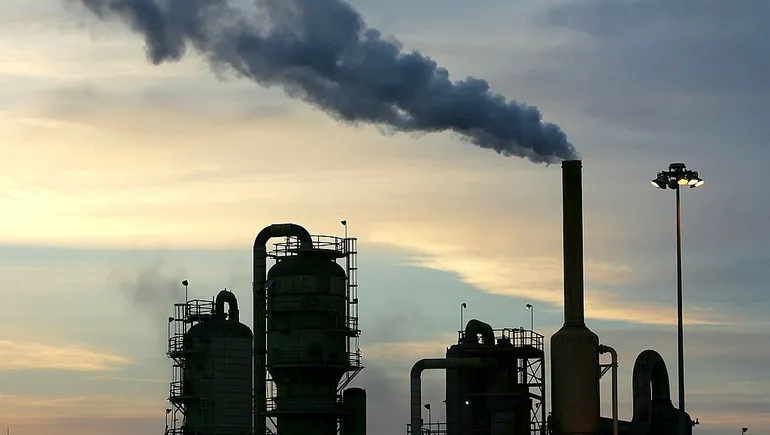
Meta signed an agreement with XGS Energy to support the development of 150 megawatts of next-generation geothermal power capacity in New Mexico to supply electricity to its data center. The project will be built in two phases, expected to be fully operational by 2030, with a total investment of approximately $1 billion and significant job creation.

Although the Trump administration previously promised large-scale workplace enforcement, ICE is currently targeting mainly small businesses. Experts expect that as funding and staffing expand, enforcement intensity will significantly increase, and employers need to prepare in advance for I-9 audits and site inspections.
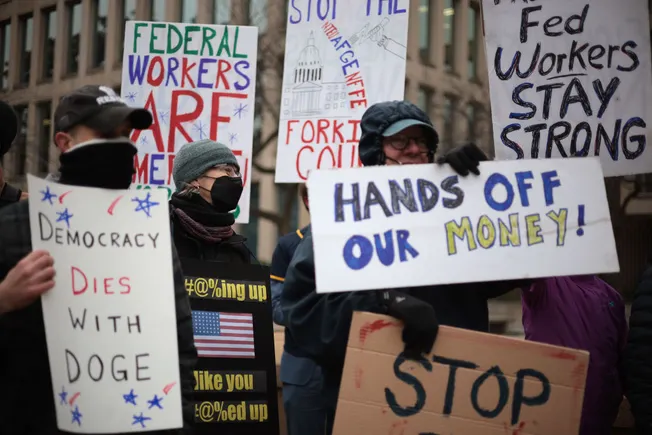
The Washington D.C. apartment market has long been regarded as a safe haven, but the federal layoff actions by the Trump administration and DOGE are breaking this calm. Although owners have not yet seen direct effects, potential risks are intertwined with market diversification trends, and the industry is closely monitoring developments.
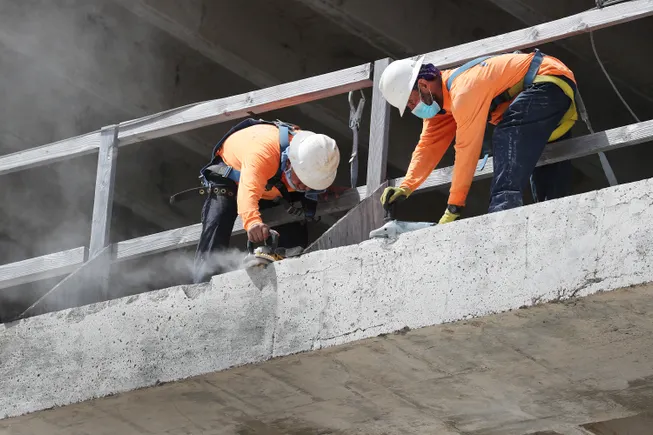
Five years after the COVID-19 outbreak, nonresidential construction input costs in the U.S. remain about 40.5% higher than in February 2020, far from returning to pre-pandemic levels. While supply chains have partially recovered, new tariff threats in 2025 are driving material prices up again. Industry experts expect that unless a 'black swan' event occurs, construction costs are unlikely to decline significantly in 2025.
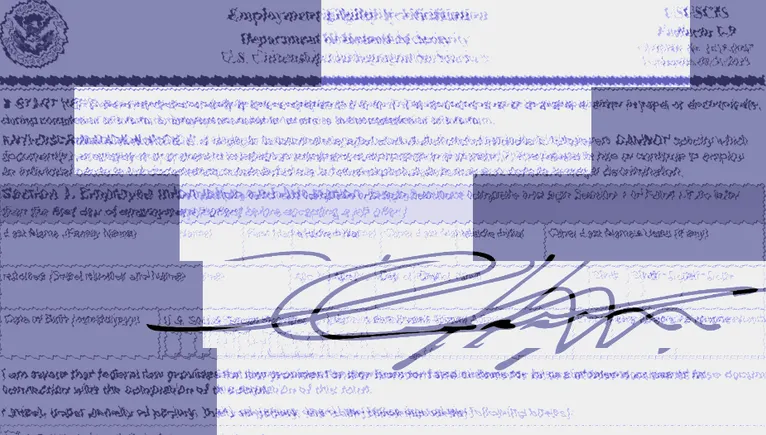
The Trump administration has intensified immigration enforcement. Beyond workplace raids, improper handling of electronic I-9 forms is emerging as another potentially costly risk for employers. Immigration compliance experts caution that third-party I-9 software used by many employers may have compliance issues, including pre-filled employee information and electronic signatures lacking necessary audit trails. If discovered during ICE audits, employers could face fines of up to $2,861 per violation.
The fatality rate on construction sites has stagnated for a decade, and traditional safety metrics like TRIR are criticized for failing to reflect real risks. Sundt introduced the STCKY program, focusing on 'potentially fatal risks,' and improved SIF prevention success from 6% to 65% by categorically recording successes, luck, and injuries. Companies like Hoar Construction and KS Industries also optimize safety planning by identifying precursor factors of SIF. Experts believe that focusing on the most dangerous activities is more effective in protecting workers than simply pursuing zero accidents.