


Latest news

With the passage of the One Big Beautiful Bill Act, construction companies have regained the tax benefit of 100% bonus depreciation. However, amid IRS staff reductions and extended processing cycles, companies need to strengthen documentation management, use cost segregation studies prudently, and improve fixed asset ledgers to ensure deduction benefits are realized and reduce audit risk. This article offers four practical recommendations.

Since late 2025, U.S. immigration enforcement actions have unfolded in multiple cities, affecting the multifamily housing market to varying degrees. Based on first-hand feedback from institutions such as Centerspace, John Burns Research & Consulting, and Coastline Equity, this article analyzes slowing population growth, pressure on Class C assets, and operators' compliance responses.

Starting March 19, Ohio will mandate the use of the federal E-Verify system for public works and non-residential contractors, with violators facing fines of up to $25,000 and a two-year bidding ban. This article outlines regulatory differences, compliance essentials, and legal risks across 25 states nationwide.
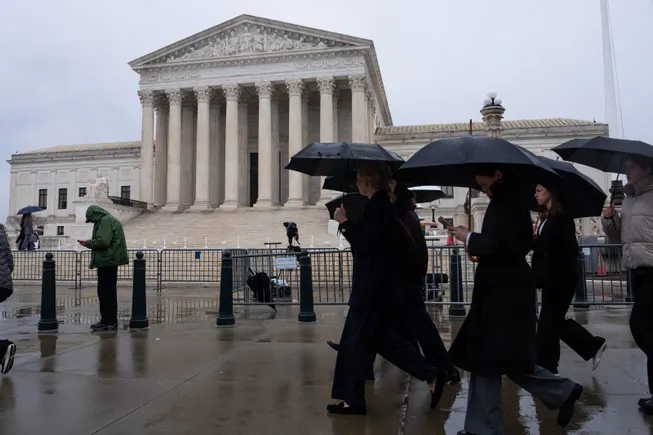
The U.S. Supreme Court ruled 6-3 that the Trump administration lacked the authority to impose global reciprocal tariffs under emergency powers, which may result in a moderate decrease in prices for building materials such as specialized equipment, HVAC systems, and electrical systems. However, the White House immediately stated it would seek alternative tariff tools, and tariffs on specific materials like lumber, steel, aluminum, and copper remain unaffected. Industry experts warn that the market may face a new round of uncertainty and a wait-and-see attitude.

On November 17, 2025, the U.S. Environmental Protection Agency (EPA) and the U.S. Army Corps of Engineers (USACE) jointly issued a proposed rule to redefine the scope of "Waters of the United States" under the Clean Water Act. The new rule aligns with the Supreme Court's 2023 Sackett v. EPA decision, focusing federal jurisdiction on "relatively permanent, standing, or continuously flowing bodies of water," and includes significant exclusions for ditches, groundwater drainage systems, and others. If the rule is finalized, developers, consultants, and landowners will gain clearer jurisdictional determination standards, but pre-project environmental assessment processes may also be adjusted accordingly.
The non-residential construction market in 2026 faces multiple uncertainties, including the continuation of tariff policies, heightened immigration enforcement, risks of a data center investment bubble, and innovations in contract clauses. Based on the current state of the industry, this article distills four major trends that contractors need to closely monitor, helping companies plan ahead.
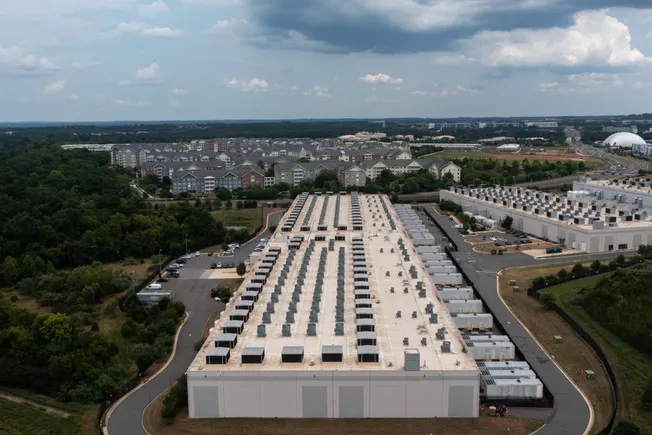
In 2025, data center construction became the core driver of the construction industry, with tech giants committing up to $500 billion. In 2026, this trend is expected to continue, but builders face dual opportunities: directly participating in large projects or undertaking surrounding infrastructure, while leveraging AI technology to improve their own efficiency. However, concerns about an AI bubble persist, and market volatility may bring risks.
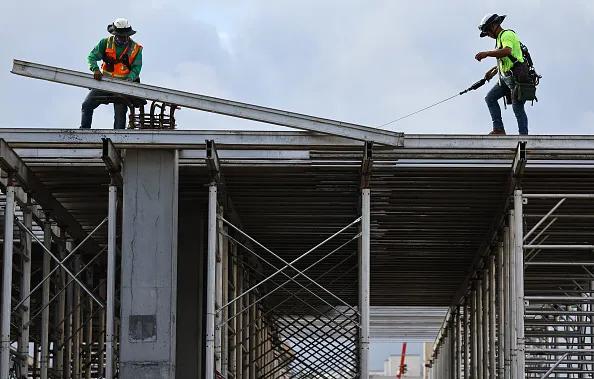
The impact of the Trump administration's second-term immigration policy on the construction industry will gradually become apparent in 2026. Although current workplace enforcement cases are limited, workers leaving voluntarily due to fear, rising labor costs, and divergence in industry demand have already begun to take effect. Multiple economists predict that with increased ICE funding and expanded enforcement scope, the construction industry will face more severe labor challenges, especially in high-end project sectors such as data centers, where competition will become intense.
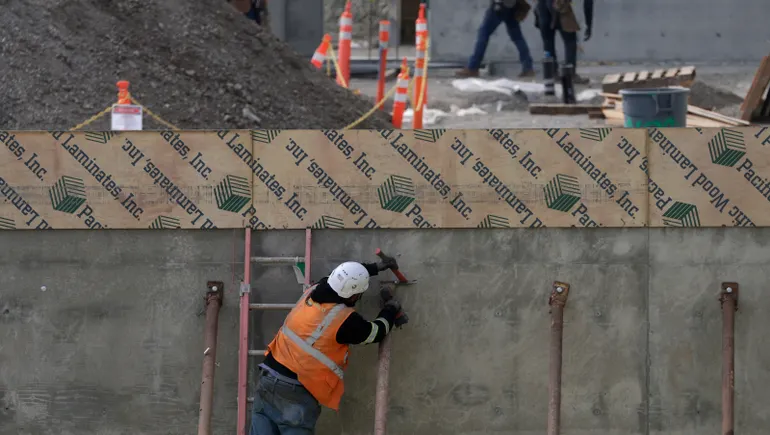
In 2026, overall activity in the construction industry is expected to slow, but demand in specific sectors such as data centers and infrastructure remains strong. Material costs are expected to rise moderately by 2% to 4%, with tariff policies remaining the biggest uncertainty. Falling interest rates are expected to bring a delayed positive effect, while manufacturing investment is becoming more rational.

NAR's sustainability survey of commercial real estate brokers found that although most brokers agree on the value of energy efficiency and green building features, only 13% of respondents' commercial information exchange (CIE) systems have green data fields, and most brokers rarely encounter such properties. The survey also shows that tenants are highly interested in green amenities, but buyers and tenants still regard hard costs as the primary consideration.