


Latest news

In an era of rapid technological iteration and market volatility, construction project teams face pressure to lock in budgets early, yet high-quality cost estimates require time and professional judgment. This article analyzes how key variables such as labor scarcity, material price fluctuations, and insufficient bidding competition lead to cost deviations, and emphasizes enhancing estimate reliability through cross-disciplinary collaboration and layered review, making them effective tools for strategic decision-making.
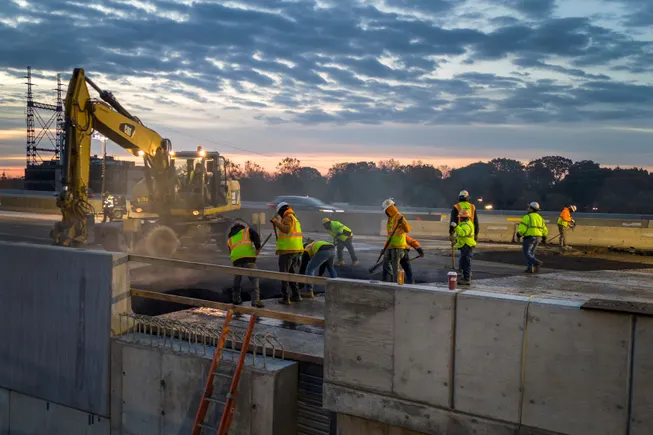
Accidents in U.S. road work zones are frequent, occurring on average every five minutes, with about 17 deaths per week. Industry leaders are calling on Congress to take concrete measures to improve work zone safety during the 2026 surface transportation bill reauthorization.

The U.S. Environmental Protection Agency (EPA) revoked the 2009 greenhouse gas endangerment finding earlier this year, a move that could simplify federal permitting for large projects, but legal challenges and differences in state-level regulations bring new uncertainty to the construction industry. This article interviews two construction law experts to analyze the policy's impact on project approvals, contract risks, and industry prospects.

A federal jury ordered Cemex to pay $5 million to a California truck driver who accused the company of racial and disability discrimination. The jury found Cemex violated Title VII of the Civil Rights Act of 1964 and California law, constituting a hostile work environment, but did not support contract discrimination claims. Cemex said it is evaluating next legal steps.
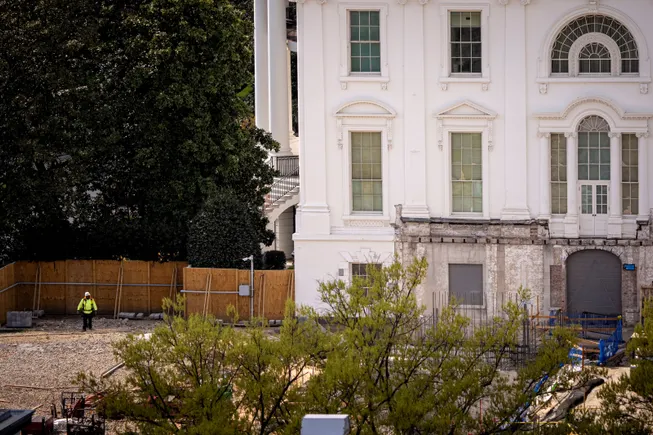
New developments have emerged in the legal dispute surrounding President Trump's White House ballroom construction project. On April 16, Senior U.S. District Judge Richard Leon, who is overseeing the case, revised the previous stop-work order, clarifying that only above-ground construction of the ballroom is suspended, while underground work involving national security upgrades may proceed. Previously, the U.S. Court of Appeals for the D.C. Circuit voted 2-1 to allow the work to temporarily continue and instructed Judge Leon to promptly clarify the relationship between the injunction and the security exception.
When pursuing growth, contractors are often exposed to significant losses due to mismatches among contract terms, risk allocation, and insurance coverage. Based on industry practices, this article analyzes key stages such as bid-stage review, understanding of indemnity clauses, adjustments to insurance programs, and risk management of subcontractors, emphasizing the value of early collaboration and professional advisors to help contractors achieve sustainable growth.
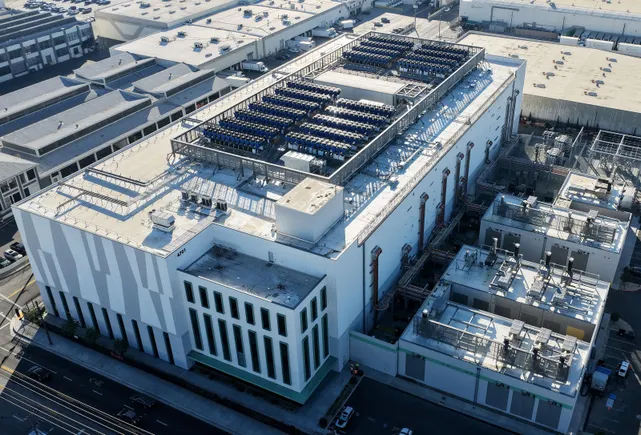
Amid the data center construction boom, developers need to clarify construction contract strategies early in the project. This article explores the differences between EPC and design-build contracts, key terms in design and procurement agreements, common pitfalls such as delay damages and tariff risk allocation, and recommends balancing flexibility and risk control through a master agreement combined with phased authorizations.
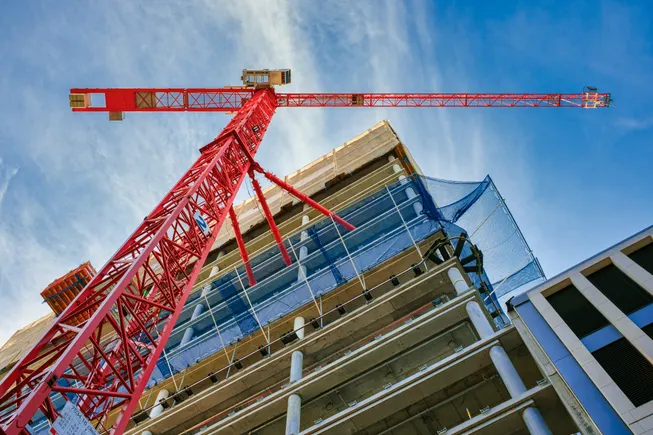
American city skylines continue to extend upward, but the liability risks associated with high-rise construction are significantly higher than those of ground-level projects. Based on the industry insights of trial lawyer Ken Fulginiti, this article outlines common disputes in fall accident litigation, the scope of liable parties, and the importance of systematic protective measures.

Productivity growth in the construction industry has long lagged behind, and contractors are actively embracing technology, but startups need to provide solutions that truly fit industry needs, rather than relying only on concepts.
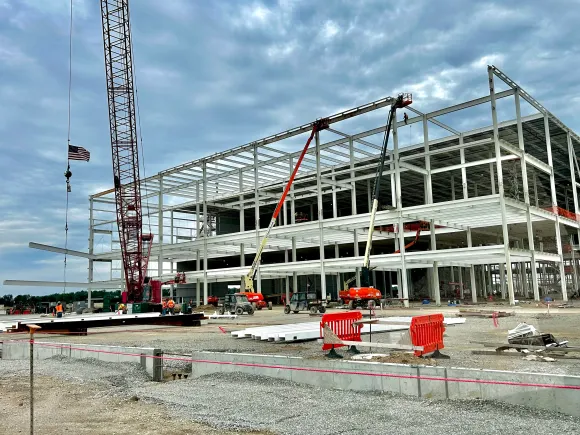
Detroit-based builder Walbridge, on Ford's $2.5 billion manufacturing facility project in Marshall, Michigan, partnered with Grand Rapids-based Woodchuck, using an AI-driven waste sorting platform to achieve 40% of the project's expected material savings in the first three months of collaboration, with plans to divert 8,000 tons of wood and 1,000 tons of cardboard, plastic, and metal from landfills over the project's duration.