


Latest news
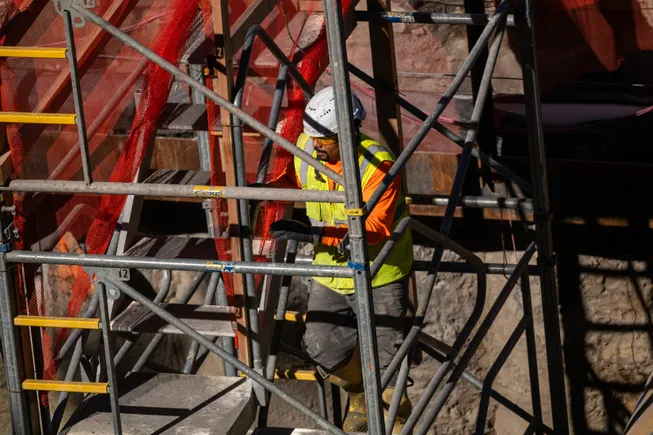
Judge Jeannette Vargas of the U.S. District Court for the Southern District of New York issued a permanent injunction prohibiting the U.S. Department of Transportation (DOT) from withholding funds for the Hudson Tunnel project on the basis of the Disadvantaged Business Enterprise (DBE) program. The ruling overturned the funding freeze implemented by the Trump administration on September 30, 2025, and noted procedural violations by the DOT. The Gateway Development Commission, the project's oversight body, stated that the ruling removes legal uncertainty and allows construction to proceed.
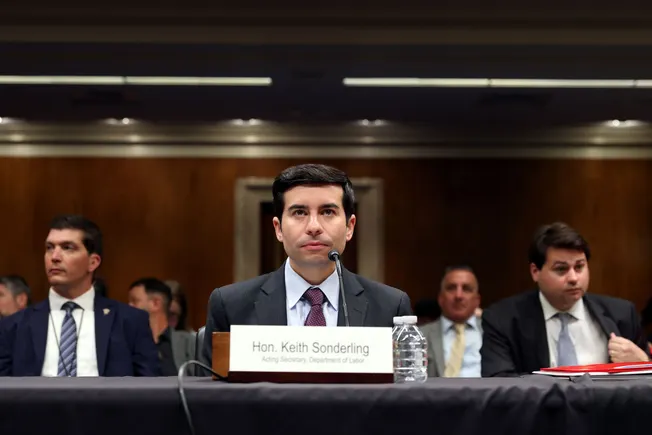
U.S. President Trump announced via social media on Monday his plan to nominate Keith Sanderlin as Secretary of Labor. Sanderlin previously served as Acting Secretary, succeeding Lori Chavez-DeRemer, who resigned amid an investigation. He advocates for employer-friendly regulations, self-audit programs, and AI workforce compliance, and if confirmed by the Senate, he will advance the President's agenda.

According to the latest data from the U.S. Bureau of Labor Statistics, construction job openings increased to 298,000 in May, the highest level since 2026, up 32,000 month-over-month and 76,000 year-over-year. However, economists point out that slowing hiring and rising layoffs indicate that overall labor demand has weakened, except for data center-related positions.

As the U.S. approaches its 250th anniversary, Pell Grant eligibility expands to trade and technical programs, addressing skilled trades shortages. Chris Nelson of Stanley Black & Decker discusses the impact on workforce development and economic leadership.
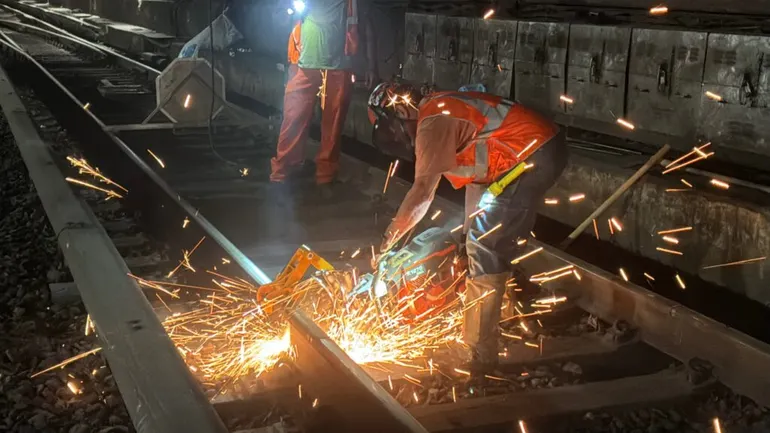
At a June progress update meeting, Amtrak revealed that the second tube of the East River Tunnel will be delayed until August due to ceiling void issues, but the overall $1.6 billion renovation project remains on schedule for completion in 2027.

Report: U.S. Military Research Facilities Severely Aging, Urgently Need Special Funding for Upgrades
An internal report from the U.S. Department of Defense, aimed at senior leadership, warns that a significant proportion of its research facilities were built before the advent of the internet, and without upgrades, the United States may fall behind in the global innovation race. The report recommends establishing special funding, raising the cap on construction projects that can be undertaken without authorization, and creating a department-wide research infrastructure database.
Community opposition is becoming an emerging risk for data center contractors. At least 75 projects (valued at approximately $130 billion) were delayed or blocked for this reason in the first quarter of 2026. Legal experts suggest that contractors should clarify the project approval status before signing, include community protests in force majeure clauses, and maintain detailed records to address potential work stoppages.

On May 18, 2026, two construction workers in Chester County, Pennsylvania, died when a truck entered a work zone. In 2024, the U.S. still recorded 850 work-zone fatalities. Brian Kleiner, Dean of the Myers-Lawson School of Construction at Virginia Tech, writes that the industry should move beyond personal protection toward systematic hazard elimination and automation to achieve the goal of zero fatalities.
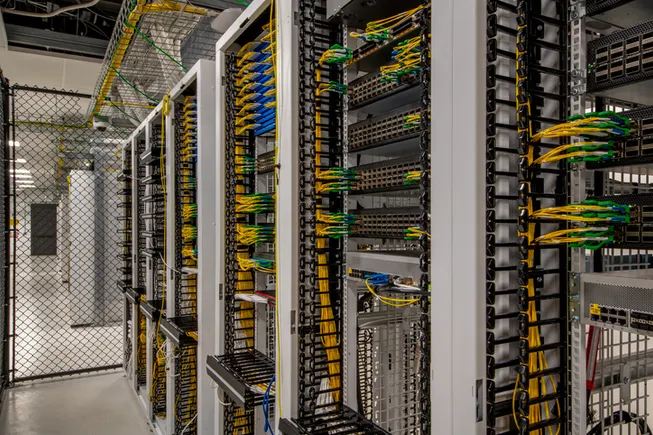
The United States faces an electricity affordability crisis with rapidly growing power demand, making data center load flexibility crucial. Duke University research shows that modest reductions in peak demand can significantly lower electricity prices. EPRI's pilots and analyses indicate that flexibility can accelerate data center grid interconnection and enhance system reliability. Experts across sectors call for standardized protocols to resolve control disputes, achieving win-win outcomes.
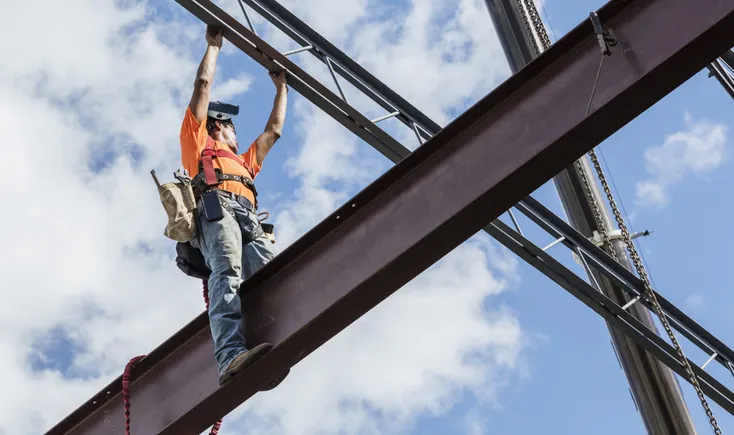
Large construction sites commonly issue two-way radios only to management, leaving frontline workers unable to report issues or receive alerts in real time, resulting in an average delay of 11 minutes per incident and about 120 lost work hours per day. This article dissects the true cost of this communication gap and explores how dedicated all-hands communication devices like Walt by Weavix, with features such as subscription models and AI translation, are changing the status quo.