


Latest news
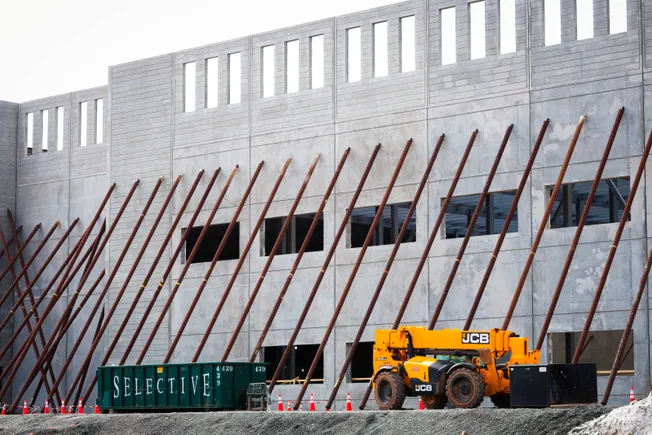
A latest research report from Bank of America indicates that the rapid expansion of AI data centers is reshaping the US electricity demand landscape. Over the next five years, the US needs to add more than 230GW of generation capacity, but regulated utilities are expected to add only about 93GW of certified supply, leaving a gap of over 100GW. Data center loads could reach 125GW, driving a 4.1% compound annual growth rate in electricity demand from 2026 to 2030. Tight supply of large gas turbines is prompting developers to turn to on-site gas engines, while utilities are extending coal plant operations, deploying batteries, and advancing transmission upgrades.

Construction contracts typically require contractors to provide specific insurance coverage for upstream parties such as owners and general contractors, and this obligation often extends to umbrella or excess liability insurance. However, excess policies marked "follow form" do not automatically replicate the underlying policy terms, and their own wording differences can create coverage gaps, contractual breaches, and balance sheet risks. This article outlines seven common risk points, reminding contractors and brokers to verify policies layer by layer rather than assuming coverage automatically flows through the entire liability tower.
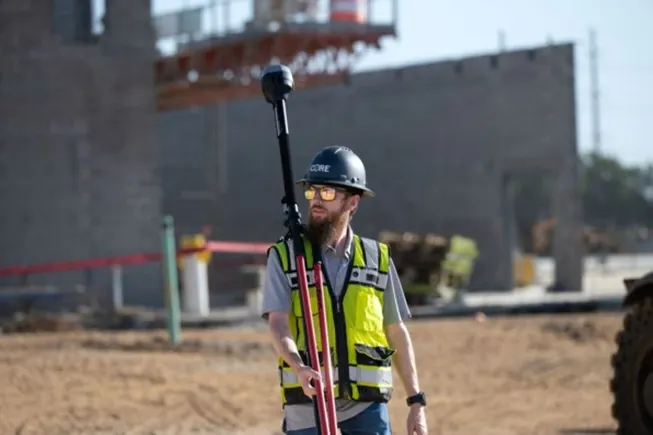
CORE Construction puts Emlid centimeter-level GNSS receivers directly into the hands of field superintendents and project engineers for immediate self-checks on critical steps. Before one concrete pour, a superintendent found all anchor bolts offset by about 6 inches, and timely correction saved significant costs. This tool serves as an internal verification method, compensating for the limitations of drone aerial surveys in detail validation and reducing temporary reliance on external surveyors. The company is currently beta-testing across three regions, with plans to establish a standardized deployment framework by summer 2026.
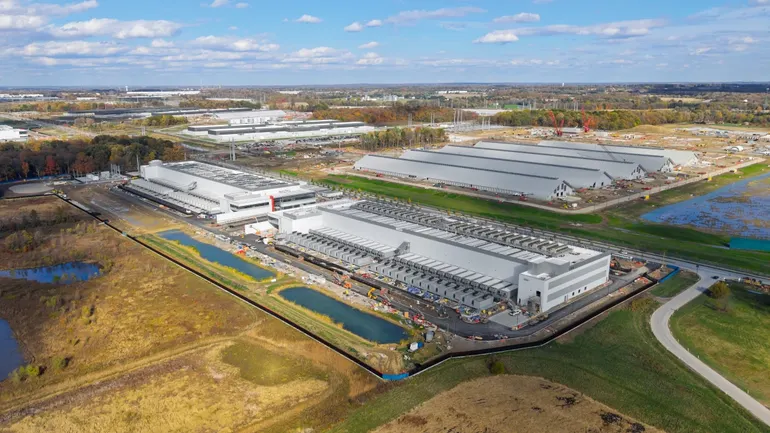
New Construction Challenges and Response Strategies Arising from Accelerated Data Center Development
The pace of data center construction is accelerating, but the difficulty of planning, permitting, and delivery is rising in tandem. Power and water issues are drawing regulatory and community attention, with approval times extending from under a year to several years. The construction phase faces material delivery delays, price fluctuations, and labor shortages. While modularization and prefabrication can compress schedules, they reduce tolerance for errors. Through construction technologies such as reality capture, digital documentation, and deviation analysis, project teams can improve on-site visibility, identify deviations and coordination issues early, and maintain decision-making certainty amid accelerated progress.
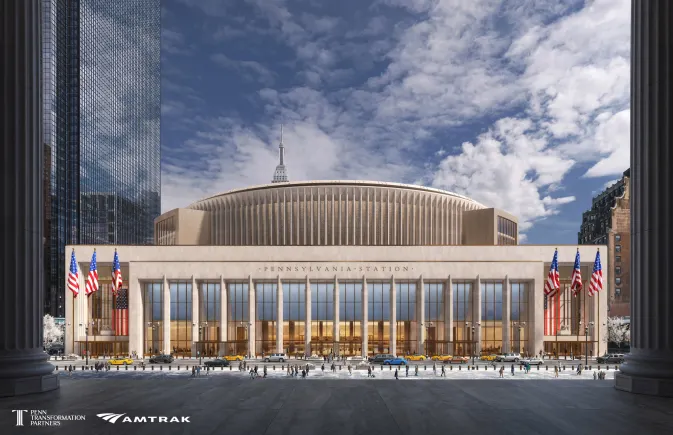
Skanska's Q2 orders rose 20% year-over-year to SEK 68 billion, a record. The US market contributed SEK 39.5 billion, with robust demand for data centers and infrastructure. The company said material price fluctuations and the impact of New York's data center ban are manageable, emphasizing the high quality of its order backlog.
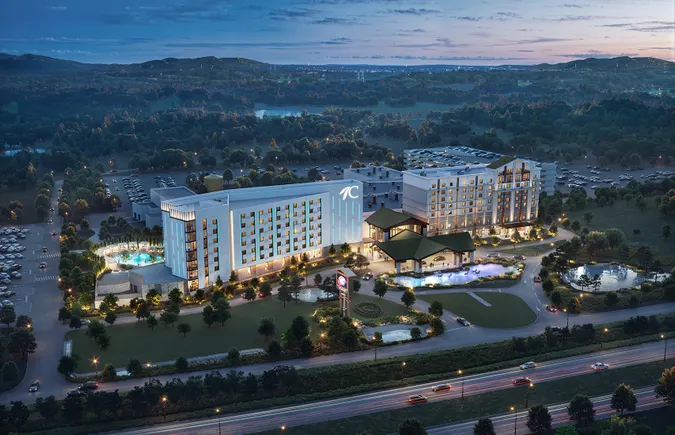
Tutor Perini's construction subsidiary has won a $140 million contract for the renovation and expansion of an Oklahoma casino, including a new seven-story, 130-room hotel tower.
Google announced on Tuesday that it has signed an agreement with Cypress Creek Energy to invest in and purchase electricity from Steel River Energy Center, the largest solar facility in the United States. Located in Mississippi County, Arkansas, the project integrates solar and energy storage and is expected to be fully operational by 2029. Google will serve as the anchor investor and offtaker, with the first two phases of the project providing 1.6 gigawatts of direct current solar power and 1.9 gigawatt-hours of energy storage.

This edition of Punch List focuses on key developments in the construction industry this week: New York State's suspension of new data center permits triggers industry backlash, and Micron Technology pours first concrete for its $100 billion chip campus in New York State. Additionally, the National Building Museum's summer exhibition "Playground" officially opens, Tutor Perini's subsidiary Lunda announces three infrastructure projects, PCL expands its data center leadership, and Skanska forms a digital transformation team to promote AI applications.
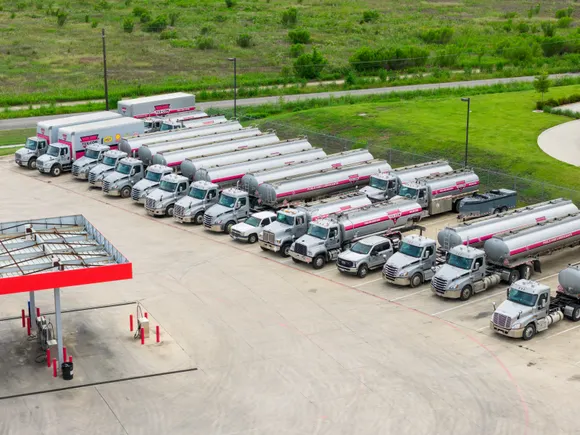
ABC data shows that construction input prices fell 1.1% month-on-month in June, mainly driven by lower oil prices, but the Iran conflict has pushed up oil prices and prices of tariffed goods such as steel and copper, and costs are expected to climb again in the coming months.
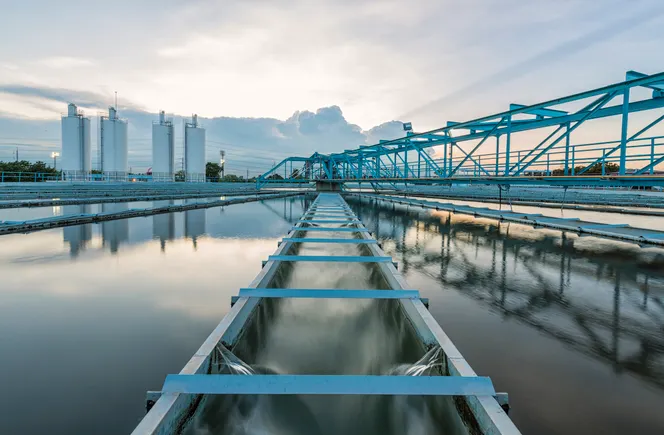
The U.S. House Committee on Transportation and Infrastructure unanimously passed the Water Resources Development Act of 2026 on Tuesday, which proposes to provide large-scale federal funding for local water projects, including over $30 billion combined for the Clean Water and Drinking Water State Revolving Funds, and authorizes 133 new feasibility studies. The bill aims to accelerate project approvals and strengthen cooperation between local entities and the U.S. Army Corps of Engineers, but faces challenges such as the impending expiration of infrastructure law funding.