


Latest news
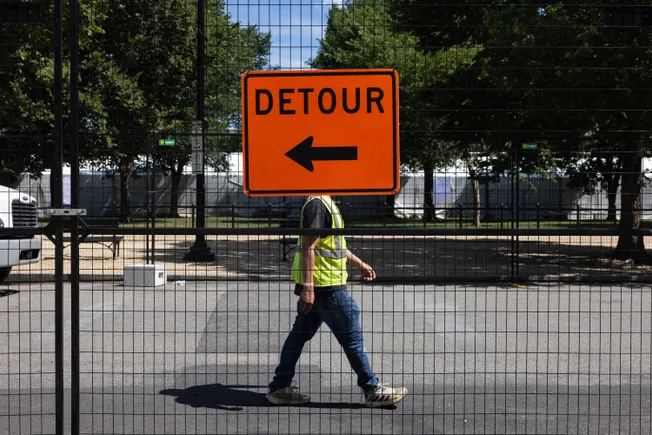
Construction job openings rose 36% year-over-year to 305,000 in June, but the hiring rate declined, indicating contractors face difficulties filling specific positions. Experts attribute this to skill mismatches, a wave of retirements, and tightened immigration policies.

Fenner Gap Mutual Water Company, an affiliate of Los Angeles water infrastructure company Cadiz, has signed maximum-price construction contracts with W.M. Lyles and Mike Bubalo Construction for the Northern Pipeline conversion project. The project will convert a 220-mile natural gas pipeline into a water conveyance system, with total cost estimated at $403.3 million.

Based on data released by the U.S. Census Bureau in August, total construction spending in June decreased by 3.2% year-over-year, and private nonresidential spending fell by 4.7% year-over-year, but data center construction continued to support the industry. The chief economist at ABC noted that private nonresidential spending has declined by more than 7% since its peak in April 2025, while AGC urged the federal government to renew infrastructure funding to avoid a significant downturn in highway construction.
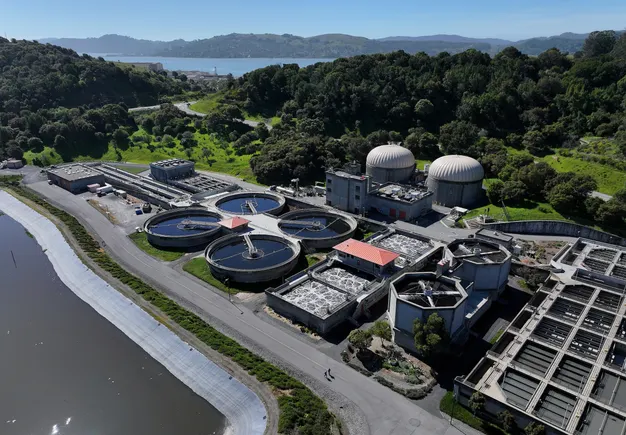
The U.S. Federal Bureau of Investigation (FBI) issued a notice on July 30 stating that malicious cyber actors have targeted programmable logic controllers (PLCs) in water and wastewater treatment systems across at least 7 states, with some attacks causing degraded water treatment operations. Minnesota confirmed that over 30 community water systems were affected by malicious cyber activity, while Michigan reported 9 water systems attacked but operations remained safe. The FBI and the Cybersecurity and Infrastructure Security Agency (CISA) recommend that water agencies disconnect PLCs from the internet, enable password protection, and restrict remote access.
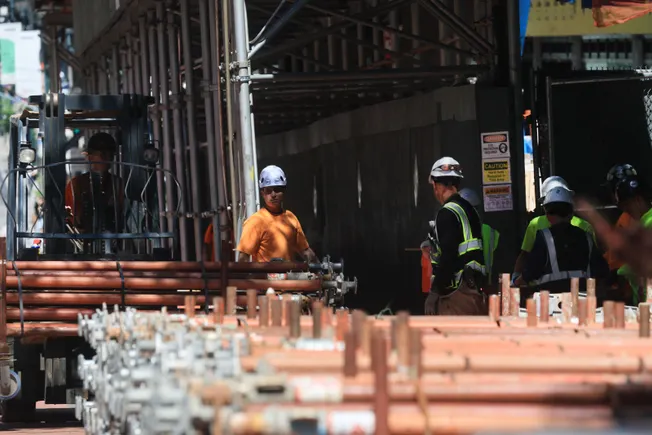
New York City has recently strengthened inspections of office building renovation projects following structural accidents, leading to work stoppages at multiple sites. Experts say that while this strict review is expected, its scale is unprecedented. Engineers note that under such meticulous inspections, it is almost impossible to find buildings without violations.
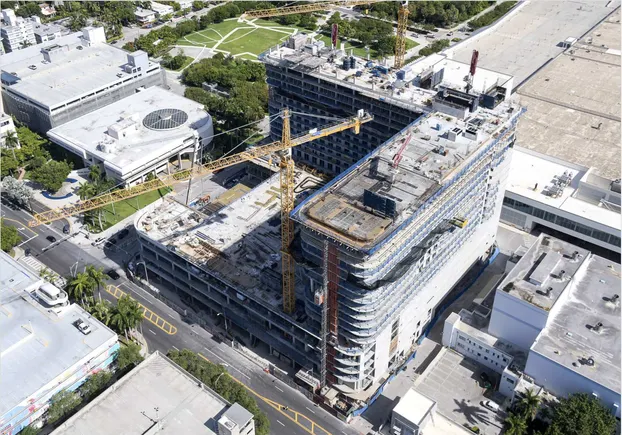
The U.S. subsidiary of London-based Balfour Beatty announced that the newly constructed 800-room, 17-story Grand Hyatt hotel in Miami Beach has achieved structural topping out. The project, with a contract value of approximately $385 million, is adjacent to the Miami Beach Convention Center and is expected to supplement meeting and banquet space, boosting the local convention and exhibition economy.
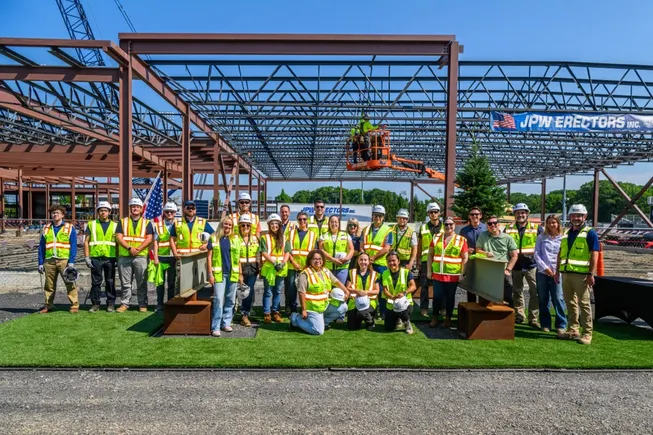
Turner Construction has topped out the $64 million Applied Technology Education Center at Hudson Valley Community College in Troy, New York. The 130,000-square-foot facility will prepare students for careers in advanced manufacturing, semiconductor technology, and other growing industries. The project is slated to open in 2027.
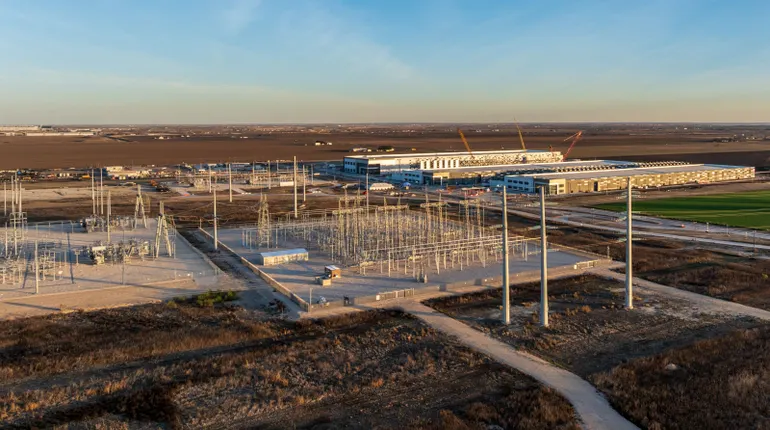
The Public Utility Commission of Texas (PUCT) last week approved a net metering arrangement for a 260 MW AI data center co-located with a wind farm of approximately equal capacity, providing a reference template for other co-located loads in the state. The data center is the second project planned at the site, and the developer had argued it should not be subject to the same curtailment requirements as the first project, but the commission rejected this argument. Under the July 23 order, the data center must curtail its entire load within 30 minutes during grid emergencies, if necessary via physical circuit breakers, and is prohibited from participating in paid demand response related to the arrangement.
Economic warning signals in the construction industry are flashing frequently, but most companies turn a blind eye to the dangerous signs in their own financial indicators. This article, written by Chris Coleman, head of the construction services group at RubinBrown accounting firm, proposes specific suggestions such as establishing a monthly settlement process, tracking project losses, monitoring unbilled work and change orders, and being alert to abnormal bidding, to help companies respond to market downturns in advance.

Traditional Type I safety helmets only protect against top impacts, which are no longer sufficient for the complex risks of modern construction sites. Type II safety helmets add lateral protection and are becoming a new trend in North American construction safety. The article analyzes their technical features, market drivers, comfort, and dual-certification value, and points out the clear direction of the industry's evolution toward more comprehensive head protection.