


Opinion

Construction promotes from the field more than almost any industry, which is a real strength but also why many executives quietly believe they do not belong in their jobs. Martha Fernandez, a licensed clinical social worker, describes the distinct pattern of impostor syndrome she sees in people who came up through the trades. She cites a 2026 Cerevity report, The Leadership Mental Health Index, along with DDI and Deloitte research showing leaders are struggling. Impostor feelings are a business risk, leading to overwork, reluctance to delegate and a failure to escalate problems early. Fernandez recommends naming the transition to executive leadership, normalizing basic questions, and offering confidential support outside the company.
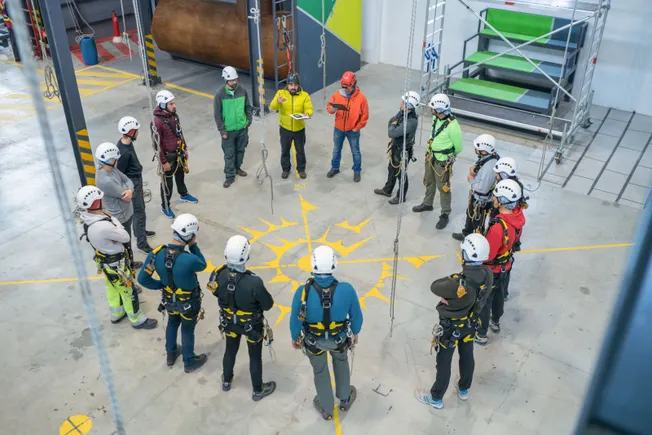
The construction industry needs to attract 349,000 net new workers this year alone, and 87% of contractors have openings for hourly craft workers. While recruiting is crucial, David Grandstaff, Midwest president for Adolfson & Peterson Construction, emphasizes that the industry must focus on developing and retaining new hires. He advocates for looking within existing ranks to fill leadership roles, providing hands-on mentorship and coaching, and creating clear career paths. As technology and AI reshape construction, the human skills of judgment, experience, and collaboration remain essential. Grandstaff concludes that long-term success depends on what employers do with employees' potential after they are hired.

In this opinion piece, DeAnna Thomas, VP of HR at Associated Builders and Contractors, argues that the opioid overdose epidemic is a workforce issue requiring workplace preparedness. Citing CDC data of over 70,000 drug overdose deaths in 2025 and National Library of Medicine statistics that over 70% of adults with substance use disorder are employed, she calls for employers to stock naloxone, share the 988 lifeline, pursue Recovery Friendly Workplace certification, review policies, and expand benefits. She outlines five practical steps and stresses that leadership culture determines whether employees feel safe seeking help.

Elliot Powell, director of data and AI at Pacific Pile & Marine, shares how implementing an AI platform exposed underlying data inconsistencies rather than fixing them. The real challenge was agreeing on basic data definitions like file naming and folder structure. Powell advocates piloting standards on a single project, defining authoritative data, and training for adaptability over technical skills.

In an article for construction firms, consultant Matt Verderamo outlines three leadership tiers: stabilization, where teams struggle to work on the business without significant support; optimization, where leaders can advance initiatives but struggle to see the future beyond one to five years; and maximization, where executive teams consistently turn long-term vision into reality. Using examples from contractors ranging from $17 million to $350 million, Verderamo shows how companies can progress through tiers and even regress depending on market conditions. He advises leaders to assess their team's ability to advance initiatives, see the future, and tackle complex problems to determine their tier and start developing skills to move up.

Ahead of Labor Day 2026, Swinerton's national retirement plan manager Lana Smith writes about her 28 years of experience with employee ownership, noting that there are fewer than 6,500 ESOPs nationwide, with the construction industry accounting for nearly one-fifth. She believes employee ownership enhances company quality and employee well-being, and calls for expanding ESOP coverage.

By analyzing a steel column buckling incident during the renovation of a 37-story building in Manhattan, this article points out the systemic deficiencies in document continuity and asset identity tracking within the construction industry. The author proposes that buildings need a persistent identity identifier similar to vehicle identification numbers and Carfax reports, to connect records, inspections, permits, and renovation information throughout their entire lifecycle, avoiding historical discontinuities caused by personnel turnover or system changes.

On July 28, a federal court in Texas ruled that race-based provisions in the minority and small business contracting programs of the City of Houston and the Midtown Management District are unconstitutional and permanently enjoined their enforcement. The ruling, based on the Supreme Court's 2023 logic in education affirmative action cases, may trigger more challenges to state and local MWBE programs. Meanwhile, federal DBE programs have eliminated race and gender presumptions through an interim final rule, while states such as New York and Illinois are still expanding or maintaining their own MWBE programs. Contractors face conflicting compliance requirements in mixed-funding projects and need to adopt prudent strategies.

With budget cuts at FEMA and NOAA, architecture, engineering, and construction firms face reduced federal support during the 2026 hurricane season. This article analyzes key funding changes, impacts on the industry, and proposes six recommendations to enhance operational resilience.
Economic warning signals in the construction industry are flashing frequently, but most companies turn a blind eye to the dangerous signs in their own financial indicators. This article, written by Chris Coleman, head of the construction services group at RubinBrown accounting firm, proposes specific suggestions such as establishing a monthly settlement process, tracking project losses, monitoring unbilled work and change orders, and being alert to abnormal bidding, to help companies respond to market downturns in advance.