


Opinion
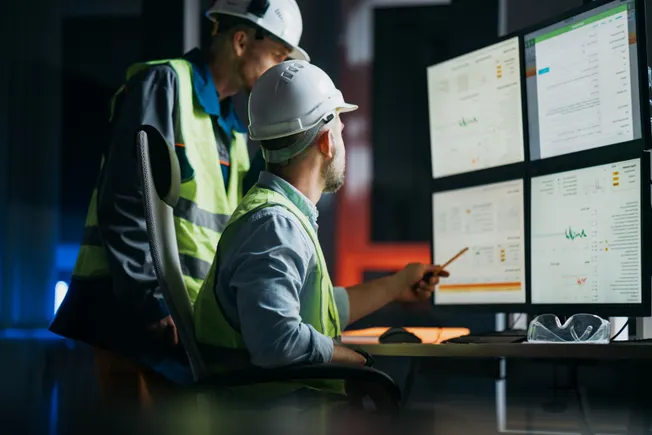
The construction industry has long faced operational fragmentation, and introducing AI without a unified data foundation will only create more chaos. Palantir deployment expert Jesse Velay-Vitow and technical lead Jonas Lang write that the solution lies in establishing an enterprise-level ontology—a digital model that reflects how the company actually operates. This model must cover the entire company, adapt to blue-collar workers, augment rather than replace human labor, and reintegrate business functions. Through collaborations with partners such as McCarthy Building Cos., Thomas Cavanagh, and Lennar, they summarize the specific application value of ontology in scenarios such as time cards, equipment management, contracts, and procurement.

Sales interviews with over 180 mid-sized construction contractors show that nearly half focus on attendance efficiency, but only 4% are aware of compliance risks. The U.S. Department of Labor recovered over $259 million in back wages in fiscal year 2025, with a single enforcement action in the construction industry involving over 3,000 investigations. Experts point out that the evidentiary power of time records in legal disputes is far more significant than most contractors imagine.

As the U.S. approaches its 250th anniversary, Pell Grant eligibility expands to trade and technical programs, addressing skilled trades shortages. Chris Nelson of Stanley Black & Decker discusses the impact on workforce development and economic leadership.

On May 18, 2026, two construction workers in Chester County, Pennsylvania, died when a truck entered a work zone. In 2024, the U.S. still recorded 850 work-zone fatalities. Brian Kleiner, Dean of the Myers-Lawson School of Construction at Virginia Tech, writes that the industry should move beyond personal protection toward systematic hazard elimination and automation to achieve the goal of zero fatalities.

On the fifth anniversary of the collapse of the Champlain Towers South, Florida structural engineer Greg Batista writes that periodic inspections alone can no longer address the risks of building aging. As technology costs decline and regulations evolve, continuous structural monitoring is becoming the industry's new standard, helping engineers shift from reactive to proactive prevention.

The construction industry has long faced challenges of low profit margins and slow productivity growth, with safety often viewed as a resource drain competing with schedule and cost. However, with the application of digitalization and AI technologies, the administrative burden of safety management has been greatly reduced, instead enhancing project efficiency and profitability. The author of this article argues that contractors who treat safety as a profit driver will gain a competitive edge in the coming decade.
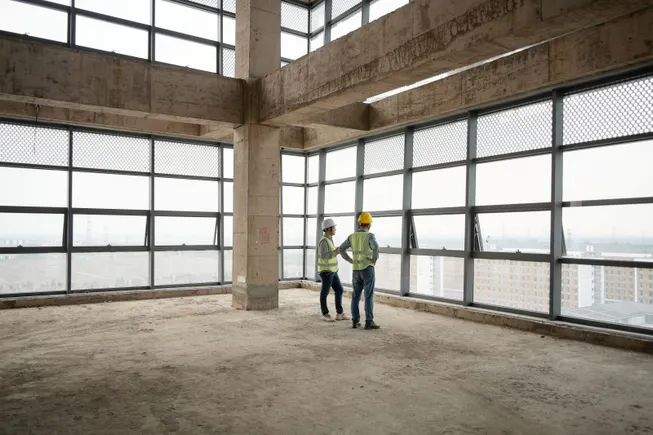
The fragmentation of the construction industry attracts private equity mergers and acquisitions, but vertical integration and affiliated structures may trigger conflicts of interest, governance deficiencies, and short-term pressures, requiring enhanced disclosure and independent oversight.
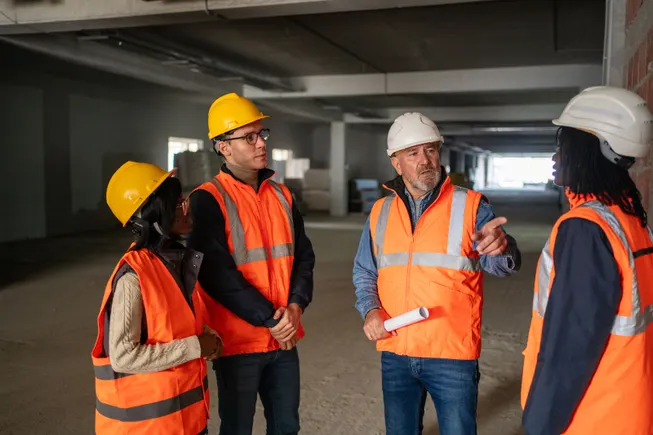
Construction companies often hit growth bottlenecks due to a lack of clear organizational structure. This article uses the case of a subcontractor with annual revenue of approximately $15 million to illustrate how, through internal talent assessment, role restructuring, and support system development, teams can be expanded and performance doubled without adding external hires.
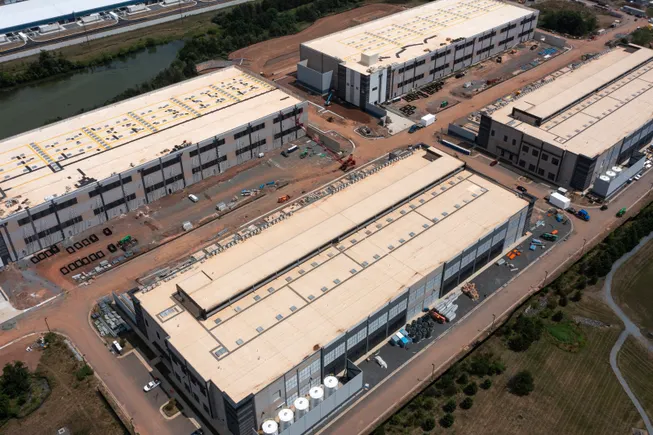
The data center construction market is well-funded, but project bottlenecks have shifted to community opposition and permitting approvals. Builders need to engage with communities early to alleviate opposition and ensure projects are delivered on time.
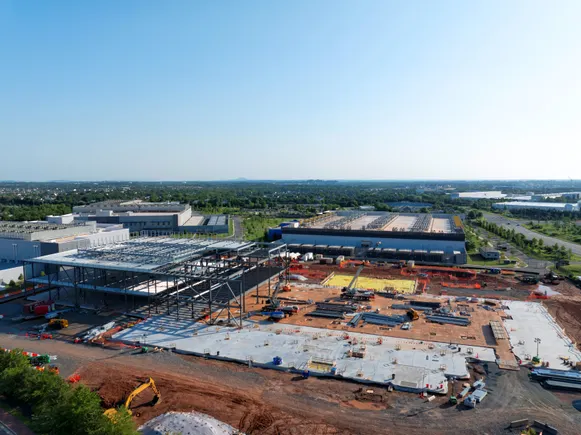
As the demand for data center construction surges, the construction industry faces the dual challenges of a skilled worker shortage and resistance to AI applications. This article analyzes the reasons behind worker resistance and proposes leveraging leadership guidance, a safe learning environment, and practical AI tool applications to drive the industry's transformation from traditional manual methods to digital collaboration, addressing future construction pressures.