


Legal/Regs
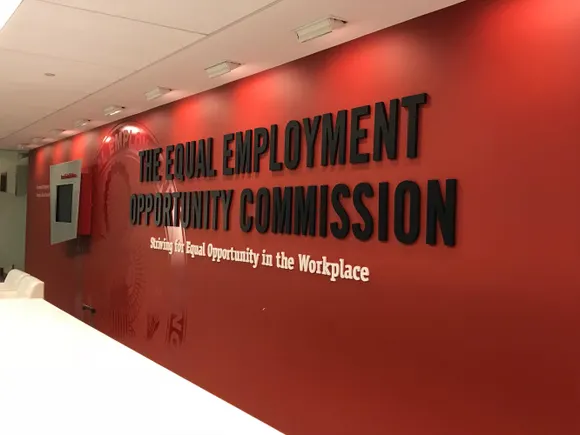
The EEOC filed a lawsuit Tuesday against Advanced Technology Group, Inc., alleging the company allowed Mexican colleagues at a Rio Rancho, New Mexico worksite to subject two American workers to 'anti-American' slurs, theft of tools, and mockery of their limited Spanish proficiency, constituting national origin discrimination in violation of Title VII of the Civil Rights Act of 1964. One worker was fired the day after escalating a complaint, with the company citing safety violations as the reason, but documents show the reason as 'argument.' EEOC Chair Andrea Lucas emphasized protecting all workers from anti-American bias.

Euna Solutions released Solicitation Advisor on April 29, an AI tool integrated into the Euna Procurement platform that automatically reviews draft RFPs before release, identifying vague language, conflicting criteria, and mismatches between evaluation standards and supplier information requirements, aiming to reduce the time and administrative burden of subsequent amendments.
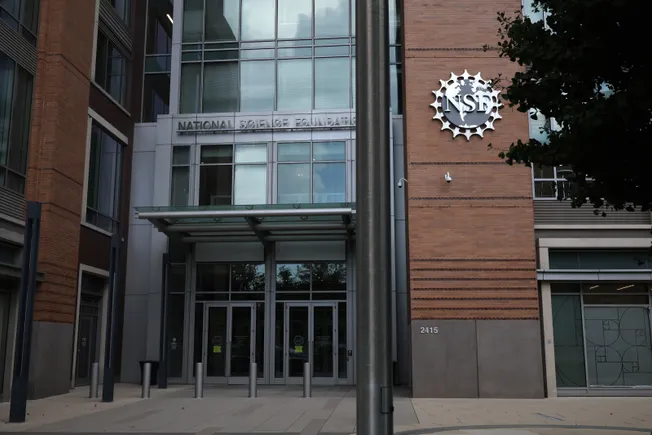
The American Society of Civil Engineers (ASCE) warns that the Trump administration's decision to dismiss the entire National Science Board could jeopardize U.S. innovation, infrastructure resilience, and public safety. In a statement, ASCE President Martha Anderson Bomar emphasized that research funded by the National Science Foundation (NSF) is critical to engineering design, seismic resilience, and extreme weather response.

The U.S. Environmental Protection Agency (EPA) revoked the 2009 greenhouse gas endangerment finding earlier this year, a move that could simplify federal permitting for large projects, but legal challenges and differences in state-level regulations bring new uncertainty to the construction industry. This article interviews two construction law experts to analyze the policy's impact on project approvals, contract risks, and industry prospects.
A federal jury ordered Cemex to pay $5 million to a California truck driver who accused the company of racial and disability discrimination. The jury found Cemex violated Title VII of the Civil Rights Act of 1964 and California law, constituting a hostile work environment, but did not support contract discrimination claims. Cemex said it is evaluating next legal steps.
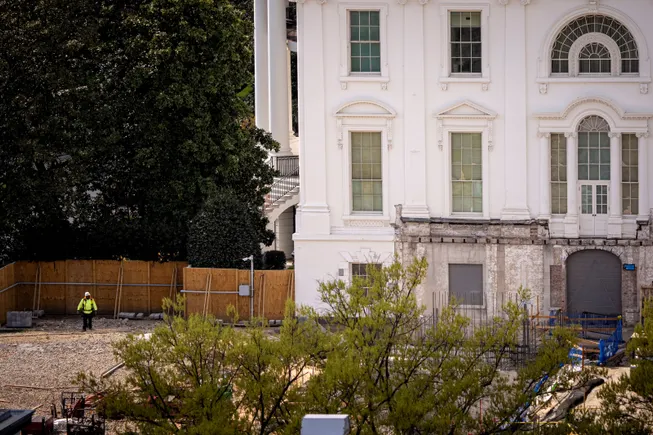
New developments have emerged in the legal dispute surrounding President Trump's White House ballroom construction project. On April 16, Senior U.S. District Judge Richard Leon, who is overseeing the case, revised the previous stop-work order, clarifying that only above-ground construction of the ballroom is suspended, while underground work involving national security upgrades may proceed. Previously, the U.S. Court of Appeals for the D.C. Circuit voted 2-1 to allow the work to temporarily continue and instructed Judge Leon to promptly clarify the relationship between the injunction and the security exception.

With the passage of the One Big Beautiful Bill Act, construction companies have regained the tax benefit of 100% bonus depreciation. However, amid IRS staff reductions and extended processing cycles, companies need to strengthen documentation management, use cost segregation studies prudently, and improve fixed asset ledgers to ensure deduction benefits are realized and reduce audit risk. This article offers four practical recommendations.
Starting March 19, Ohio will mandate the use of the federal E-Verify system for public works and non-residential contractors, with violators facing fines of up to $25,000 and a two-year bidding ban. This article outlines regulatory differences, compliance essentials, and legal risks across 25 states nationwide.
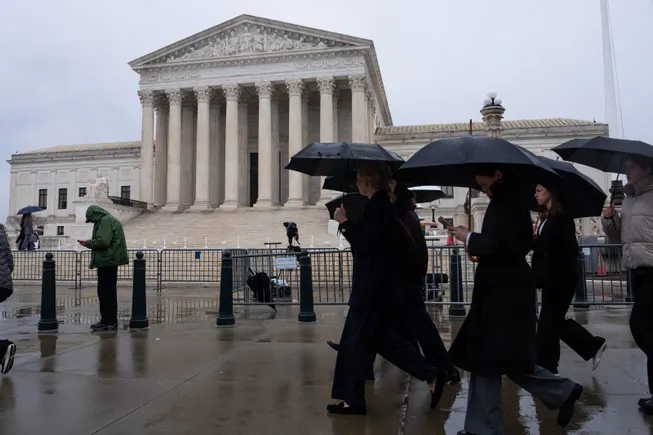
The U.S. Supreme Court ruled 6-3 that the Trump administration lacked the authority to impose global reciprocal tariffs under emergency powers, which may result in a moderate decrease in prices for building materials such as specialized equipment, HVAC systems, and electrical systems. However, the White House immediately stated it would seek alternative tariff tools, and tariffs on specific materials like lumber, steel, aluminum, and copper remain unaffected. Industry experts warn that the market may face a new round of uncertainty and a wait-and-see attitude.
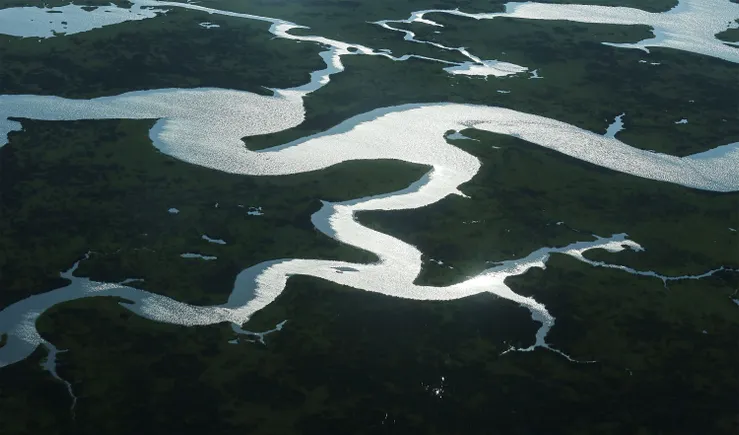
On November 17, 2025, the U.S. Environmental Protection Agency (EPA) and the U.S. Army Corps of Engineers (USACE) jointly issued a proposed rule to redefine the scope of "Waters of the United States" under the Clean Water Act. The new rule aligns with the Supreme Court's 2023 Sackett v. EPA decision, focusing federal jurisdiction on "relatively permanent, standing, or continuously flowing bodies of water," and includes significant exclusions for ditches, groundwater drainage systems, and others. If the rule is finalized, developers, consultants, and landowners will gain clearer jurisdictional determination standards, but pre-project environmental assessment processes may also be adjusted accordingly.