


Safety
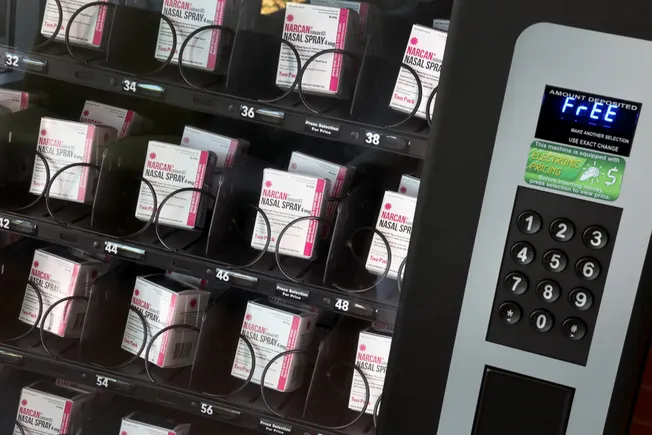
The U.S. Department of Labor's Occupational Safety and Health Administration (OSHA) issued a fact sheet providing practical information for workplaces to recognize and respond to opioid overdoses. The guidance is part of the Trump Administration's Great American Recovery Initiative. White House Drug Czar Sara Carter emphasized the importance of overdose recognition and reversal, thanking DOL for informing employers about life-saving treatments like naloxone. The fact sheet recommends keeping reversal medications on hand, treating overdose kits like first aid, educating workers on symptoms, and training them to administer medication safely. This comes as nearly 1 in 5 workers tested positive for drug use in 2025, according to Quest Diagnostics, with opiate use highest among healthcare workers. Employers also face legal risks, as shown by an $80,000 EEOC settlement with a software company that allegedly fired an employee for opioid addiction treatment.
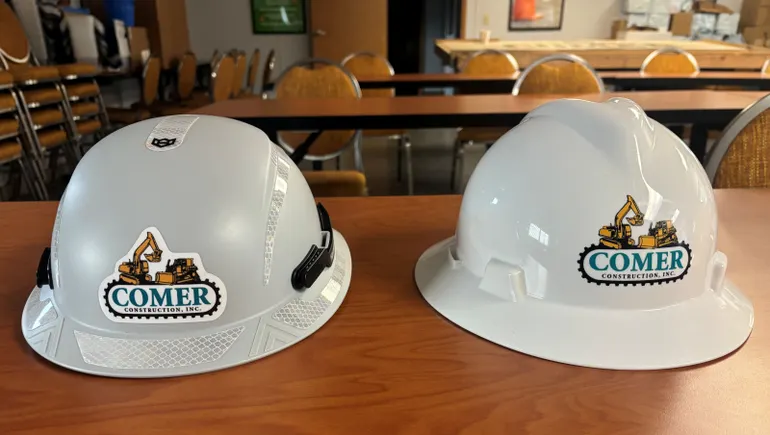
A Maryland contractor, Comer Construction, is partnering with North Carolina State University and the Job-Site Safety Institute to pilot Type II safety helmets on active jobsites. The program aims to understand the practical considerations, effectiveness, and feasibility of transitioning from traditional hard hats to Type II helmets, which offer better protection against falls and struck-bys. The initiative builds on previous research showing workers were largely unaware of the distinction between Type I and Type II helmets. While Type II helmets cost significantly more, early adopters see the safety benefits as worth the investment. The study seeks to create an authentic industry example of how to move from hard hats to Type II safety helmets.

In this interview, John Gaal Sr., director of worker wellness at the Missouri Works Initiative, discusses suicide postvention—the immediate support for friends, family, and coworkers after a suicide death. Gaal, who lost his son to suicide, shares his experience fielding calls from those in crisis and outlines key steps for workplaces: coordination, notification, communication, and support. He emphasizes the importance of the first hours to prevent contagion and offers guidance on language and protocols.
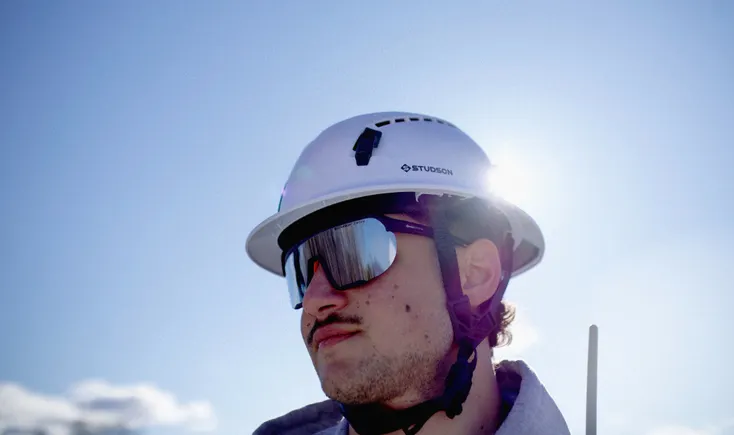
Traditional Type I safety helmets only protect against top impacts, which are no longer sufficient for the complex risks of modern construction sites. Type II safety helmets add lateral protection and are becoming a new trend in North American construction safety. The article analyzes their technical features, market drivers, comfort, and dual-certification value, and points out the clear direction of the industry's evolution toward more comprehensive head protection.
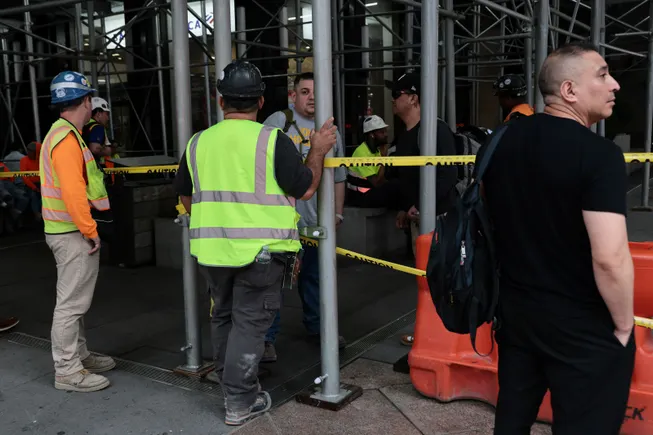
Regarding the structural column failure in the office-to-apartment conversion project at East 42nd Street in Manhattan, New York, Norma Jean Mattei, former president of the American Society of Civil Engineers (ASCE) and professor emerita at the University of New Orleans, noted in an interview with Construction Dive that retrofitting old buildings for residential use involves inherent risks, and the project type is 'very likely' one of the contributing factors to the failure. She also compared the incident to the 2019 Hard Rock Hotel collapse in New Orleans and shared her views on potential regulatory changes.

A high-rise building at 235 East 42nd Street in Manhattan, New York City, suffered steel column failure during renovation, causing nearby evacuations and road closures. The building has been initially stabilized, but legal experts predict that litigation over design, construction, and insurance is imminent.
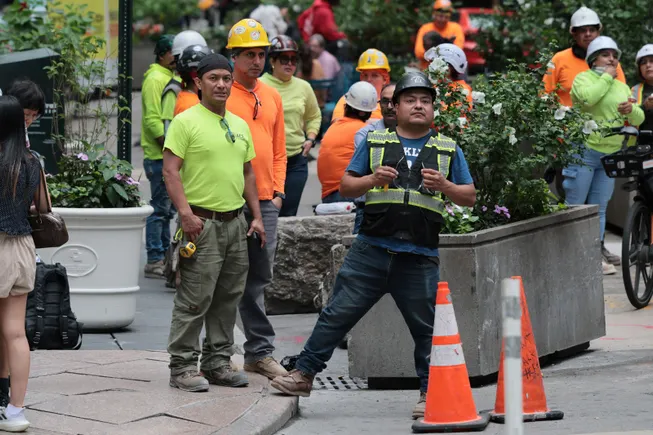
A structural beam was damaged at an office-to-residential conversion project on East 42nd Street in Manhattan, New York City, leading to evacuations and road closures. Officials said reinforcement has begun, and engineers warned that the top floors may have tilted.
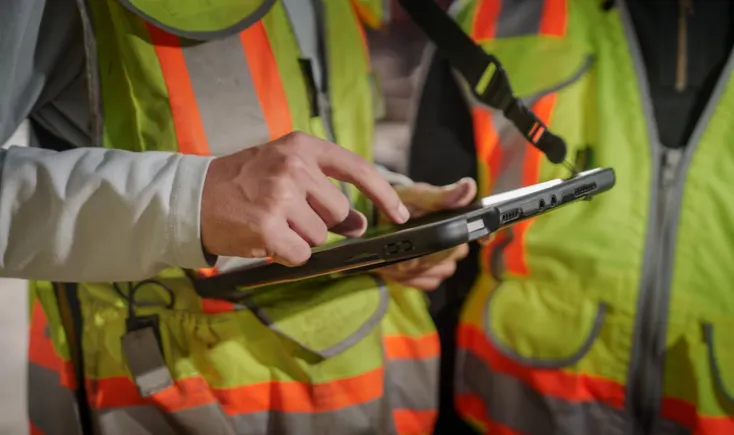
U.S. data center construction reached $77.7 billion in 2025, a 190% year-over-year increase, and owners' requirements for construction safety and compliance have significantly risen. Contractors must address new standards such as digital audits, personnel training records, and approval for high-risk operations, while also facing labor shortages and the challenge of experienced safety personnel being lured away by high-paying projects. Leading general contractors are delegating document management responsibilities to on-site crew leaders, forming a bottom-up data flow, and gradually promoting this model to commercial, healthcare, and industrial projects, making it a company-wide operational standard.
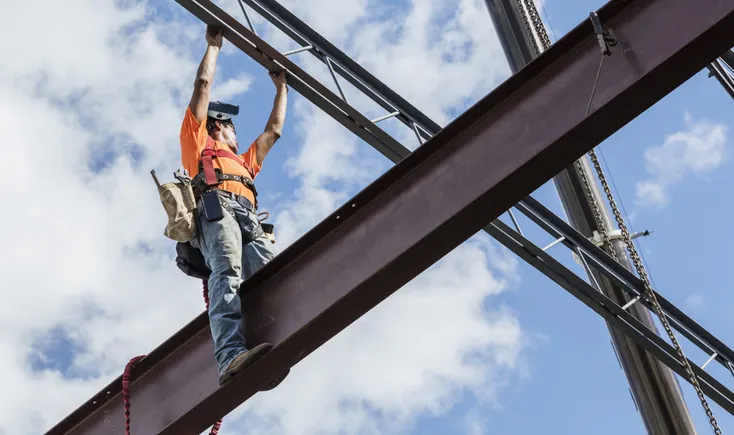
Large construction sites commonly issue two-way radios only to management, leaving frontline workers unable to report issues or receive alerts in real time, resulting in an average delay of 11 minutes per incident and about 120 lost work hours per day. This article dissects the true cost of this communication gap and explores how dedicated all-hands communication devices like Walt by Weavix, with features such as subscription models and AI translation, are changing the status quo.
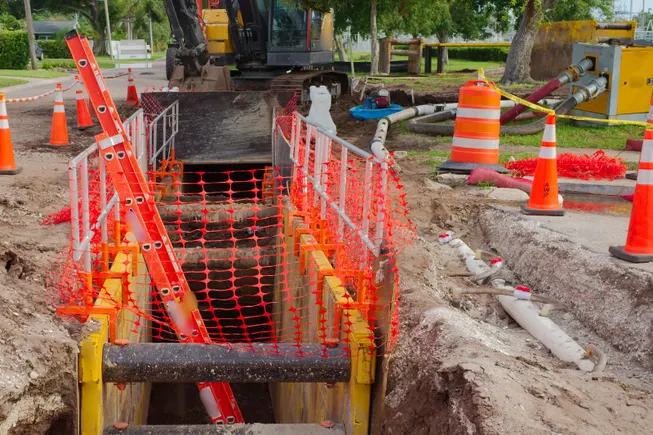
NUCA designates June as Trench Safety Month and plans to hold its annual trench safety stop work event at hundreds of job sites nationwide from June 15 to 19, including safety training, educational seminars, toolbox talks, and on-site rescue demonstrations. Supported by OSHA and the Trench and Excavation Safety Task Force, the event aims to address trench collapses, one of the most persistent risks in the construction industry.