


Labor

A Monday webinar marking Construction Inclusion Week 2026 showcased trade careers as a high-earning 'Plan A' for young workers. Moderated by Erin Bibo of Hire Local DC, panelists including carpenter apprentice Mysoun Patrick and journeyman electrician Toni Casey discussed financial benefits, early career advancement, and the importance of humility and hard work. The conversation aligned with CIW's evolved focus on workforce development.
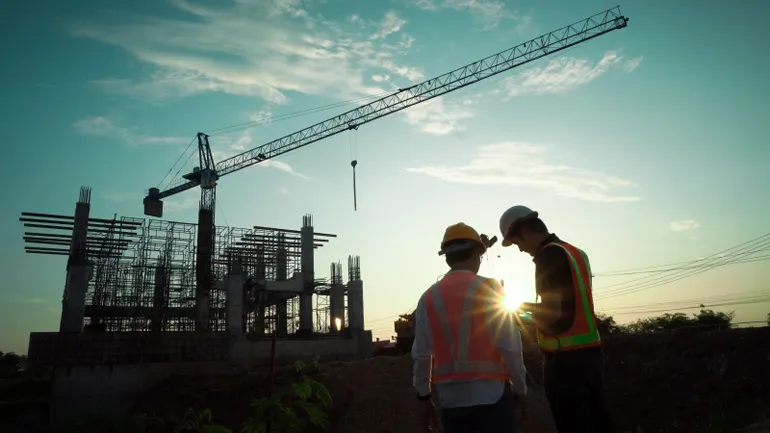
The Lowe's Foundation announced a partnership with several U.S. companies to establish the Building Futures Skilled Trades Alliance, aiming to add one million skilled trades workers by 2035 through training, changing perceptions, and establishing evaluation systems. This initiative echoes the investment plans of Meta and Google this summer, jointly addressing the industry's labor shortage.
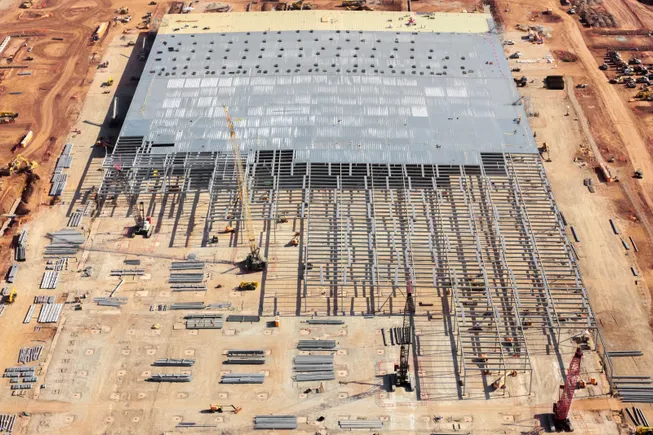
The latest report from Kelly Services Inc. shows that the data center industry is facing a severe shortage of skilled workers, especially in the construction, utilities, and telecommunications sectors. It is projected that by 2026, data center jobs will reach 650,000, a 30% increase from 2023, but 25% of employees are being poached by competitors. The report recommends that employers adopt skills-based hiring strategies and strengthen rapid upskilling programs.
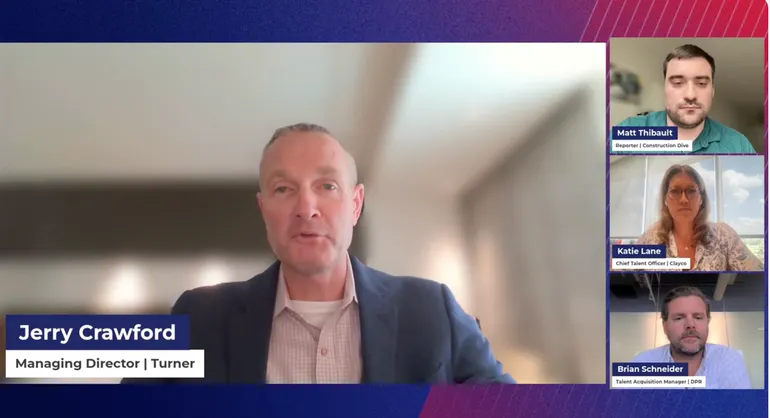
The data center construction boom has brought contractors a flood of orders while intensifying labor shortages. At the "Courting Construction" webinar hosted by Construction Dive on August 26, executives from Turner Construction, Clayco, and DPR Construction shared their talent recruitment and retention strategies, including localized hiring, employee retraining, and enhanced benefits for mobile workers.

According to U.S. Bureau of Labor Statistics data for July, both construction job openings and hires increased significantly, reaching 326,000 and 366,000 respectively, with month-over-month growth rates of 9.4% and 14.7%. Industry economists point out that robust demand from data center and power-related construction has driven improvements in the labor market, but future trends remain uncertain.

Gen Z employees in the construction industry, having grown up with digital devices, are adept at using technology. Through reverse mentoring, they are helping senior colleagues master field applications like Procore and Bluebeam, while also gaining valuable construction experience from their predecessors. This two-way learning model helps mitigate industry knowledge loss and promotes technology adoption.
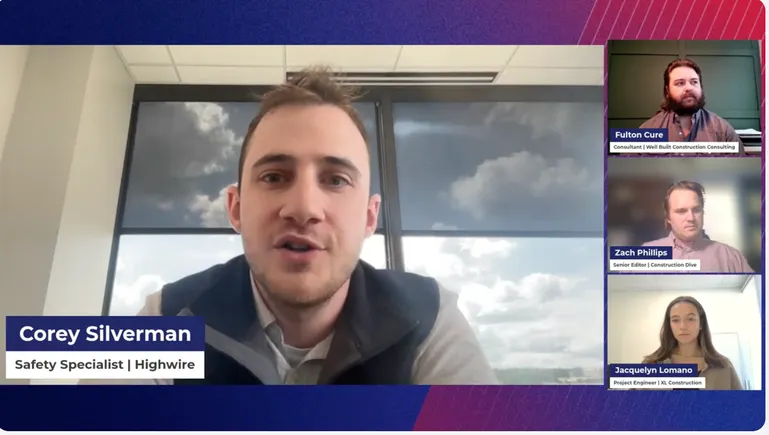
Gen Z professionals shared their views on construction at Construction Dive's online event: they see career advancement opportunities and professional fulfillment in the industry, while questioning traditional work models and emphasizing work-life balance. As senior leaders retire, construction faces a generational transition, making attracting and retaining young talent key.
Meta announced a new partnership with the North America's Building Trades Unions (NABTU) aimed at providing training support for skilled workers nationwide and developing registered apprenticeship programs related to data center construction. This move is Meta's latest effort to alleviate community concerns triggered by its large-scale data center projects in various locations. Previous surveys have shown declining public support for the pace of data center construction in the U.S., with over 300 localities having implemented bans or moratoriums.

U.S. senators have introduced new legislation to address the high suicide rate in the construction industry through nationwide research. The bill would authorize the CDC to collect data, analyze risk factors at employment, organizational, and individual levels, and submit policy recommendations within three years. The industry has already launched multiple mental health initiatives on its own.

Promotion to a senior executive is a critical moment in one's career, but new leaders often overlook the importance of self-awareness and honest communication. This article uses real cases and practical frameworks to analyze how new leaders can build team trust by acknowledging their shortcomings and actively seeking feedback.