


Infrastructure
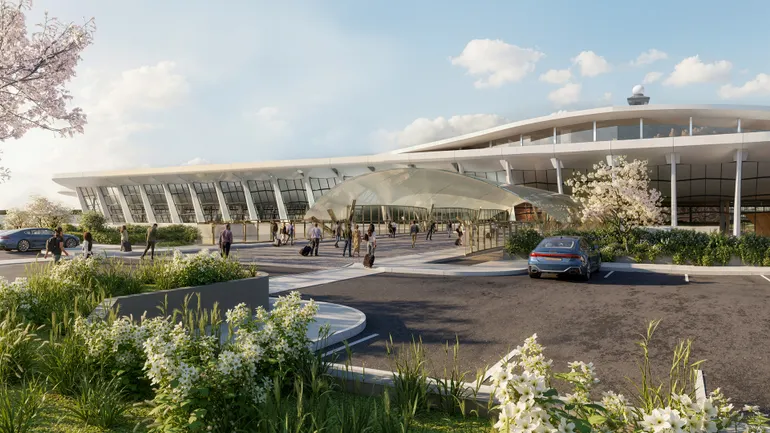
The Trump administration announced a $22.5 billion comprehensive renovation of Washington Dulles International Airport, planning to replace terminals, add gates, and replace the existing people mover system with a U-shaped train. The project is jointly overseen by the U.S. Department of Transportation, the airport authority, and United Airlines, with funding raised through municipal bonds and public-private partnership models, significantly expanding on the previous $7 billion modernization plan.
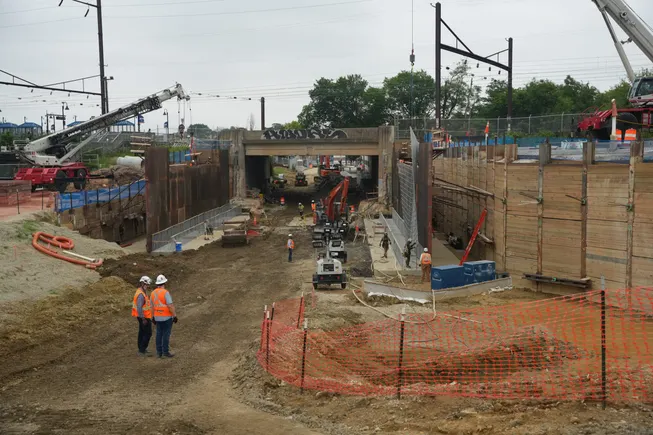
Amtrak announced progress on its $6 billion Baltimore and Potomac Tunnel replacement project while adjusting the project scope in response to construction market conditions. Adjustments include eliminating an intermediate ventilation facility and raising the track elevation at the tunnel's lowest point to reduce community impact and optimize costs. The project's main tunneling work is about to commence, with an expected opening in 2036.
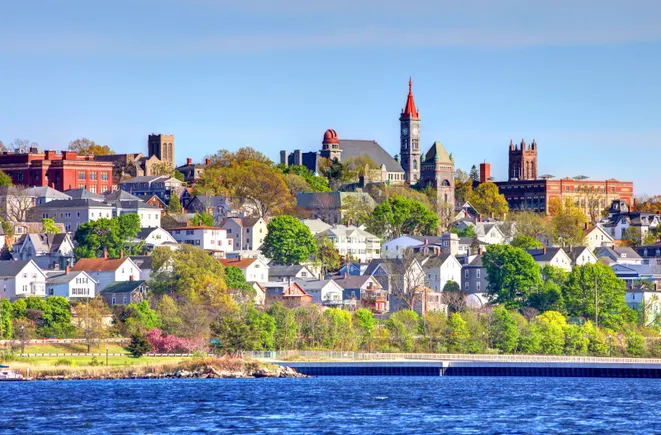
The Massachusetts Department of Transportation (MassDOT) issued a request for proposals on July 24, inviting developers to participate in the mixed-use development of a 20-acre waterfront parcel in Fall River. The project aims to utilize state-owned land freed up by the demolition of the former Route 79 elevated highway to create a transit-oriented community featuring up to 1,400 new residential units and mixed-use commercial areas, expected to attract $1 billion in private investment. Bids are due by October 21.
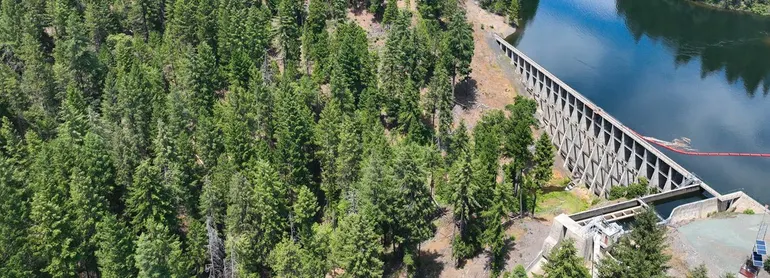
Granite Construction has been awarded a roughly $50 million contract to replace the spillway at Pacific Gas and Electric's Tiger Creek Regulator Dam in Amador County, California. The project, which began in May and is slated for completion in May 2028, aims to enhance dam safety, operational reliability, and regulatory compliance. Granite previously completed a $600,000 preconstruction contract for the facility in 2024.
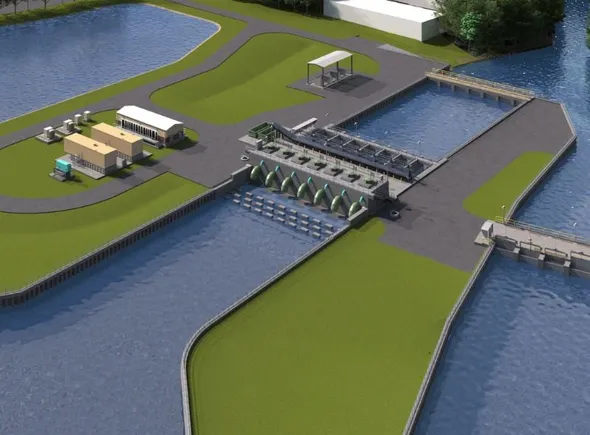
U.S. water projects experience notable growth in the first half of 2026, complementing the data center construction boom. Municipalities are actively preparing upgrades to address future water supply pressures and may gain support from a pending $30.5 billion water infrastructure bill. This article summarizes recent water projects and related developments across the nation.
FlatironDragados announced multiple executive appointments on July 20: Richard Grabinski as President of the US region, Dale Nelson as Chief Operating Officer, and new leadership in Canada. These moves aim to optimize the project portfolio, enhance delivery predictability, and continue the strategic adjustments following the 2024 merger.
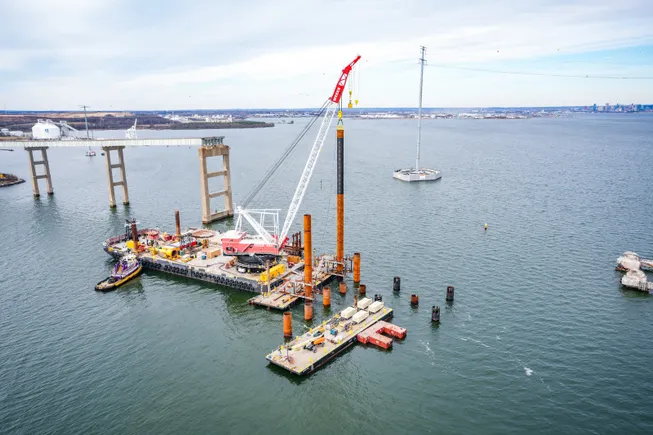
The Maryland Transportation Authority (MDTA) issued the Request for Qualifications (RFQ) for the construction of the main span and water approach spans of the Francis Scott Key Bridge on July 21, formally launching the two-step competitive selection process for design-build teams. This contract is the largest among the Key Bridge reconstruction projects, encompassing the cable-stayed main span, concrete bridge towers, vessel collision protection systems, and water approach spans on both the north and south sides. Interested firms must submit their Statements of Qualifications by August 19.
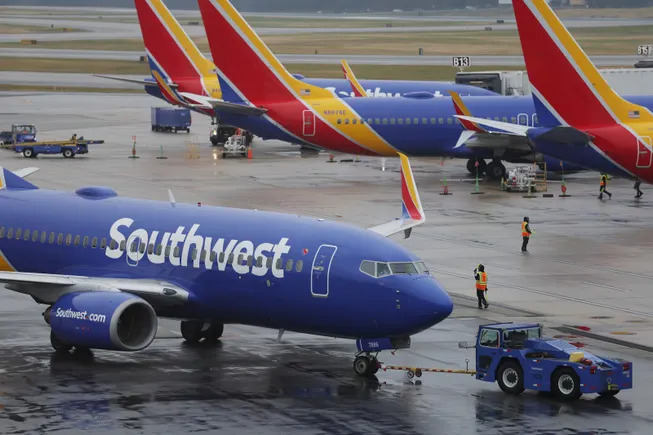
The Maryland Aviation Administration announced that a major rehabilitation of the longest commercial runway (10-28) at BWI Thurgood Marshall Airport will begin, undertaken by a joint venture of Allan Myers and P. Flanigan & Sons, with a contract value of $83.8 million. The work includes milling, paving, and LED lighting upgrades, during which the runway will be closed, and the other runway will only be temporarily closed at night.
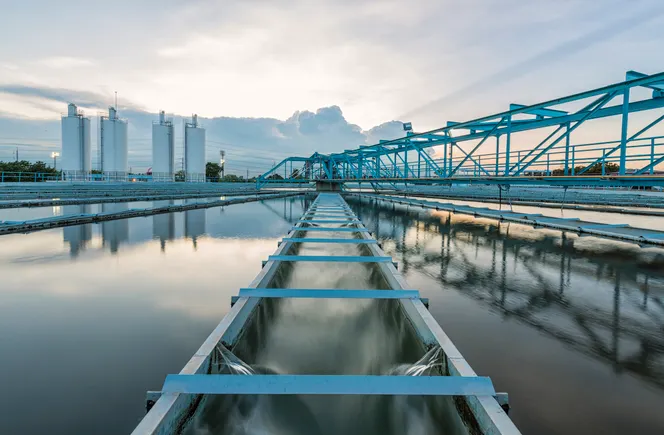
The U.S. House Committee on Transportation and Infrastructure unanimously passed the Water Resources Development Act of 2026 on Tuesday, which proposes to provide large-scale federal funding for local water projects, including over $30 billion combined for the Clean Water and Drinking Water State Revolving Funds, and authorizes 133 new feasibility studies. The bill aims to accelerate project approvals and strengthen cooperation between local entities and the U.S. Army Corps of Engineers, but faces challenges such as the impending expiration of infrastructure law funding.
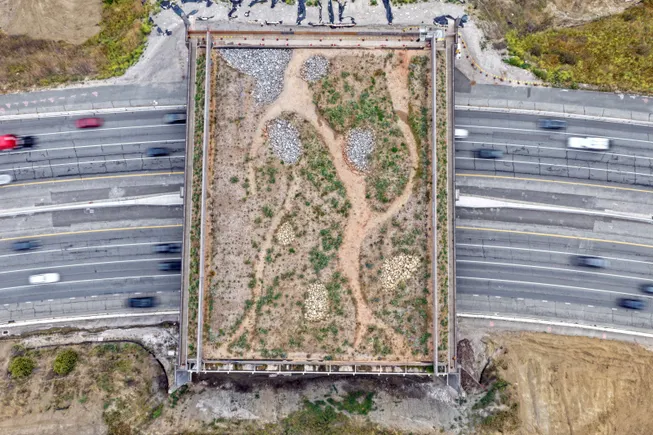
The U.S. $1.2 trillion Infrastructure Investment and Jobs Act is set to expire on September 30, and Congress must pass a new transportation authorization bill before then. Construction industry executives and economists say the act is crucial for public infrastructure projects, and if it is not renewed in time, projects may be delayed and jobs are at risk. Polls show 78% of voters support the new bill, but legislative time is tight.