


Economy
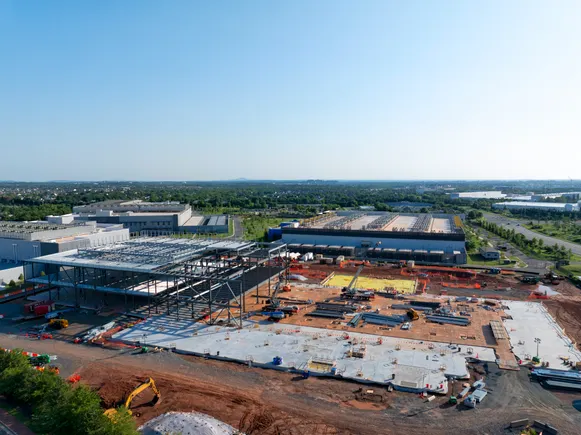
The construction cost index released by Turner Construction Company in New York showed a 5.2% year-over-year increase and a 1.4% quarter-over-quarter increase in Q2 2026. Despite fluctuations in monthly cost data, annual cost pressures remain significant, driven primarily by demand in high-end sectors such as data centers and semiconductors.

The Federal Reserve kept its federal funds rate target range unchanged at 3.5% to 3.75% at its July meeting, passing by a 9-to-3 vote. Three regional Fed presidents dissented, advocating for a 25-basis-point rate hike. Chair Kevin Warsh described the discussion as a "healthy debate" and emphasized that achieving price stability remains the core task.
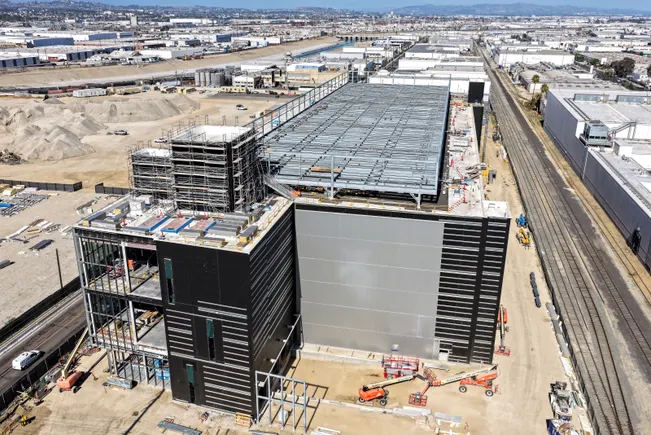
After several billion-dollar projects broke ground in May, U.S. construction activity slowed notably in June. Dodge Construction Network reported that total starts fell 19.9% month-over-month in June, with the annualized rate dropping to $1.42 trillion. Nonresidential building starts declined 9.1% month-over-month, with manufacturing plunging 62.9%; non-building projects (including infrastructure) fell 37.7% month-over-month. However, commercial building edged up 1.2% month-over-month, and total nonresidential starts in the first half still rose 6.2% cumulatively.

U.S. President Trump signed multiple proclamations on July 20, citing Section 338 of the Tariff Act of 1930, determining that Canada's trade practices in several key sectors constitute discrimination against the United States, and deciding to impose a 50% tariff on various imported goods from Canada starting August 19. The tariff applies to all relevant goods, regardless of whether they originate within the USMCA framework, but energy, potash, goods subject to Section 232 tariffs, as well as fish and critical minerals, are not included in the scope of the additional tariffs.
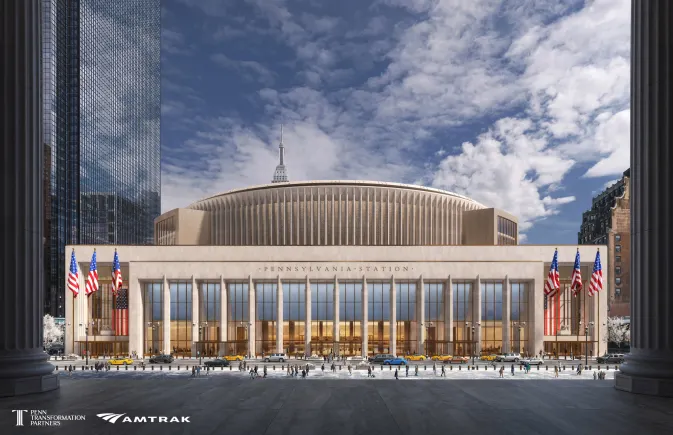
Skanska's Q2 orders rose 20% year-over-year to SEK 68 billion, a record. The US market contributed SEK 39.5 billion, with robust demand for data centers and infrastructure. The company said material price fluctuations and the impact of New York's data center ban are manageable, emphasizing the high quality of its order backlog.
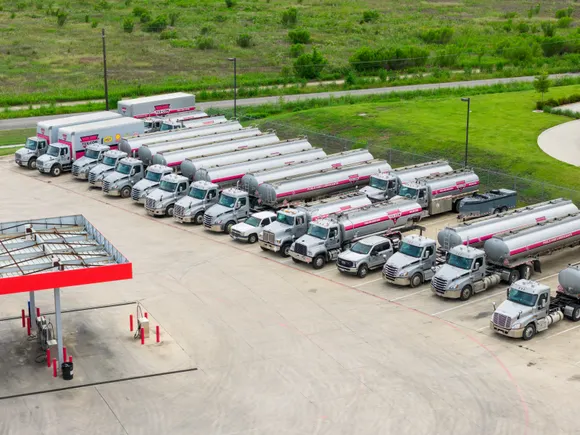
ABC data shows that construction input prices fell 1.1% month-on-month in June, mainly driven by lower oil prices, but the Iran conflict has pushed up oil prices and prices of tariffed goods such as steel and copper, and costs are expected to climb again in the coming months.

According to Dodge Construction Network data, the Dodge Momentum Index fell 1.9% month-over-month in June, primarily as data center planning retreated from recent highs, but commercial and institutional project planning improved overall, still up 21.8% year-over-year.
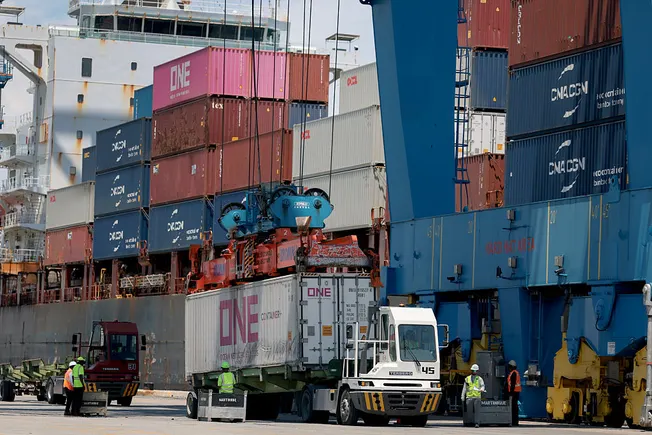
The Conference Board's Employment Trends Index for June declined for the second consecutive month, indicating that the U.S. labor market remains in a 'low hiring, low turnover' state. The proportion of consumers who believe jobs are 'hard to get' rose to its highest level since January 2021, and initial jobless claims reached their highest monthly average of the year. Despite the overall slowdown in employment growth, demand for AI-related technical roles remains strong.
Multiple indicators in the construction industry rebounded in May, but growth momentum was highly concentrated in data center construction, while other sectors remained weak.

According to U.S. Census Bureau data and industry association analysis, private nonresidential construction spending fell 0.3% month-over-month in May and 6.6% year-over-year, marking seven consecutive months of decline, mainly dragged down by reduced manufacturing-related spending. Public nonresidential project spending edged up 0.4% month-over-month and rose only 0.3% year-over-year. Data center construction remains the primary growth engine, but warehouse and office spending fell 8.5% and 11.9% year-over-year, respectively. Industry groups are urging Congress to quickly pass new highway and transportation legislation to sustain momentum in public infrastructure investment.